
Insect
Banana Cockroach
Panchlora niveaAlso known as Cuban Cockroach, Green Banana Cockroach
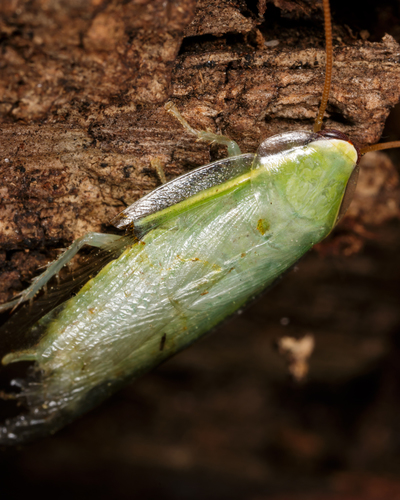
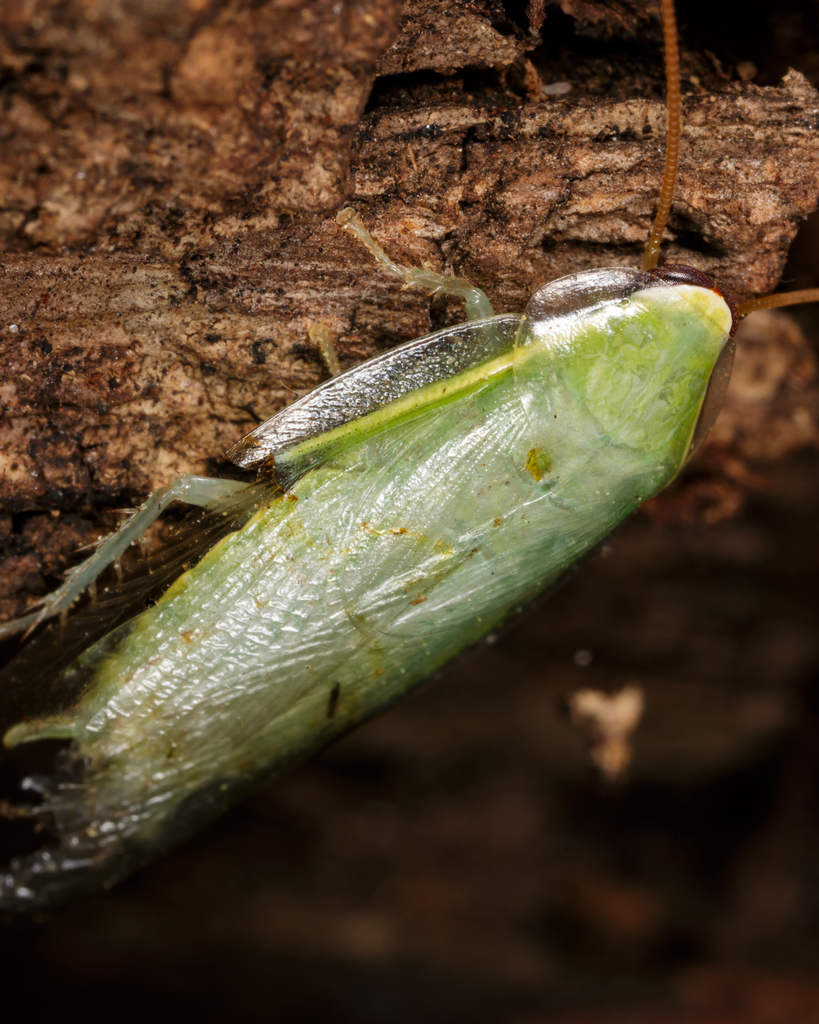
Banana cockroaches spend their days nestled beneath loose tree bark, in rotting logs, or tucked inside the folds of banana plants and palm fronds. Adults display an ethereal pale-green coloration that camouflages them against foliage, contrasting sharply with their brown, burrowing nymphs that feed on damp organic detritus. Strongly attracted to outdoor lights at night, these active fliers dwell exclusively outdoors and do not establish infestations inside human homes.
NocturnalArborealTropical
—observations
—countries
—peak records
Not EvaluatedConservation statusIUCN Red List categoriesLCNTVUENCREWEXNot Evaluated — not placed on the risk ladderRed List categories, explained →
Diet & preyDecaying bananas and soft fruits, Fungal growth, Decomposing plant matter
Predators
- Tree frogs
- Anoles and geckos
- Insectivorous birds
ThreatsFreezing winter temperatures, outdoor pesticide use, and habitat clearance
HabitatsSubtropical and tropical forests, citrus groves, gardens, and shrublands
Life span4–6 months (adults; up to 1 year including nymph stage)
Classification
- OrderBlattodea
- FamilyBlaberidae
- GenusPanchlora
- SpeciesPanchlora nivea
Range data is not available yet.
Interaction riskLow
- Low
- Moderate
- High
- Very high
- Why interaction risk is low
- Harmless to humans and safe to observe; this outdoor species does not infest indoor spaces.
Responsible observation
- Porch Light Watching: Inspect illuminated outdoor walls or screens on humid summer nights to spot visiting adults.
- Gentle Handling: Allow them to walk onto an open hand if desired, but expect them to take flight suddenly when startled.
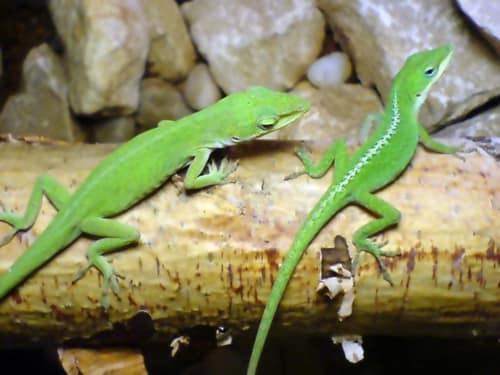
Predator (c) Robert Michniewicz (edited by Ark), some rights reserved (CC BY-SA) · cc-by-sa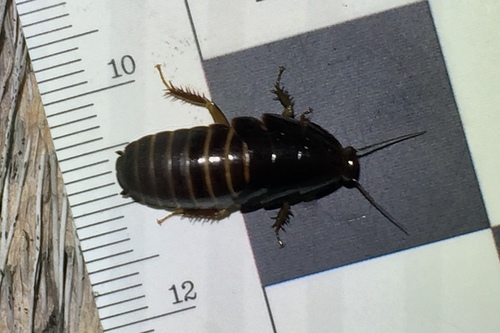
Family Relative (c) Sam Kieschnick, some rights reserved (CC BY), uploaded by Sam Kieschnick · cc-by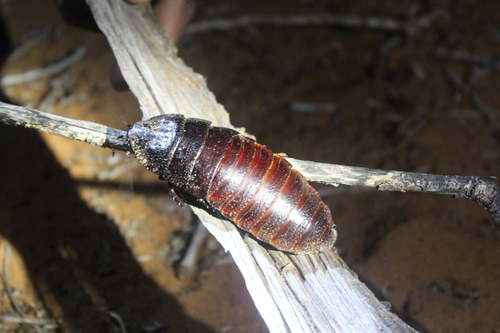
Family Relative (c) Michael A. Alcorn, some rights reserved (CC BY), uploaded by Michael A. Alcorn · cc-by
Help improve the field guideSomething wrong?
Checking your Fauna account…Report a name, category, or profile issue for review.