
Insect · GBIF taxon 1938456
Rocky Apollo Butterfly
Parnassius actiusAlso known as Scarce Red Apollo, Scarce Apollo
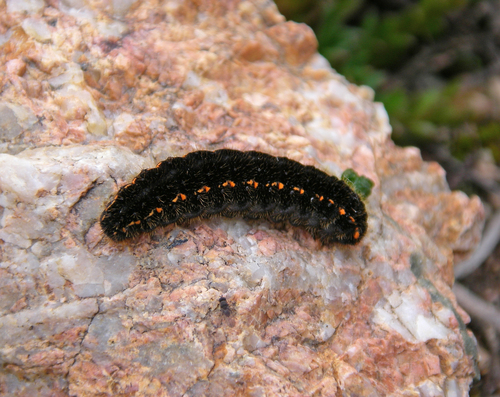
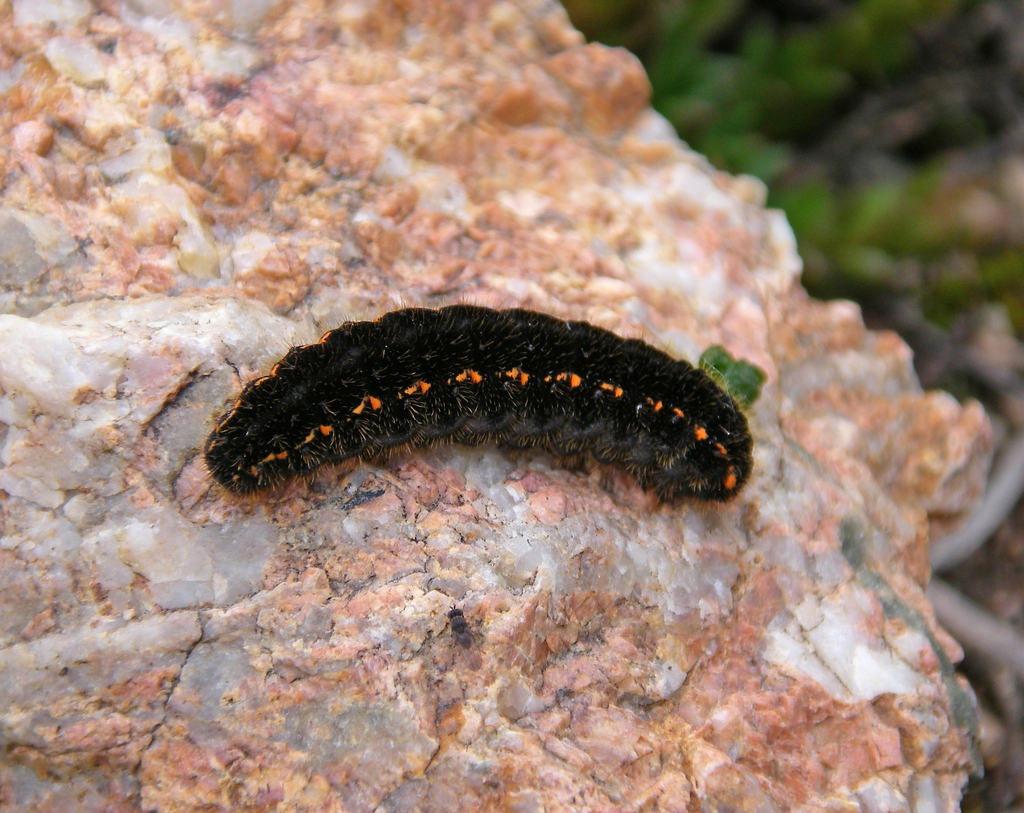
Rocky Apollo butterflies patrol sun-drenched scree slopes and alpine meadows across the high mountain ranges of Central Asia. Their translucent white wings are dusted with dark scales and studded with bright red spots framed in black, which trap solar radiation in chilly mountain breezes. Females deposit eggs near alpine stonecrops, where dark caterpillars bask on warm rocks between feeding sessions.
AlpineHigh AltitudeCold Adapted
—observations
—countries
—peak records
Least ConcernConservation statusIUCN Red List categoriesLCNTVUENCREWEXLeast ConcernRed List categories, explained →
Diet & prey
- Stonecrop nectar
- Wild thyme nectar
- Composite flower nectar
Predators
- Alpine birds
- Spiders
- Lizards
ThreatsClimate change and localized habitat degradation
HabitatsHigh-altitude scree, rocky ridges, alpine meadows
Life span1–2 weeks as adult; 1 year full life cycle
Size / weightNot available
Classification
- FamilyPapilionidae
- SpeciesParnassius actius
Range data is not available yet.
Interaction riskLow
- Low
- Moderate
- High
- Very high
- Why interaction risk is low
- Safe to observe at a normal distance.
- What to notice
- Look for translucent white wings with dark dusting and crimson spots ringed in black on high mountain slopes.
- Support conservation
- Observe from a respectful distance without stepping on fragile alpine scree flora.
Responsible observation
- Look Near Scree: Adults fly low over sunny scree slopes and rocky ridges searching for host plants.
- Observe in Sunlight: Butterflies become active on warm, sunny mornings when sunbathing warms wing muscles.
- Protect Alpine Flora: Keep to established trails to protect fragile high-elevation plants from trampling.
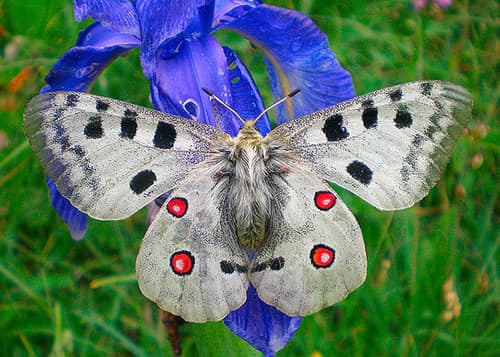
Close Relative Hinox / CC BY-SA 3.0 · cc-by-sa Image unavailable
Close Relative Close Relative
Help improve the field guideSomething wrong?
Checking your Fauna account…Report a name, category, or profile issue for review.