
Insect · GBIF taxon 1937739
Canadian Tiger Swallowtail
Papilio canadensisAlso known as Northern Tiger Swallowtail
Canadian tiger swallowtails sweep through northern forests and sunny glades each spring in a single annual generation. Females lay green eggs on the leaves of birches, aspens, and wild cherries, where plump green caterpillars later construct silken resting pads on foliage. Males frequently gather in mud-puddling groups along riverbanks and dirt roads, absorbing essential mineral salts from wet soil.
PollinatorColorfulDiurnal
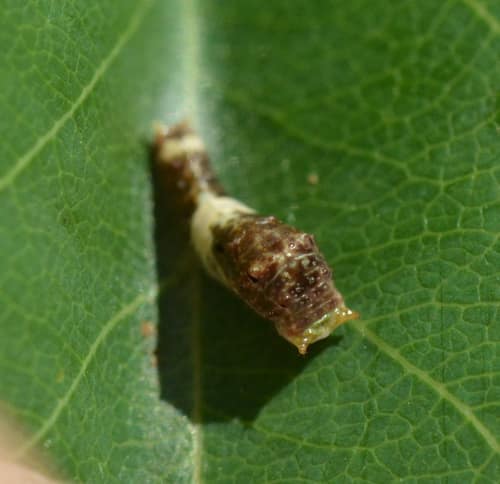
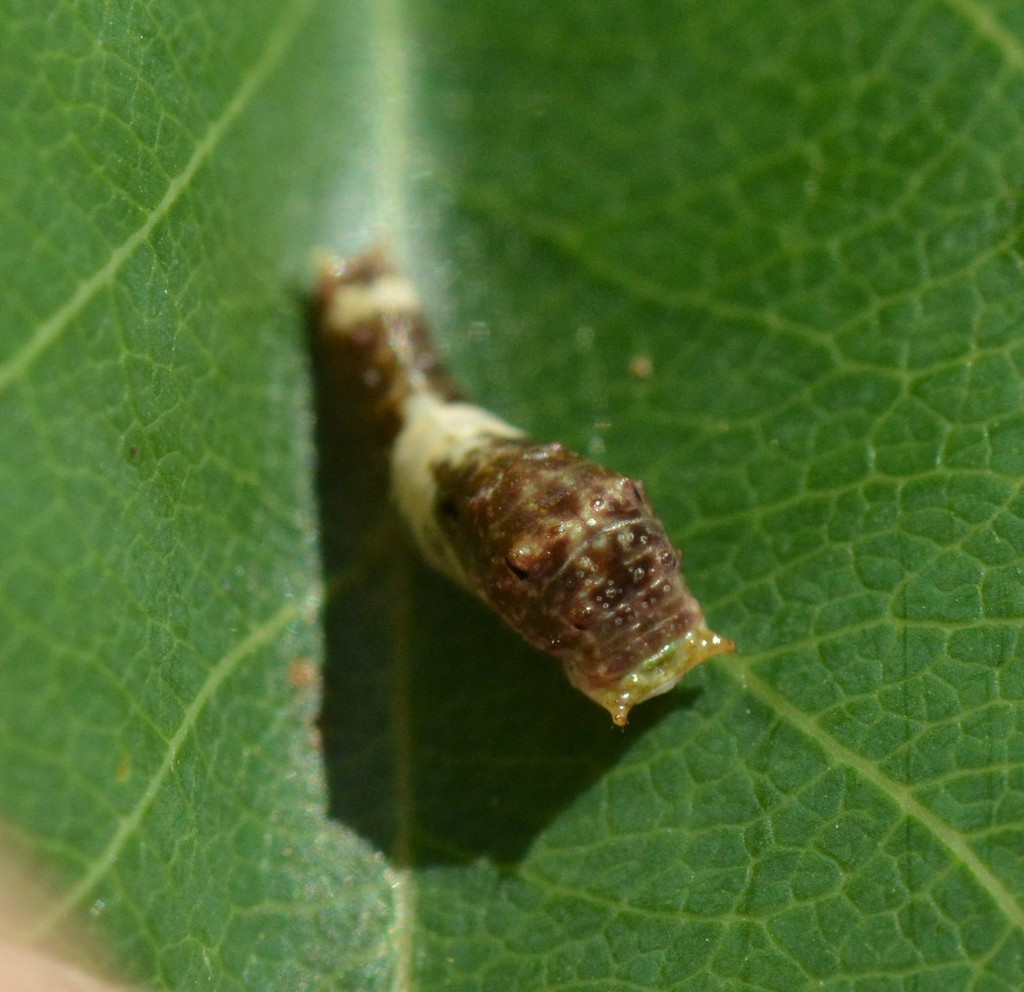 1 / 7
1 / 7—observations
—countries
—peak records
Least ConcernConservation statusIUCN Red List categoriesLCNTVUENCREWEXLeast ConcernRed List categories, explained →
Diet & prey
- Birch Leaves
- Aspen Leaves
- Flower Nectar
Predators
- Songbirds
- Spiders
- Parasitoid Wasps
ThreatsPesticide spraying, habitat fragmentation, and extreme late-spring freezes
HabitatsBoreal and northern hardwood forests, river valleys, and forest clearings
Life span1–2 weeks as adult; 1 year total life cycle
Size / weightNot available
Classification
- OrderLepidoptera
- FamilyPapilionidae
- GenusPapilio
- SpeciesPapilio canadensis
Range data is not available yet.
Interaction riskLow
- Low
- Moderate
- High
- Very high
- Why interaction risk is low
- Safe to observe at a normal distance.
Responsible observation
- Look near wet mud: Males assemble along damp riverbanks to sip mineral-rich fluids.
- Inspect host trees: Search birch and aspen leaves for caterpillars resting on silk pads.
- Plant nectar flowers: Garden blooms like lilacs and blackberries frequently attract spring adults.
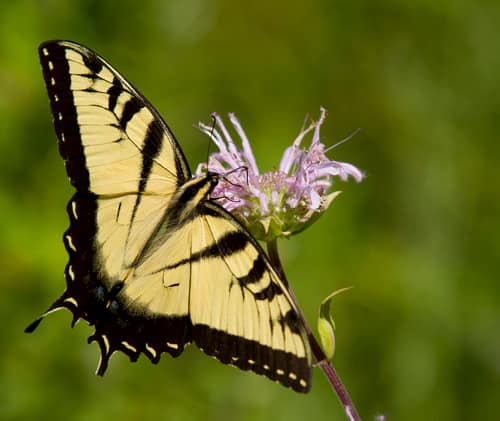
Close Relative "Eastern Tiger Swallowtail" by ShenandoahNPS is marked with Public Domain Mark 1.0. To view the terms, visit https://creativecommons.org/publicdomain/mark/1.0/. · cc0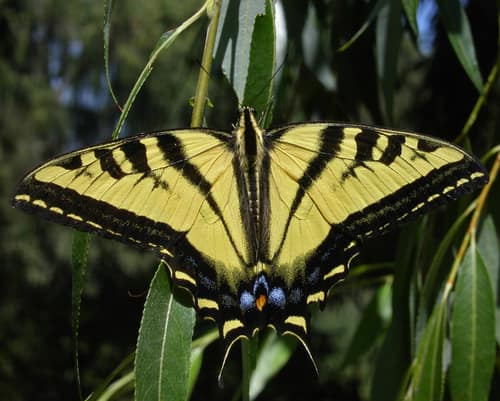
Close Relative Calibas at en.wikipedia / Public domain · cc0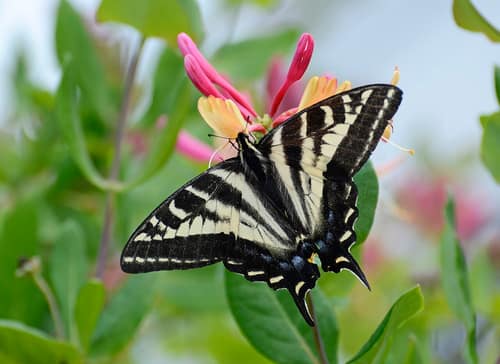
Close Relative VJAnderson / CC BY-SA 4.0 · cc-by-sa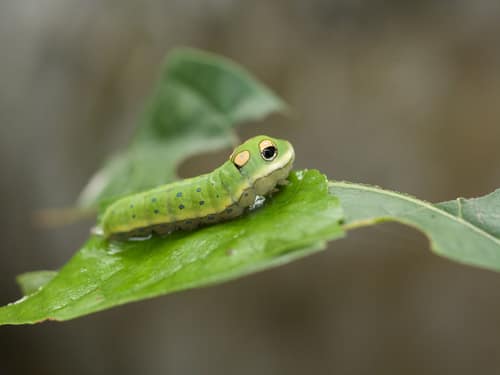
Close Relative "spicebush swallowtail caterpillar" by USFWS Headquarters is licensed under CC BY 2.0. To view a copy of this license, visit https://creativecommons.org/licenses/by/2.0/. · cc-by
Keep collecting in Fauna
Found in Collections
Ecosystem chain Pro
Mystic Meadows
Canadian Tiger Swallowtail is found in this collection. Identify it in Fauna to fill this slot and continue your progress.
Unlock to track progress
Help improve the field guideSomething wrong?
Checking your Fauna account…Report a name, category, or profile issue for review.