
Insect · GBIF taxon 1937712
Orchard Butterfly
Papilio aegeusAlso known as Orchard Swallowtail Butterfly, Large Citrus Butterfly
Orchard butterflies are among the largest butterflies in eastern Australia, featuring dramatic sexual dimorphism where females display prominent red and white crescent markings. Early stage caterpillars resemble bird droppings to deter predators before transforming into plump green larvae equipped with a foul smelling red organ called an osmeterium. Adults flutter lazily through suburban gardens, citrus orchards, and coastal rainforest margins in search of nectar rich flowers.
PollinatorSwallowtailColorful
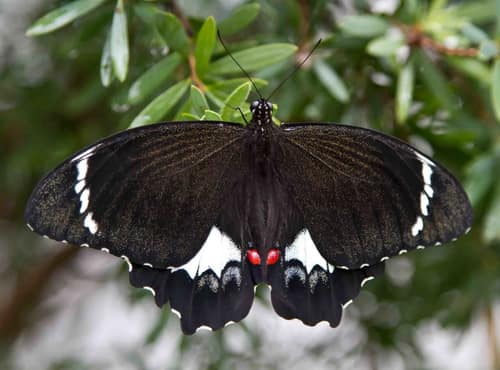
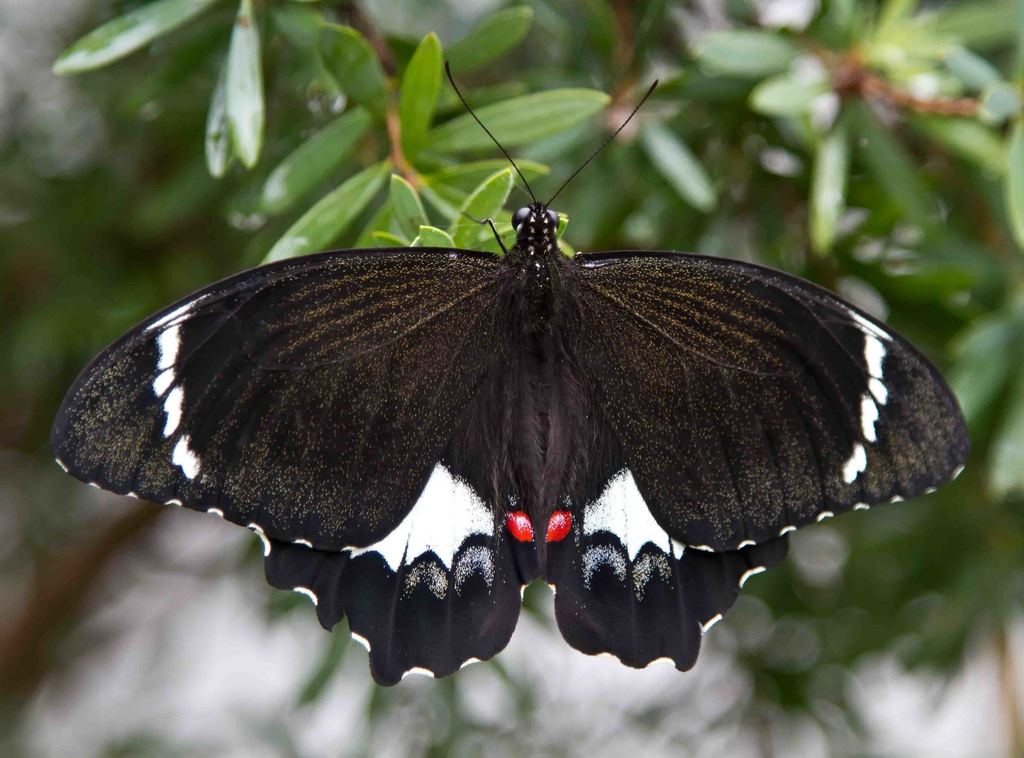
—observations
—countries
—peak records
Not EvaluatedConservation statusIUCN Red List categoriesLCNTVUENCREWEXNot Evaluated — not placed on the risk ladderRed List categories, explained →
Diet & prey
- Flower Nectar
- Citrus Leaves (Caterpillar)
- Native Lime Leaves (Caterpillar)
Predators
- Birds
- Praying Mantises
- Orb-weaver Spiders
ThreatsAgricultural pesticide use, habitat clearing in coastal regions
HabitatsSubtropical rainforests, coastal scrubs, suburban gardens, citrus orchards
Life span3–6 weeks as adult; 2–3 months total life cycle
Size / weightNot available
Classification
- FamilyPapilionidae
- SpeciesPapilio aegeus
Range data is not available yet.
Interaction riskLow
- Low
- Moderate
- High
- Very high
- Why interaction risk is low
- Safe to observe at a normal distance.
Responsible observation
- Plant Host Trees: Grow native citrus or domestic fruit trees to attract egg-laying females to your garden.
- Provide Nectar Sources: Maintain flowering plants like lantana, buddleja, or Ixora to supply adult energy.
- Look for Caterpillars: Search young citrus shoots for dark, bird-dropping-mimicking early instar larvae.
 Image unavailable
Close Relative 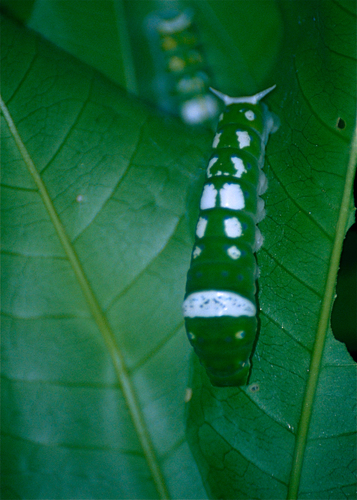
Close Relative (c) Bernard DUPONT, some rights reserved (CC BY-SA) · cc-by-sa
Help improve the field guideSomething wrong?
Checking your Fauna account…Report a name, category, or profile issue for review.