
Insect · GBIF taxon 1937642
Pale Swallowtail
Papilio eurymedonAlso known as Pallid Swallowtail
Pale swallowtails glide through mountain canyons and sunlit forest edges, easily recognized by their creamy ivory background accented by bold black stripes. Males regularly gather along muddy stream banks in lively puddling groups to sip mineral-rich moisture needed for mating. Caterpillars feed on wild lilac, chokecherry, and alder before forming a chrysalis that overwinters attached to branches.
DiurnalPollinatorForest Edge
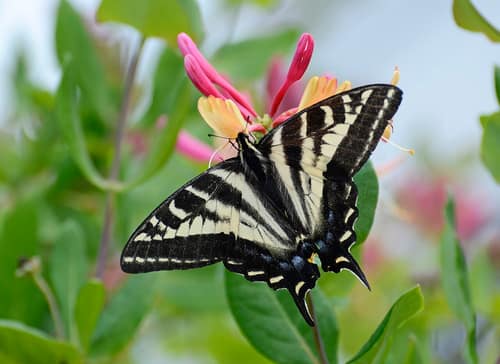
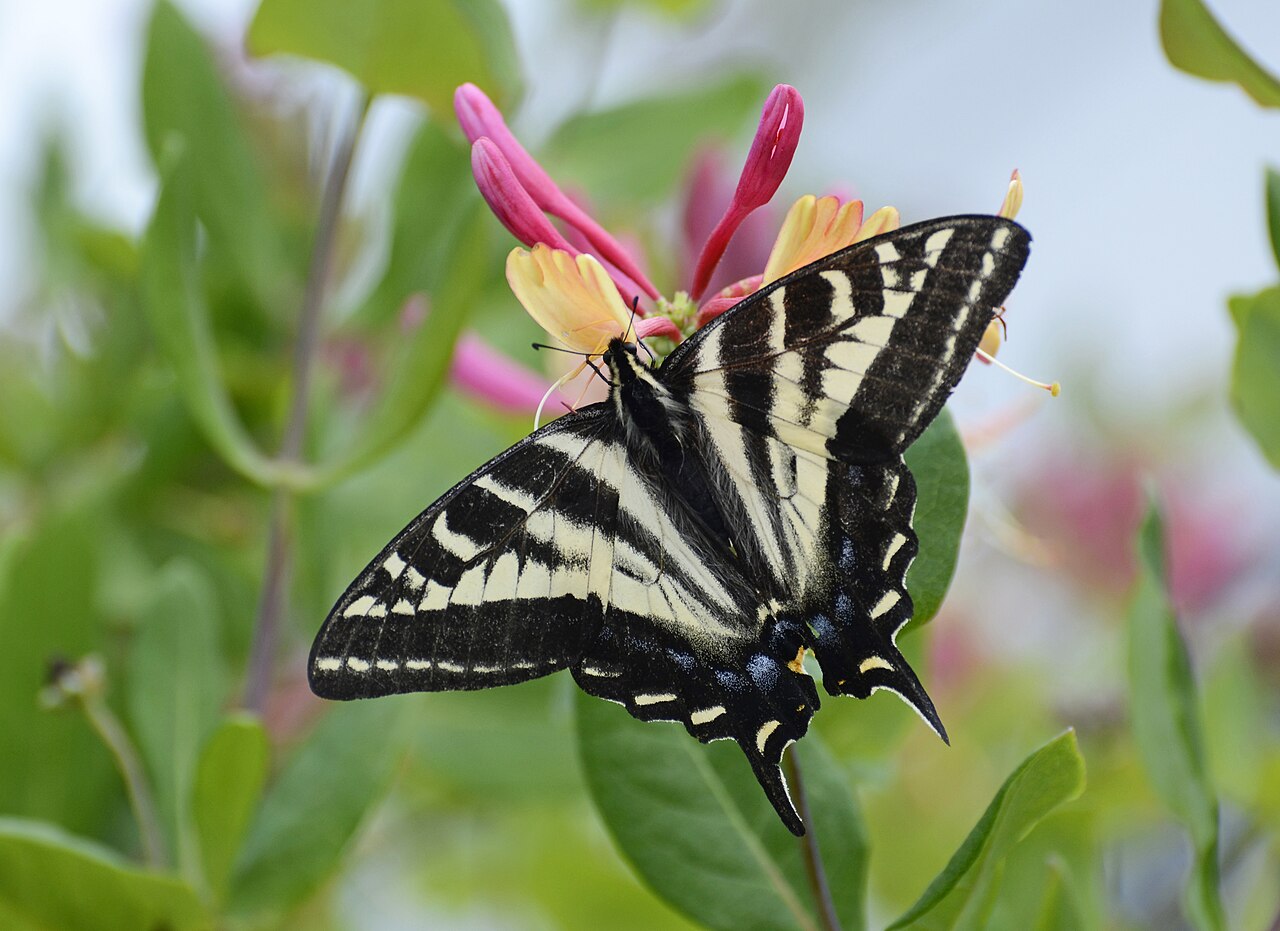
—observations
—countries
—peak records
Not EvaluatedConservation statusIUCN Red List categoriesLCNTVUENCREWEXNot Evaluated — not placed on the risk ladderRed List categories, explained →
Diet & prey
- Nectar from Yerba Santa
- Nectar from Milkweed
- Damp Soil Minerals
Predators
- Songbirds
- Orb-weaver Spiders
- Preying Mantises
ThreatsPesticide spraying, habitat degradation, extreme wildfire events
HabitatsOpen woodlands, mountain canyons, forest clearings, riparian corridors, suburban parks
Life span1–2 weeks as adult; up to 1 year for full life cycle
Size / weightNot available
Classification
- FamilyPapilionidae
- SpeciesPapilio eurymedon
Range data is not available yet.
Interaction riskLow
- Low
- Moderate
- High
- Very high
- Why interaction risk is low
- Safe to observe at a normal distance.
Responsible observation
- Look Near Water: Check muddy trails and wet creek margins on warm afternoons to catch males puddling.
- Plant Native Shrubs: Grow Ceanothus or wild plum species to attract egg-laying females to backyard habitats.
- Approach Slowly: Move calmly around flowers to photograph adults without startling them into flight.
 Image unavailable
Host Plant 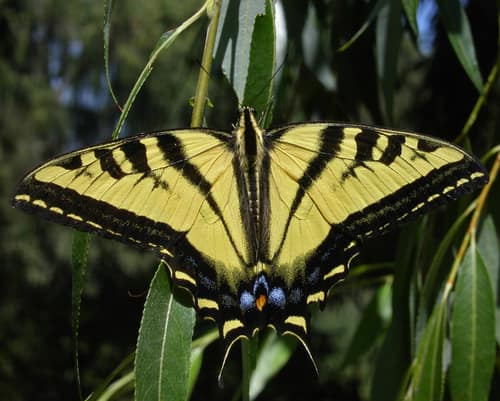
Close Relative Calibas at en.wikipedia / Public domain · cc0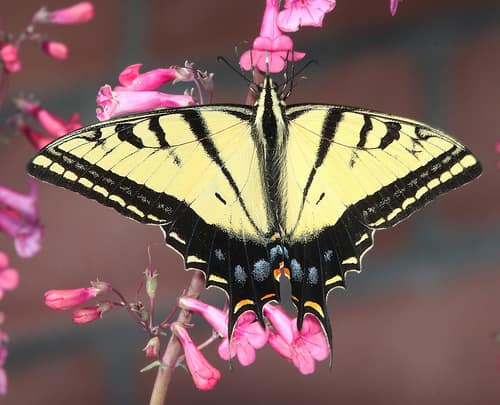
Close Relative ALAN SCHMIERER / CC0 · cc0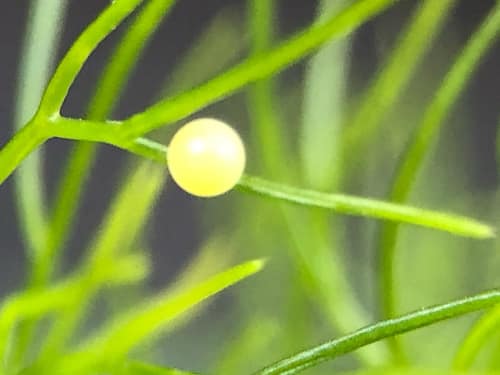
Sympatric Relative (c) Hydrocycler (Elizabeth Dougherty), some rights reserved (CC BY), uploaded by Hydrocycler (Elizabeth Dougherty) · cc-by
Help improve the field guideSomething wrong?
Checking your Fauna account…Report a name, category, or profile issue for review.