
Insect
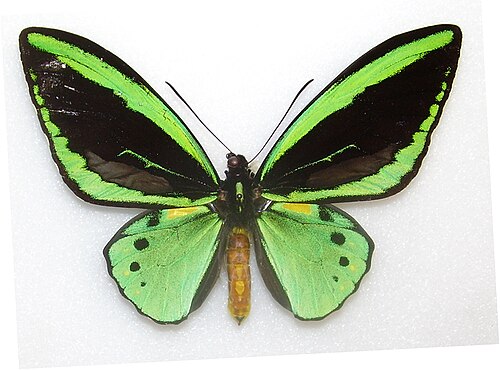
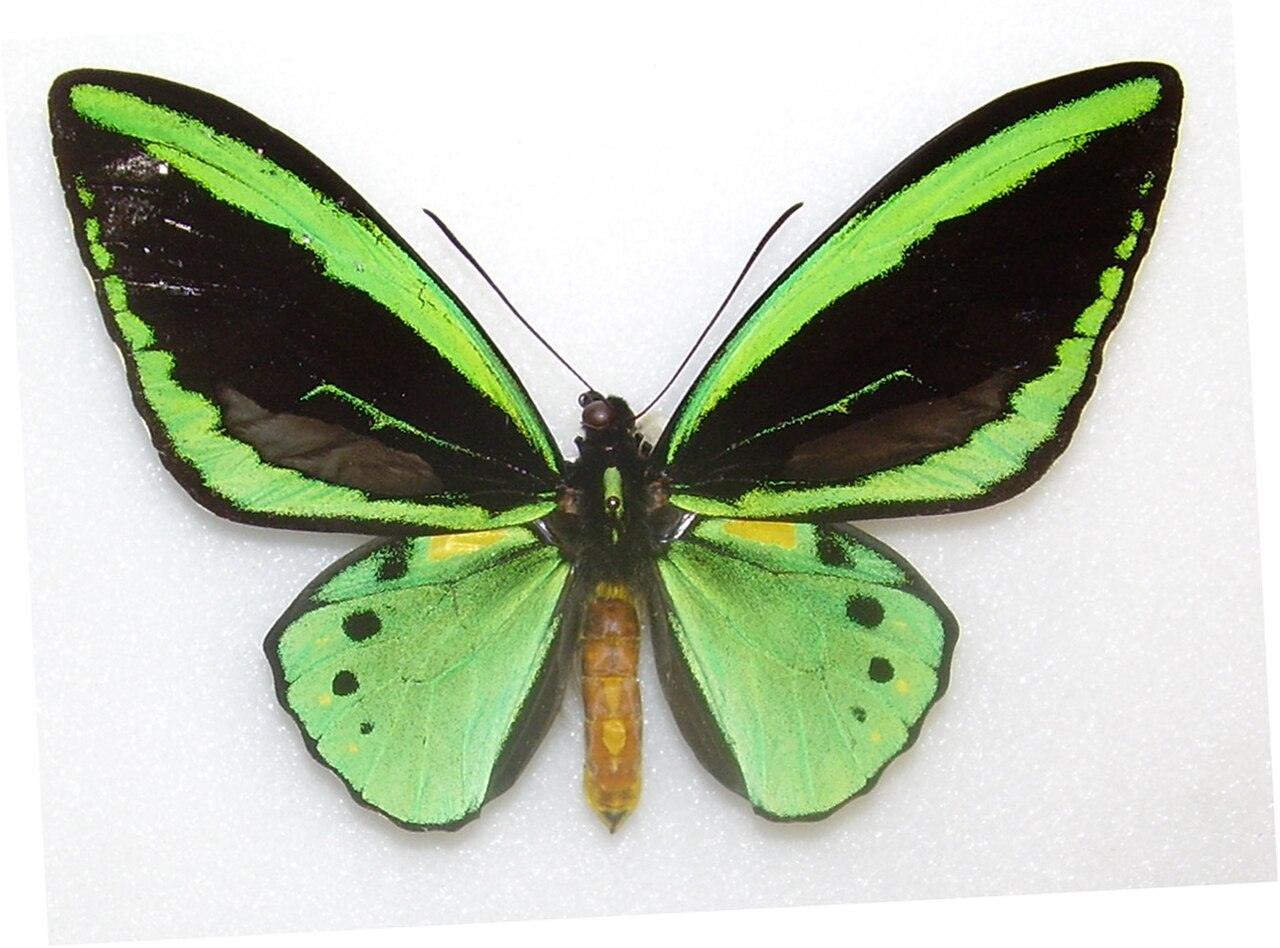
Ornithoptera priamus
Ornithoptera priamusAlso known as Cape York Birdwing, Priam's Birdwing, Northern Birdwing, New Guinea Birdwing
Common green birdwings exhibit striking sexual dimorphism, with smaller males flashing vibrant iridescent emerald-green and velvety black forewings, while the much larger females display muted patterns of brown, grey, and cream. Adults spend much of their time gliding gracefully through the high tropical canopy, descending during the early morning hours to feed on nectar-rich blossoms. Caterpillars sequester aristolochic acids from their pipevine host plants, rendering both larvae and adults foul-tasting and unpalatable to potential predators.
DiurnalRainforestPollinator
—observations
—countries
—peak records
Least ConcernConservation statusIUCN Red List categoriesLCNTVUENCREWEXLeast ConcernRed List categories, explained →
Diet & preyHibiscus nectar, Lantana nectar, Ixora nectar
Predators
- Tree frogs
- Orb-weaver spiders
- Insectivorous birds
ThreatsRainforest clearance, habitat fragmentation, and localized overcollection
HabitatsTropical rainforests, vine thickets, and forested river margins
Life span1–3 months (as adult butterfly)
Classification
- FamilyPapilionidae
- SpeciesOrnithoptera priamus
Range data is not available yet.
Interaction riskLow
- Low
- Moderate
- High
- Very high
- Why interaction risk is low
- Safe to observe at a normal distance.
Responsible observation
- Morning Watching: Look for adults descending to feed at nectar flowers just after dawn when temperatures are still cool.
- Canopy Binoculars: Carry compact binoculars to spot males patrolling territories high in the rainforest canopy.
- Host Vine Detection: Scan patches of wild Aristolochia vines along sunlit forest edges to locate eggs and spiky larvae.
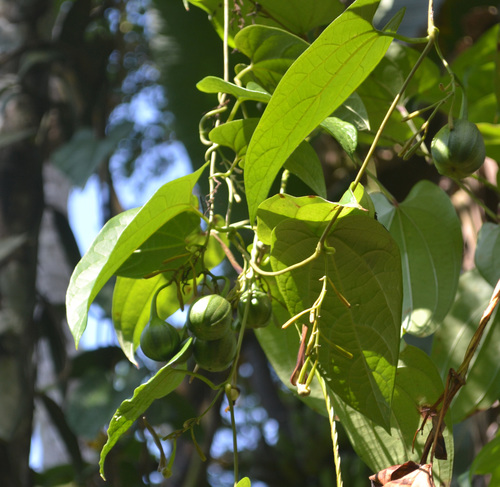
Host Plant (c) Vinayaraj, some rights reserved (CC BY-SA) · cc-by-sa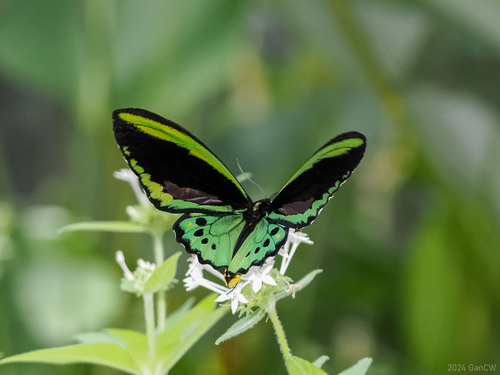
Close Relative (c) Cheongweei Gan, some rights reserved (CC BY), uploaded by Cheongweei Gan · cc-by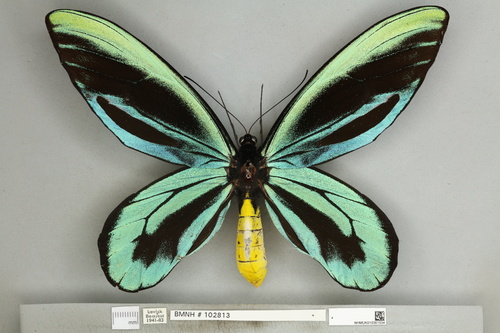
Close Relative (c) Peter_Wing, some rights reserved (CC BY) · cc-by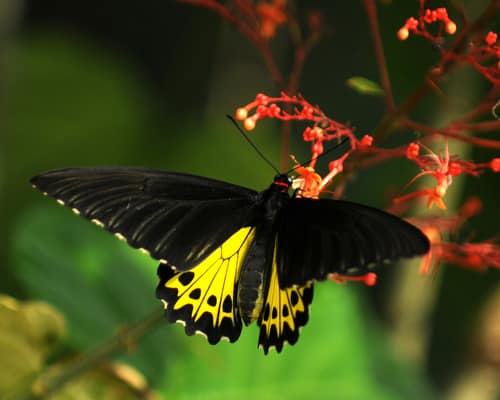
Same Family (c) Roger Rittmaster, some rights reserved (CC BY), uploaded by Roger Rittmaster · cc-by
Help improve the field guideSomething wrong?
Checking your Fauna account…Report a name, category, or profile issue for review.