
Insect
Common Birdwing
Troides helenaAlso known as Helena Birdwing, Common Birdwing Butterfly
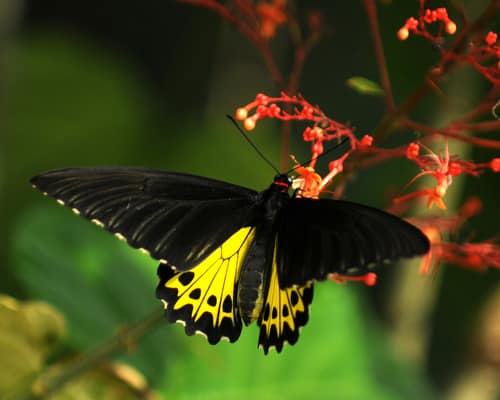
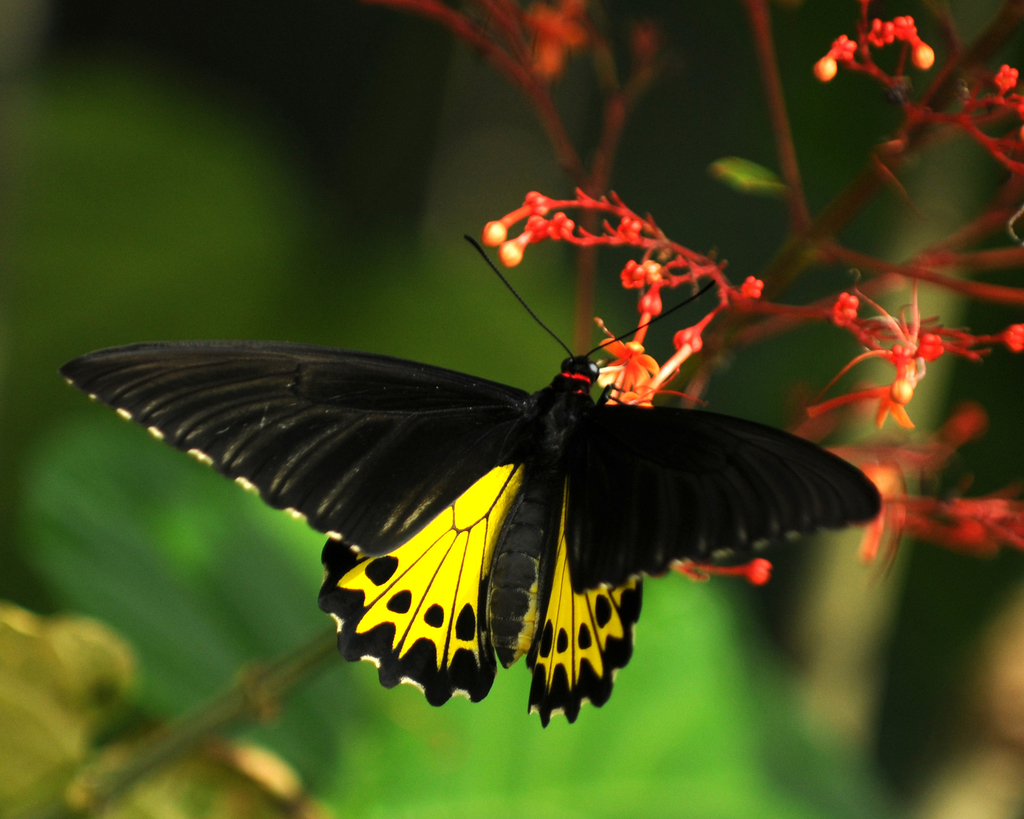
Gliding through tropical forest canopies with slow, birdlike wingbeats, these majestic swallowtails rank among the largest insects in Southeast Asia. Caterpillars sequester aristolochic acids from pipevine foliage, rendering both the larvae and the striking adults unpalatable to insectivorous predators. Males actively patrol sunny clearings and riparian corridors, flashing brilliant golden-yellow hindwings to establish territory and attract mates.
Canopy GliderTropicalPollinator
—observations
—countries
—peak records
Least ConcernConservation statusIUCN Red List categoriesLCNTVUENCREWEXLeast ConcernRed List categories, explained →
Diet & preyFlower Nectar, Mineral Seeps
Predators
- Orb-weaver Spiders
- Praying Mantises
- Insectivorous Birds
ThreatsRainforest deforestation, habitat fragmentation, and commercial poaching for insect specimen trade
HabitatsLowland rainforests, primary and secondary evergreen forests, and rural gardens
Life span1 to 4 months (adult)
Classification
- FamilyPapilionidae
- SpeciesTroides helena
Range data is not available yet.
Interaction riskLow
- Low
- Moderate
- High
- Very high
- Why interaction risk is low
- Safe to observe at a normal distance.
- What to notice
- Recognized by velvety black forewings contrasting with vivid golden-yellow hindwings ringed with black marginal spots.
- Support conservation
- Never net or collect wild specimens; observe and photograph gently without disrupting feeding or egg-laying.
Responsible observation
- Canopy Scanning: Look upward toward sunlit tree crowns or high flowering vines during warm mornings when adults cruise above the tree line.
- Garden Borders: Check nectar-rich shrubs like Lantana, Hibiscus, and Ixora where females descend to drink and inspect host vines.
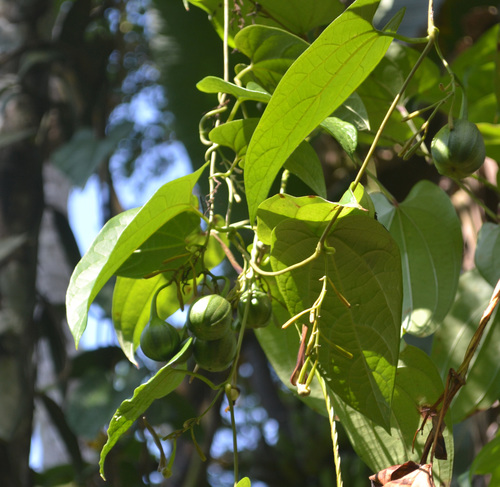
Host Plant (c) Vinayaraj, some rights reserved (CC BY-SA) · cc-by-sa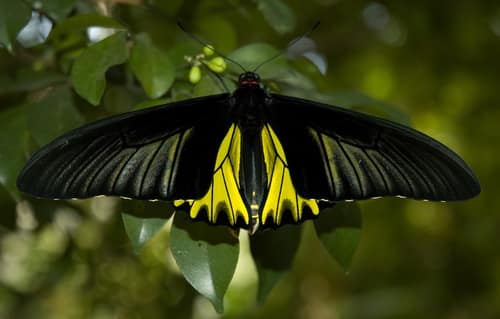
Close Relative (c) Steve, some rights reserved (CC BY-SA) · cc-by-sa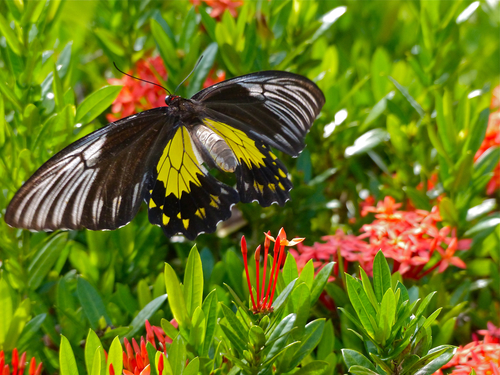
Close Relative (c) Bernard DUPONT, some rights reserved (CC BY-SA) · cc-by-sa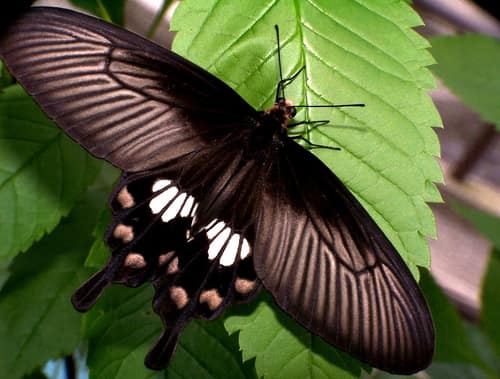
Same Family (c) Charles Lam, some rights reserved (CC BY-SA) · cc-by-sa
Help improve the field guideSomething wrong?
Checking your Fauna account…Report a name, category, or profile issue for review.