
Insect
Common Birdwing
Troides darsiusAlso known as Sri Lankan Birdwing, Ceylon Birdwing
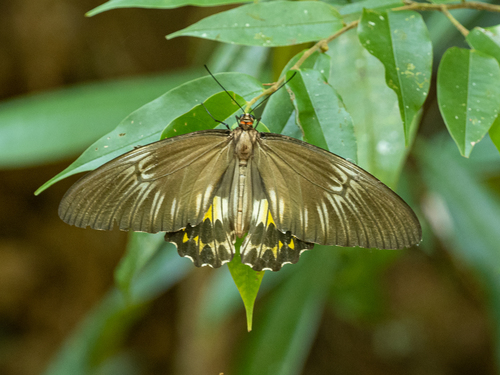
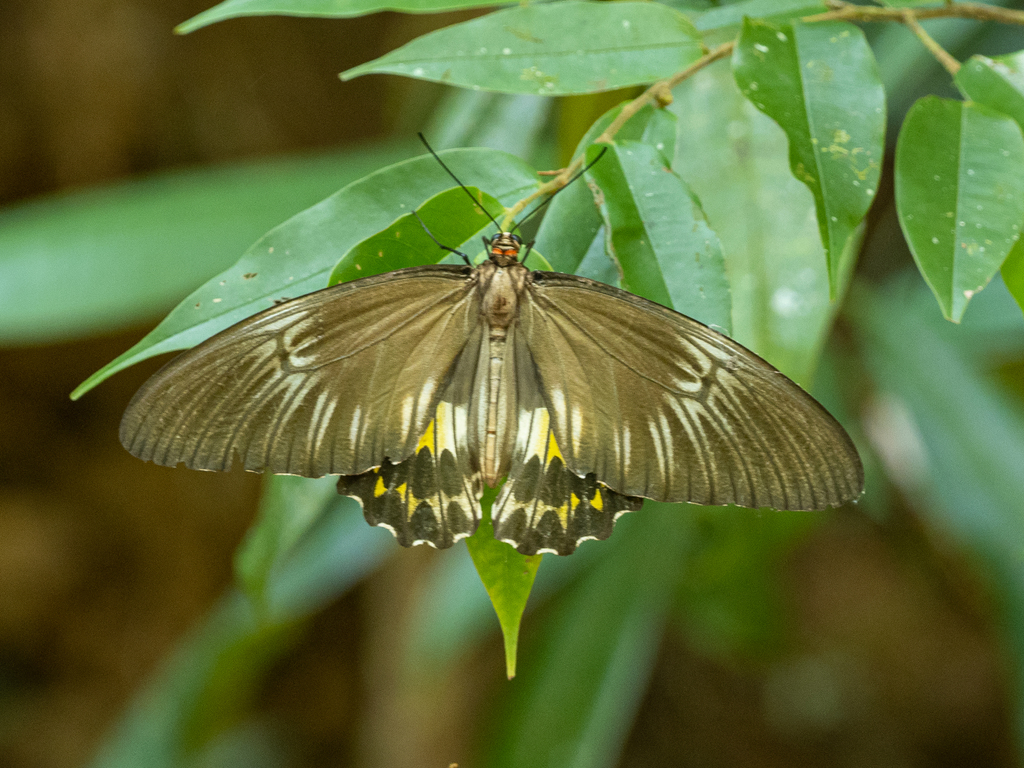
Sri Lanka's national butterfly sails gracefully through the tropical canopy on broad, velvety black wings trimmed with brilliant golden yellow. Caterpillars sequester toxic aristolochic acids from host vines, rendering both larvae and adults unpalatable to birds. Males actively defend high canopy territories during peak morning flying hours, descending to garden flowers like Hibiscus and Lantana to feed on nectar.
EndemicLargeTropical
—observations
—countries
—peak records
Least ConcernConservation statusIUCN Red List categoriesLCNTVUENCREWEXLeast ConcernRed List categories, explained →
Diet & preyNectar, Aristolochia Leaves
Predators
- Birds
- Lizards
- Spiders
ThreatsForest clearance, agricultural pesticide spraying, overcollection
HabitatsRainforests, secondary woodlands, coastal scrub, and rural gardens
Life span3–6 weeks as adult; 2–3 months total
Classification
- FamilyPapilionidae
- SpeciesTroides darsius
Range data is not available yet.
Interaction riskLow
- Low
- Moderate
- High
- Very high
- Why interaction risk is low
- Safe to observe at a normal distance.
- What to notice
- Recognized by its massive size, velvety black forewings, and brilliant golden-yellow hindwings.
- Support conservation
- Enjoy observations from a respectful distance without attempting to capture or disrupt roosting adults.
Responsible observation
- Morning Viewing: Look for adults soaring through sunlit canopy clearings and feeding on nectar plants during calm morning hours.
- Garden Landscaping: Plant native Dutchman's pipe vines to provide essential food for foraging caterpillars in Sri Lankan yards.
- Respecting Habitat: Avoid disturbing roosting foliage in forest understories where butterflies rest overnight.
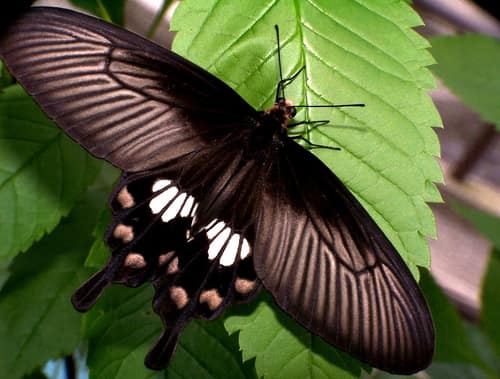
Host Plant Competitor (c) Charles Lam, some rights reserved (CC BY-SA) · cc-by-sa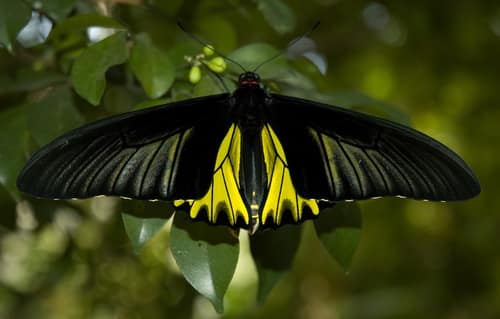
Genus Member (c) Steve, some rights reserved (CC BY-SA) · cc-by-sa Image unavailable
Co-occurring Swallowtail 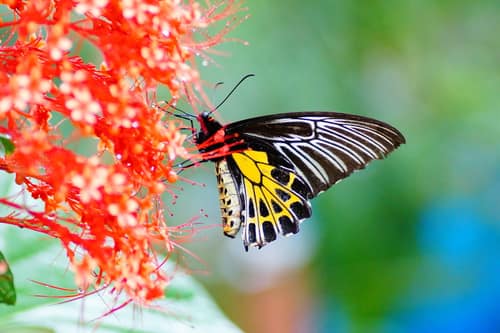
Close Relative (c) Vengolis, some rights reserved (CC BY-SA) · cc-by-sa
Help improve the field guideSomething wrong?
Checking your Fauna account…Report a name, category, or profile issue for review.