
Insect
Indian Sunbeam
Curetis thetisIndian sunbeams are swift, low-flying butterflies renowned for their striking sexual dimorphism, featuring brilliant coppery red uppersides in males and velvety brown wings with bold white patches in females. When perched with closed wings, both sexes display gleaming silvery white undersides that reflect sunlight and vanish against foliage. Caterpillars feed primarily on legumes and possess extraordinary cylindrical tentacular organs on their eighth abdominal segment that shoot out and whirl bristly rosettes to deter predators when disturbed.
Fast-flyingDimorphicSun-loving
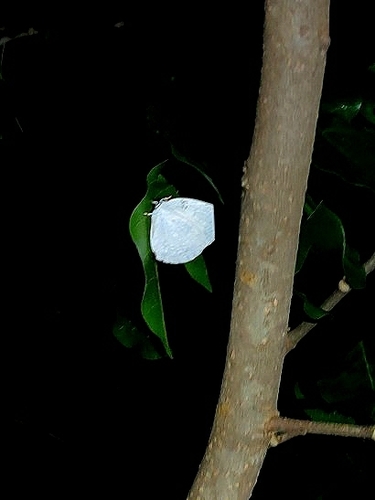
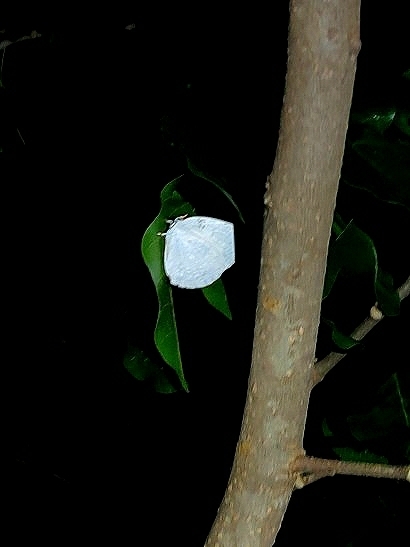
—observations
—countries
—peak records
Least ConcernConservation statusIUCN Red List categoriesLCNTVUENCREWEXLeast ConcernRed List categories, explained →
Diet & preyPongamia leaves, Derris leaves, Flower nectar
Predators
- Spiders
- Mantises
- Insectivorous birds
ThreatsHabitat clearance, heavy pesticide application, and destruction of larval host trees.
HabitatsDeciduous forests, scrub jungles, riparian corridors, gardens, and forest edges.
Life span3–6 weeks as adult butterfly
Classification
- FamilyLycaenidae
- SpeciesCuretis thetis
Range data is not available yet.
Interaction riskLow
- Low
- Moderate
- High
- Very high
- Why interaction risk is low
- Safe to observe at a normal distance.
Responsible observation
- Look for mud-puddling: Scan damp patches of river sand in early morning where males gather to absorb dissolved salts.
- Watch the undersides: Search the edges of Pongamia trees on sunny days to spot their bright silvery underwings reflecting light.
- Approach slowly: Move your camera smoothly without casting shadows, as their flight response is instantaneous.
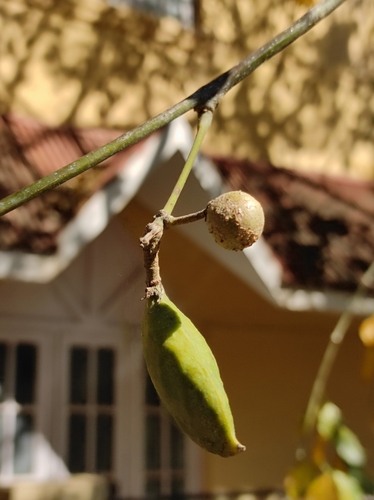
Host Plant no rights reserved · cc0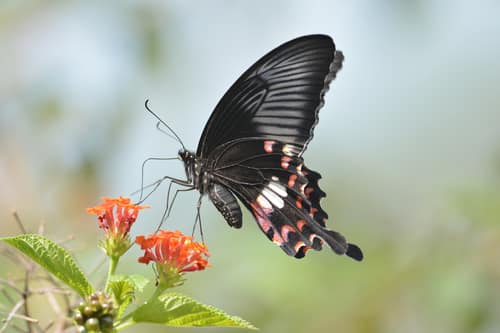
Neighbor (c) Dr. Raju Kasambe, some rights reserved (CC BY-SA) · cc-by-sa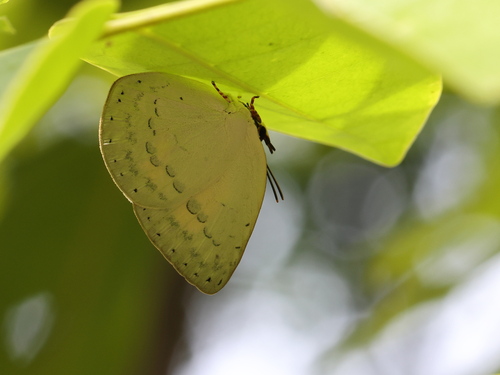
Close Relative (c) Rainer Breitling, some rights reserved (CC BY) · cc-by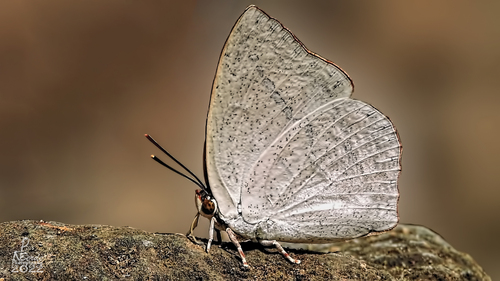
Close Relative (c) Nishant Purushottam Berde, some rights reserved (CC BY), uploaded by Nishant Purushottam Berde · cc-by
Help improve the field guideSomething wrong?
Checking your Fauna account…Report a name, category, or profile issue for review.