
Insect · GBIF taxon 1926861
Northern Blue Butterfly
Lycaeides idasAlso known as Idas Blue
Northern blue butterflies flutter through northern heathlands, peat bogs, and alpine meadows where caterpillars feed on dwarf shrubs like heather and blueberry. Males display shimmering iridescent blue upperwings framed by thin dark borders, while females wear brown wings accented with orange submarginal spots. Caterpillars maintain a symbiotic relationship with ants, which shield them from predators in exchange for sugary honeydew secretions.
SmallBlue WingsAlpine
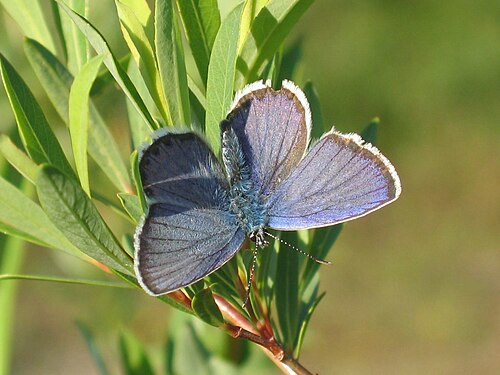
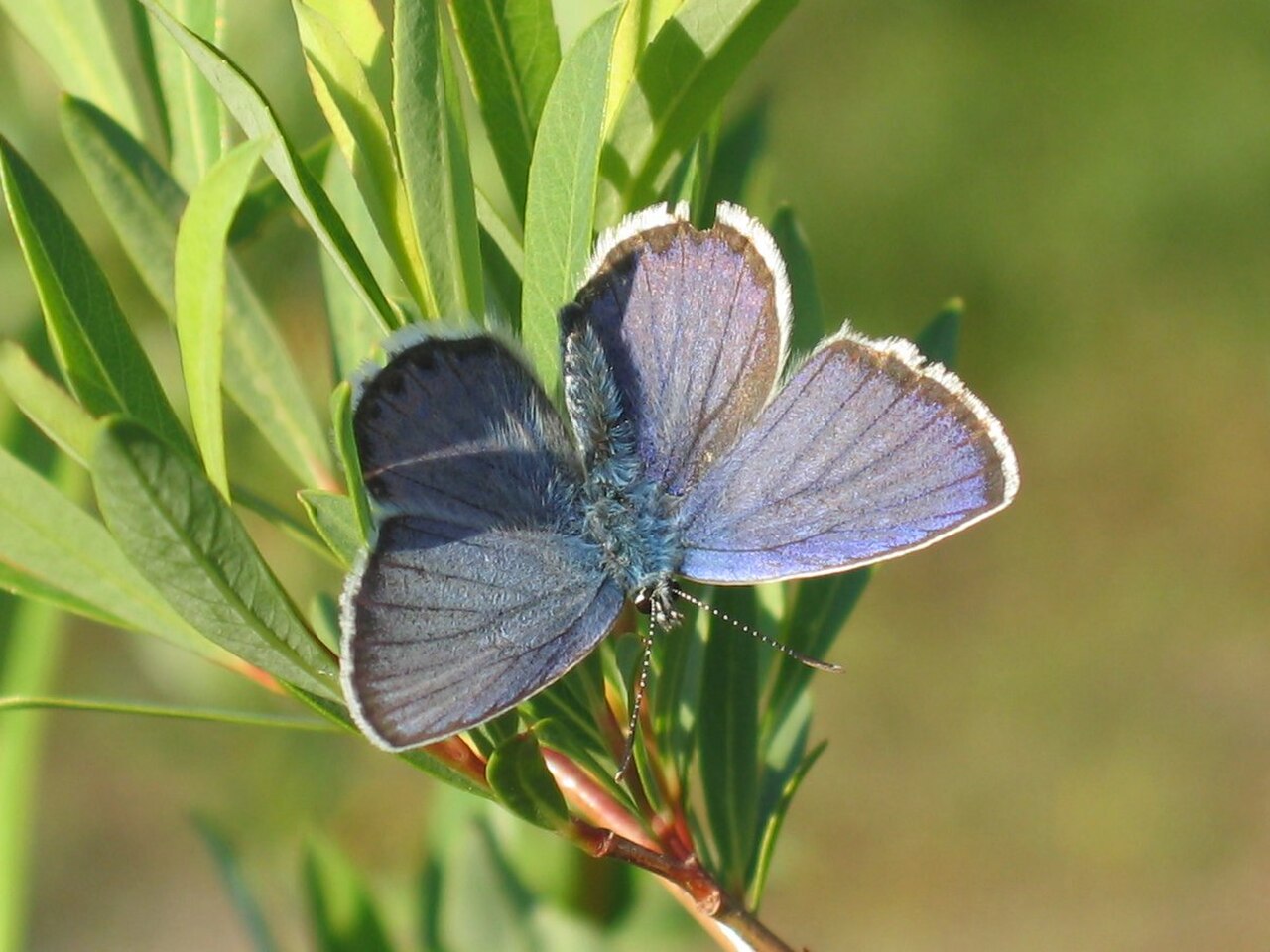
Licensed referenceHarald Süpfle / CC BY-SA 3.0 · cc-by-sa
—observations
—countries
—peak records
Least ConcernConservation statusIUCN Red List categoriesLCNTVUENCREWEXLeast ConcernRed List categories, explained →
Diet & prey
- Flower Nectar
- Heather Leaves
- Legumes
Predators
- Spiders
- Insectivorous Birds
- Dragonflies
ThreatsHabitat fragmentation, climate shift in alpine zones, fire suppression altering host plant supply
HabitatsBoreal forests, peat bogs, heathlands, alpine meadows
Life span1–3 weeks as adults
Size / weightNot available
Classification
- FamilyLycaenidae
- SpeciesLycaeides idas
Range data is not available yet.
Interaction riskLow
- Low
- Moderate
- High
- Very high
- Why interaction risk is low
- Safe to observe at a normal distance.
Responsible observation
- Puddling Sites: Look for males drinking mineral-rich water along muddy trail edges.
- Low Approach: Move slowly near heather patches to avoid startling resting butterflies.
- Host Plant Clues: Search areas rich in dwarf shrubs like heather and bilberry during midsummer.
 Image unavailable
Co-occurring Species 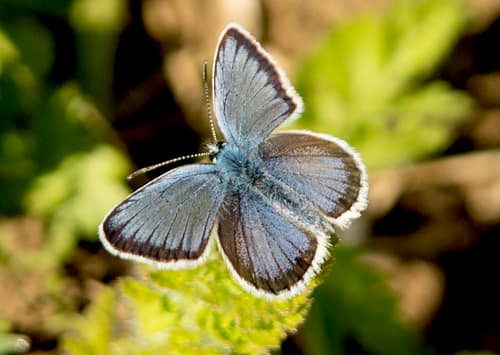
Close Relative (c) katunchik, some rights reserved (CC BY), uploaded by katunchik · cc-by
Help improve the field guideSomething wrong?
Checking your Fauna account…Report a name, category, or profile issue for review.