Also known as Bernardino Small Blue, San Bernardino Blue
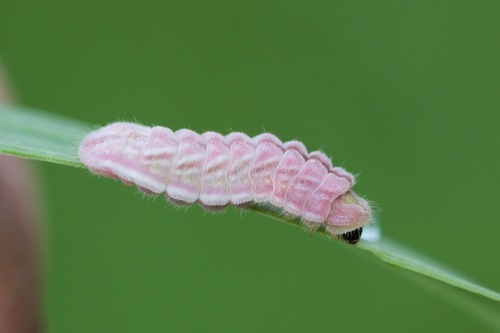
Bernardino blues are delicate lycaenid butterflies closely associated with coastal sage scrub and chaparral ecosystems. Males exhibit vibrant bright blue upperwings with thin dark borders, while females display subtle brown wings often washed with blue at the bases. Caterpillars feed directly on the flowers and developing seedheads of wild buckwheat plants, completing their life cycle in tight synchronization with their host blossom.
ButterfliesPollinatorChaparral
—observations
—countries
—peak records
Not EvaluatedConservation statusIUCN Red List categoriesLCNTVUENCREWEXNot Evaluated — not placed on the risk ladderRed List categories, explained →
Key facts
Diet & prey
Adults sip flower nectar; caterpillars feed on flowers and seedheads of wild buckwheat (Eriogonum).
Predators
Spiders
Robber flies
Lizards
ThreatsHabitat loss from urban expansion, altered wildfire regimes, and invasive plant competition.

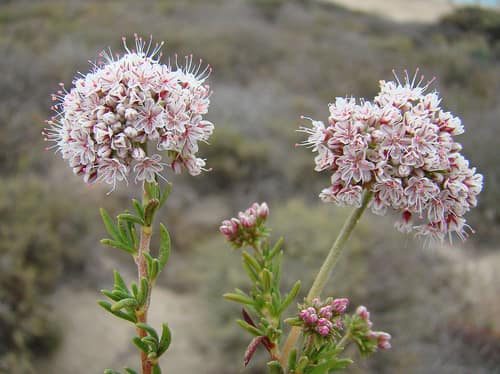
 Image unavailable