
Insect · GBIF taxon 1922049
Olive Hairstreak
Mitoura gryneusAlso known as Juniper Hairstreak, Cedar Hairstreak
Olive hairstreaks display striking emerald green undersides edged with white and reddish-brown markings that allow them to blend seamlessly into evergreen foliage. Territorial males perch on the upper branches of host trees during sunny afternoons, spiraling into rapid aerial duels against intruding males. Caterpillars rely strictly on eastern redcedar and other juniper foliage, matching the exact texture and green shade of their host plants.
ButterflyCamouflagedNectar Feeder


Licensed referenceMegan McCarty / CC BY 3.0 · cc-by
—observations
—countries
—peak records
Least ConcernConservation statusIUCN Red List categoriesLCNTVUENCREWEXLeast ConcernRed List categories, explained →
Diet & prey
- Eastern Redcedar Foliage
- Juniper Foliage
- Flower Nectar
Predators
- Spiders
- Insectivorous Birds
- Praying Mantises
ThreatsHabitat clearance, excessive pesticide spraying, loss of native juniper stands
HabitatsCedar glades, open pine-oak woodlands, abandoned pastures, rocky bluffs
Life span1–2 weeks as adults; 1 year total lifecycle
Size / weightNot available
Classification
- FamilyLycaenidae
- SpeciesMitoura gryneus
Range data is not available yet.
Interaction riskLow
- Low
- Moderate
- High
- Very high
- Why interaction risk is low
- Safe to observe at a normal distance.
Responsible observation
- Spotting Males: Scan the highest sunny tips of eastern redcedar trees during early afternoon.
- Nectar Searching: Check nearby patches of dogbane, milkweed, and clover for foraging adults.
- Approach Slowly: Move carefully without casting a direct shadow to avoid triggering escape flights.
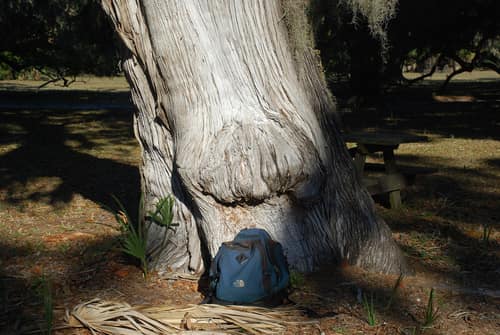
Host Plant (c) Douglas Goldman, some rights reserved (CC BY-SA), uploaded by Douglas Goldman · cc-by-sa
Related Hairstreak (c) Andy Deans, some rights reserved (CC BY) · cc-by Image unavailable
Close Relative
Help improve the field guideSomething wrong?
Checking your Fauna account…Report a name, category, or profile issue for review.