
Insect · GBIF taxon 1919167
Pareronia anais
Pareronia anaisAlso known as Anais Wanderer
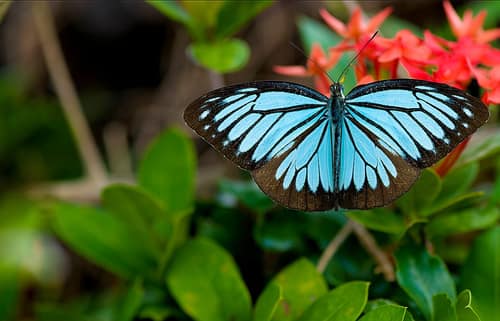
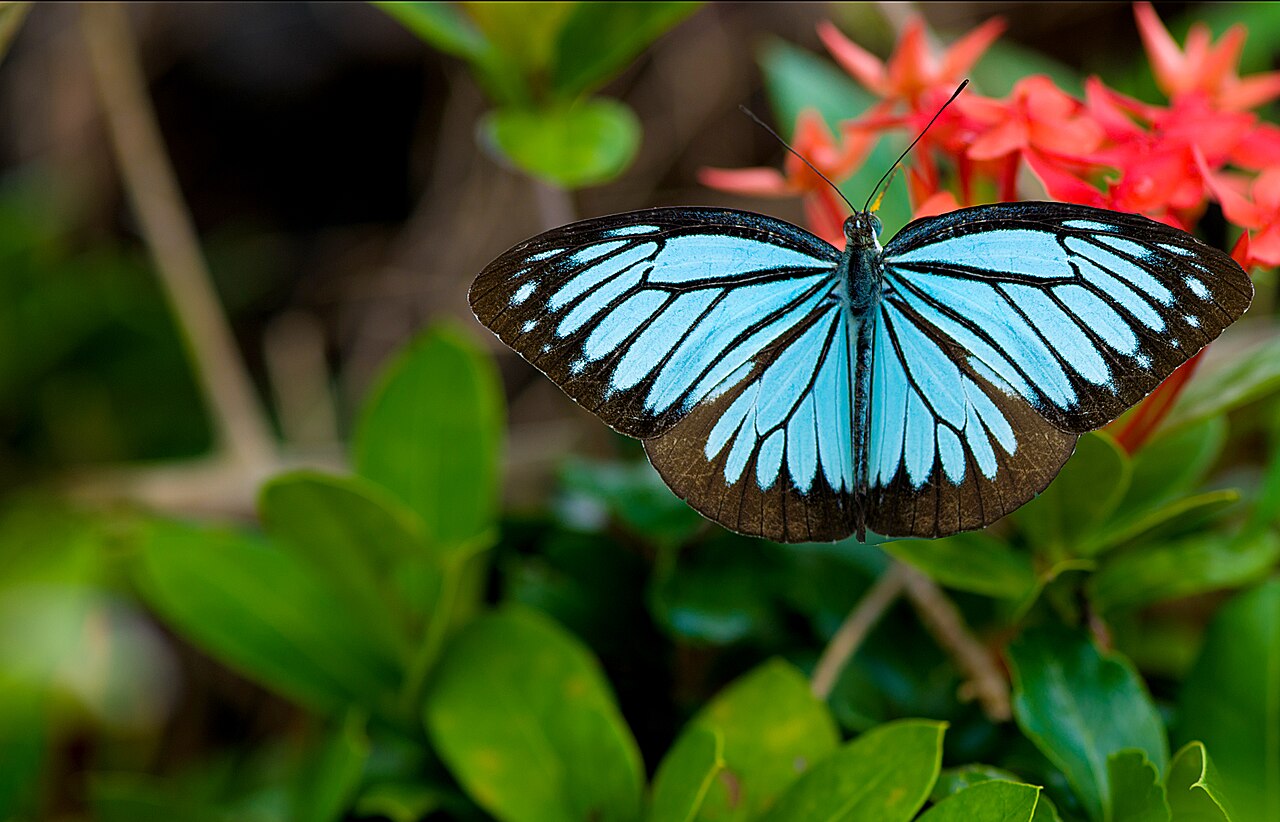
Common Wanderers showcase dramatic sexual dimorphism across the open forests and scrublands of South and Southeast Asia. Males feature brilliant icy-blue wings laced with thin dark veins, while females mimic unpalatable milkweed butterflies to deter avian predators. Adults fly with a rapid, erratic flight path along forest clearings and frequently settle on wet gravel to mineral puddle.
DiurnalMimicPollinator
—observations
—countries
—peak records
Not EvaluatedConservation statusIUCN Red List categoriesLCNTVUENCREWEXNot Evaluated — not placed on the risk ladderRed List categories, explained →
Diet & prey
- Capparis Leaves
- Flower Nectar
Predators
- Birds
- Spiders
- Praying Mantises
ThreatsDeforestation, agricultural land conversion, and pesticide application.
HabitatsTropical moist forests, dry deciduous woodlands, riverbanks, and gardens.
Life span2–4 weeks (adult stage)
Size / weightNot available
Classification
- OrderLepidoptera
- FamilyPieridae
- GenusPareronia
- SpeciesPareronia anais
Range data is not available yet.
Interaction riskLow
- Low
- Moderate
- High
- Very high
- Why interaction risk is low
- Safe to observe at a normal distance.
Responsible observation
- Observation: Look for patrolling males along sunny forest paths and riverbanks.
- Identification: Note the icy-blue uppersides on males and tiger-like stripes on females.
- Larval Plants: Plant native Capparis vines to encourage breeding in habitat gardens.
 Image unavailable
Mimicry Model 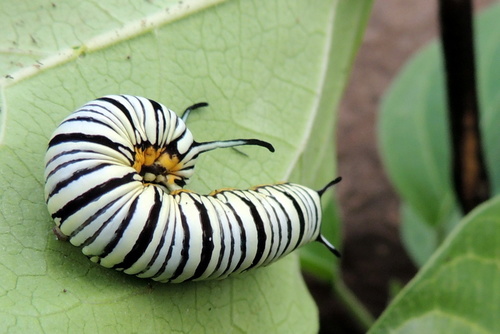
Mimicry Model no rights reserved, uploaded by Vijay Barve · cc0Host Plant 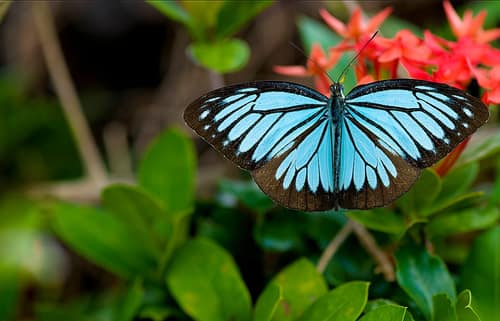
Close Relative Uajith / CC BY-SA 3.0 · cc-by-sa
Keep collecting in Fauna
Found in Collections
Ecosystem chain Pro
Mystic Meadows
Pareronia anais is found in this collection. Identify it in Fauna to fill this slot and continue your progress.
Unlock to track progress
Help improve the field guideSomething wrong?
Checking your Fauna account…Report a name, category, or profile issue for review.