
Insect · GBIF taxon 1914465
Bordered Patch
Chlosyne laciniaAlso known as Sunflower Patch
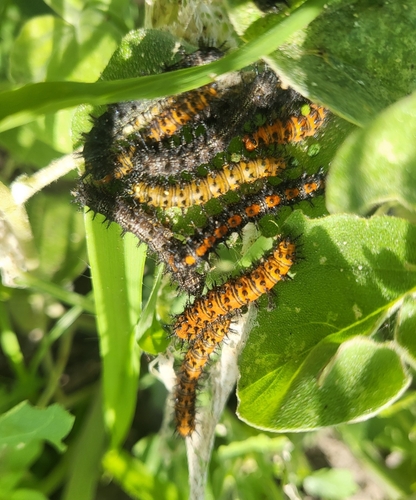
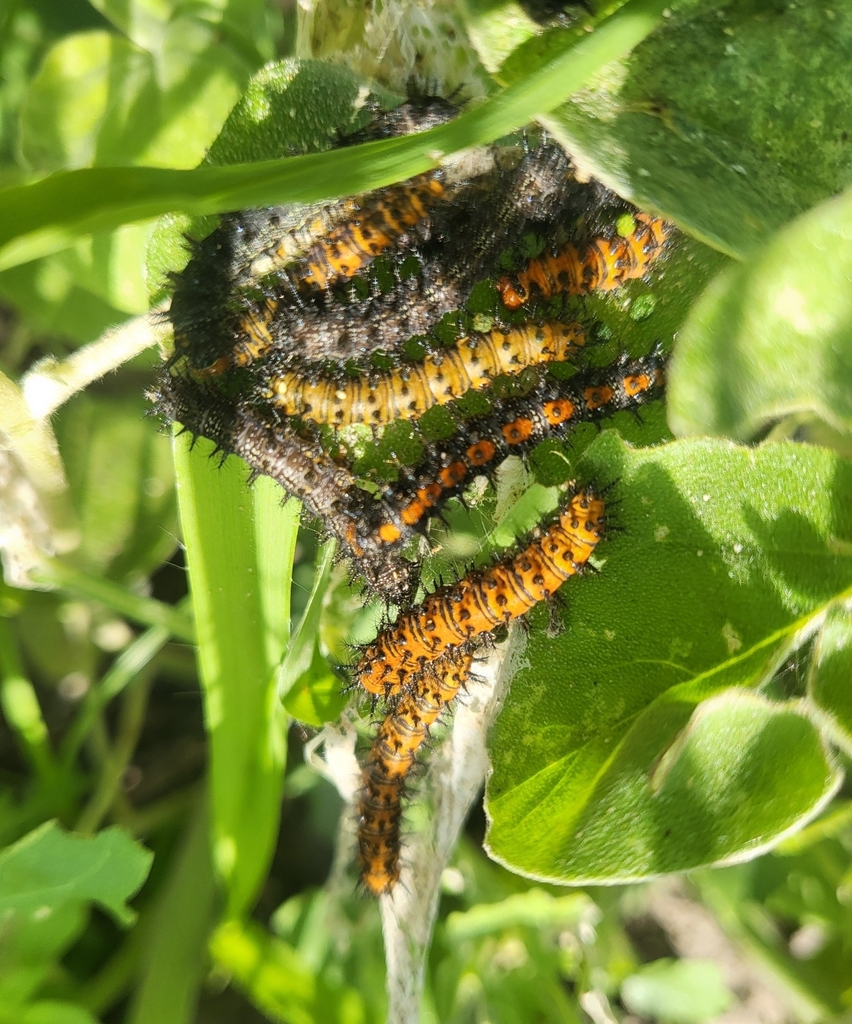
Bordered patches display astonishing wing pattern variation, ranging from mostly dark brown to brilliantly banded in deep orange and cream. Young caterpillars feed gregariously on native sunflowers and ragweeds, completely skeletonizing host plant leaves in dense clusters before dispersing. These sun-loving butterflies are frequent visitors to desert blooms, garden composite flowers, and moist mud puddles across the Americas.
PollinatorVariableBrush-Footed
—observations
—countries
—peak records
Not EvaluatedConservation statusIUCN Red List categoriesLCNTVUENCREWEXNot Evaluated — not placed on the risk ladderRed List categories, explained →
Diet & prey
- Flower Nectar
- Sunflower Leaves
- Ragweed Leaves
Predators
- Birds
- Predatory Wasps
- Spiders
ThreatsAgricultural pesticide applications and habitat clearance.
HabitatsFields, roadsides, desert wash, open woodlands, pastures, and gardens.
Life spanAdults live 2–4 weeks; multiple broods fly spring through autumn.
Classification
- FamilyNymphalidae
- SpeciesChlosyne lacinia
Range data is not available yet.
Interaction riskLow
- Low
- Moderate
- High
- Very high
- Why interaction risk is low
- Safe to observe at a normal distance.
Responsible observation
- Planting Hosts: Grow native sunflowers or cowpen daisies to attract egg-laying females to your yard.
- Observing Larvae: Look on the undersides of host leaves for tightly packed black, spiky caterpillars.
- Spotting Adults: Watch sunny flower patches during warm afternoons for mud-puddling or nectaring adults.
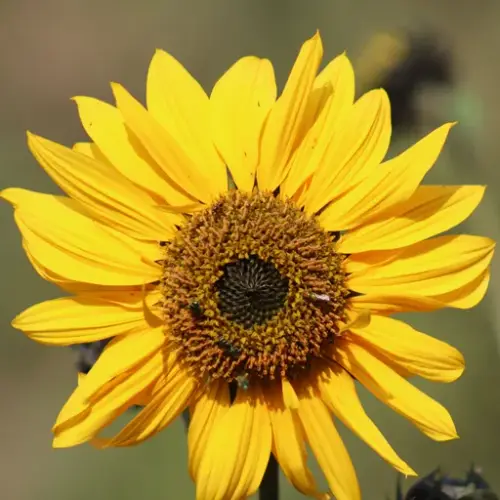
Host Plant Dr Photographer / PUBLIC DOMAIN · public domain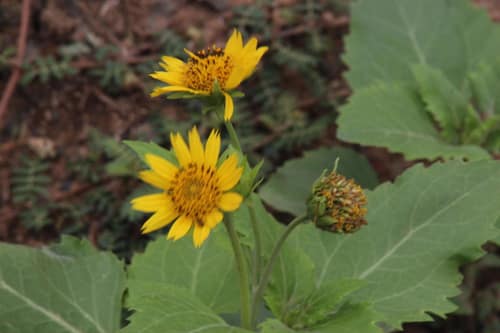
Host Plant (c) Tony Rebelo, some rights reserved (CC BY-SA), uploaded by Tony Rebelo · cc-by-sa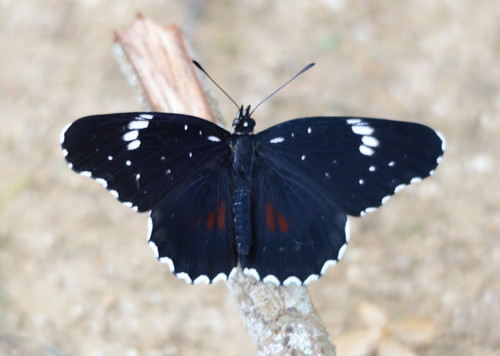
Close Relative (c) Don Loarie, some rights reserved (CC BY) · cc-by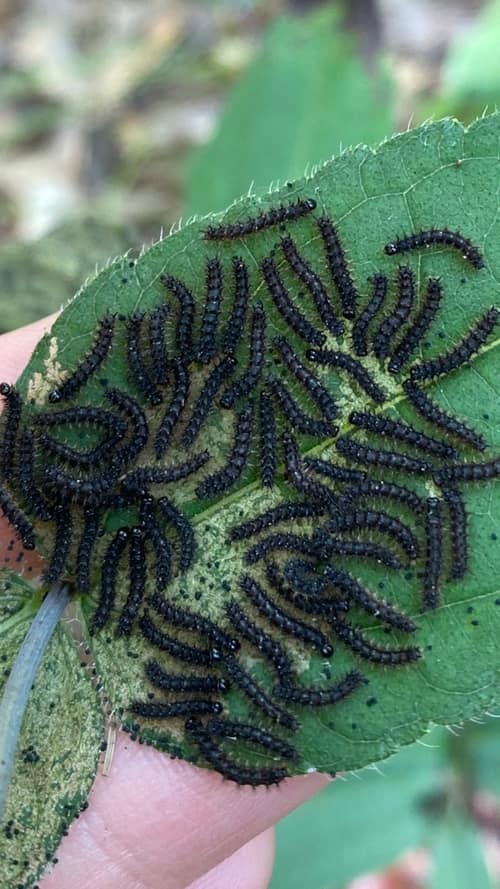
Close Relative no rights reserved, uploaded by Kathleen Houlahan Chayer · cc0
Help improve the field guideSomething wrong?
Checking your Fauna account…Report a name, category, or profile issue for review.