
Insect
Great Eggfly
Hypolimnas bolinaAlso known as Common Eggfly, Varied Eggfly, Blue Moon Butterfly
Males perch conspicuously on low foliage along sunlit paths, aggressively defending their territory and chasing off rival butterflies with rapid, snapping flight maneuvers. Their velvety black wings feature striking white spots fringed with iridescent violet-blue scales that shift under changing sunlight. Females display extraordinary polymorphic variation, mimicking unpalatable toxic milkweed butterflies such as crows and tigers, and even exhibit maternal care by guarding their freshly laid eggs against parasitic wasps.
PollinatorMimicDay-flying
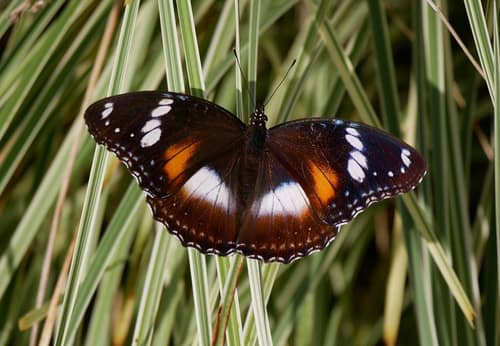
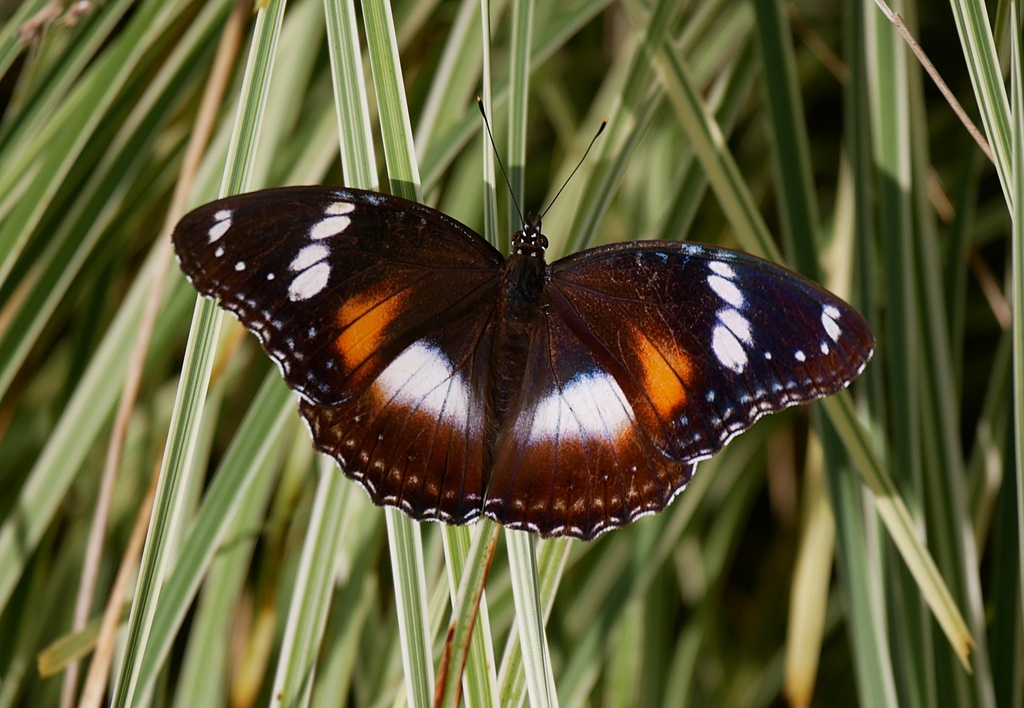
—observations
—countries
—peak records
Least ConcernConservation statusIUCN Red List categoriesLCNTVUENCREWEXLeast ConcernRed List categories, explained →
Diet & preyFlower nectar, Overripe fruit juices, Tree sap
Predators
- Insectivorous birds
- Praying mantises
- Orb-weaver spiders
ThreatsAgricultural pesticide exposure, habitat loss, and extreme weather events
HabitatsTropical rainforests, open woodlands, scrublands, coastal thickets, and suburban gardens
Life spanAdults live 2–6 weeks; entire life cycle lasts roughly 6–8 weeks
Classification
- FamilyNymphalidae
- SpeciesHypolimnas bolina
Range data is not available yet.
Interaction riskLow
- Low
- Moderate
- High
- Very high
- Why interaction risk is low
- Safe to observe at a normal distance.
Responsible observation
- Territorial perches: Look for males on prominent leaves roughly one meter off the ground in sunny clearings.
- Fermenting fruit: Place overripe bananas or melons in dappled shade to draw hungry adults down for close views.
- Sun angles: Shift your viewing position to catch the bright purple-blue iridescence on the upper wings.
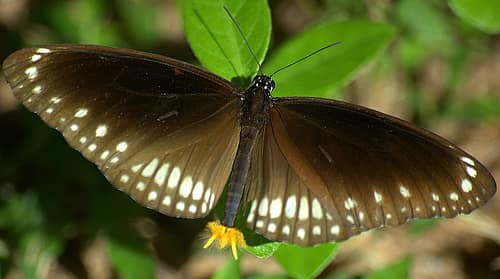
Mimicry Model (c) Manvendra Bhangui, some rights reserved (CC BY-SA) · cc-by-sa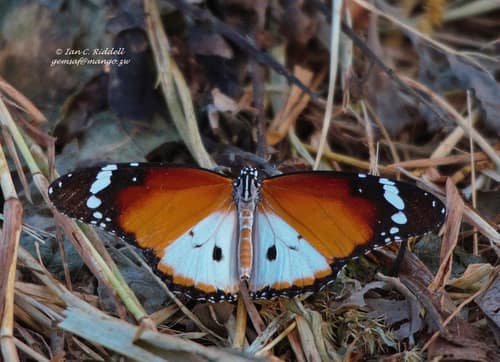
Mimicry Model (c) i_c_riddell, some rights reserved (CC BY), uploaded by i_c_riddell · cc-by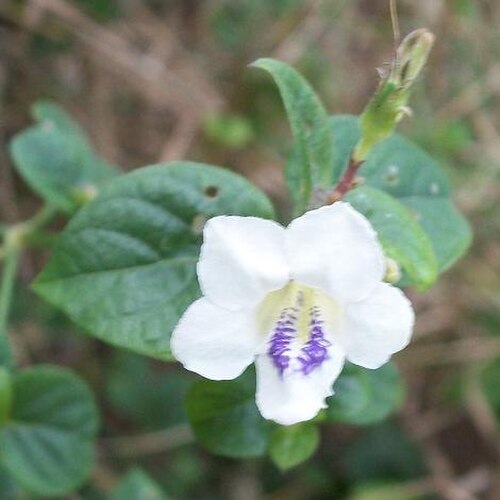
Host Plant Michaelwild at en.wikipedia / CC BY-SA 3.0 · cc-by-sa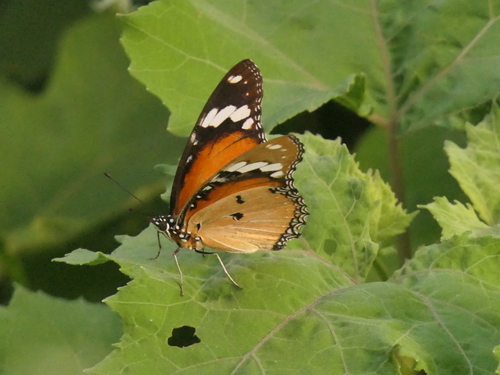
Close Relative (c) Sagnik Dutta Roy, some rights reserved (CC BY), uploaded by Sagnik Dutta Roy · cc-by
Help improve the field guideSomething wrong?
Checking your Fauna account…Report a name, category, or profile issue for review.