Fauna
Insect

Doris Longwing

Heliconius doris

Also known as The Doris, Doris Butterfly

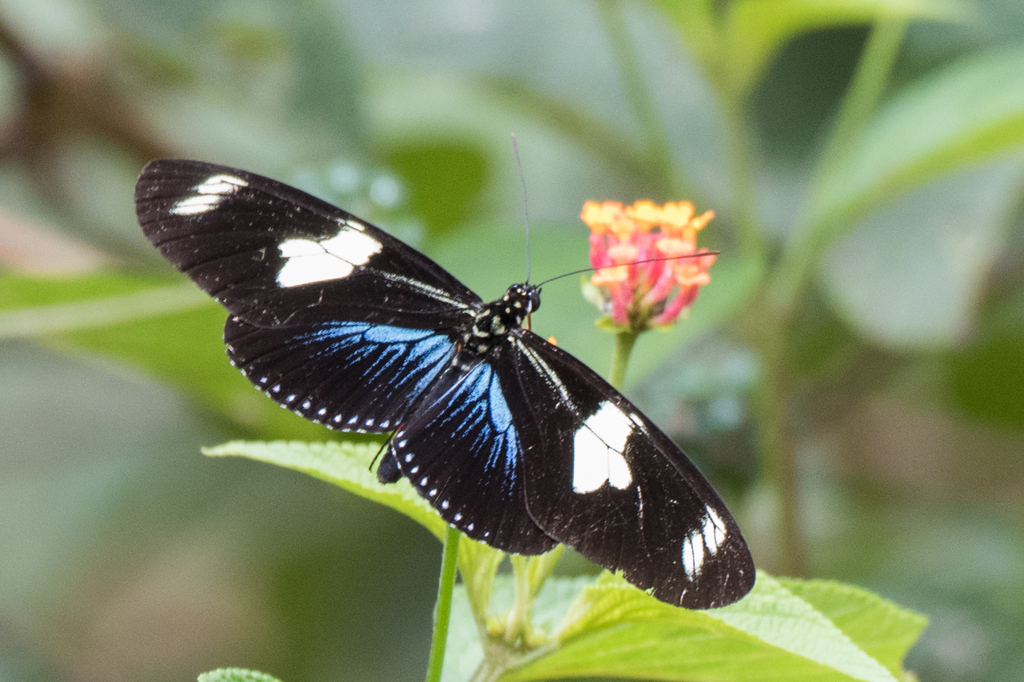
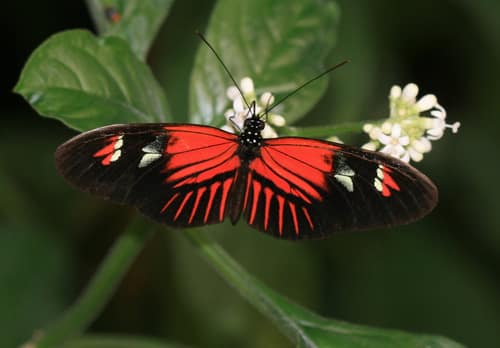
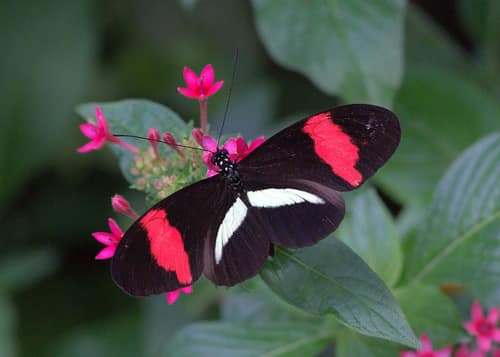
Doris longwings stand out among Heliconius butterflies for their remarkable hindwing polymorphism, flashing electric blue, vivid red, or rare green ray patterns across different individuals in the same rainforest. Unlike most of their relatives that lay solitary eggs, females deposit large clusters on host vines, producing dense broods of social caterpillars that feed side by side. Adults actively collect and digest pollen alongside nectar, extracting amino acids that sustain continuous egg production and an unusually long adult lifespan.

PolymorphicTropicalPollinator
—observations
—countries
—peak records
Least ConcernConservation statusIUCN Red List categoriesLCNTVUENCREWEXLeast ConcernRed List categories, explained →
Diet & preyPsiguria flowers, Lantana camara, Passiflora vines
Predators
  • Rufous-tailed jacamar
  • Orb-weaver spiders
  • Praying mantises
ThreatsDeforestation, habitat fragmentation, and heavy pesticide use
HabitatsTropical rainforests, humid premontane slopes, and forest edges
Life span6–9 months
  1. OrderLepidoptera
  2. FamilyNymphalidae
  3. GenusHeliconius
  4. SpeciesHeliconius doris
Range data is not available yet.
Interaction riskLow
  1. Low
  2. Moderate
  3. High
  4. Very high
Why interaction risk is low
Safe to observe at a normal distance.
Responsible observation
  • Morning Garden Watch: Look around flowering Lantana or Psychotria bushes in sunny forest clearings during early morning hours.
  • Search for Roosts: Inspect sheltered understory twigs in the late afternoon to spot small communal sleeping groups.
Keep collecting in Fauna

Found in Collections

Ecosystem chain Pro

Mystic Meadows

Doris Longwing is found in this collection. Identify it in Fauna to fill this slot and continue your progress.

Unlock to track progress

Continue in the app
Help improve the field guideSomething wrong?

Report a name, category, or profile issue for review.

Checking your Fauna account…