
Insect · GBIF taxon 1900233
Zebra Longwing
Heliconius charithoniaAlso known as Zebra Heliconian
Zebra longwings feature striking black wings striped with vivid yellow, fluttering through shaded forest clearings with a gentle, floating flight. Adults collect and digest protein-rich pollen alongside sugary nectar, granting them an unusually long adult lifespan of up to nine months. At dusk, individuals gather in communal roosts, returning to the exact same sheltered perches night after night.
RoostingAposematicPollinator
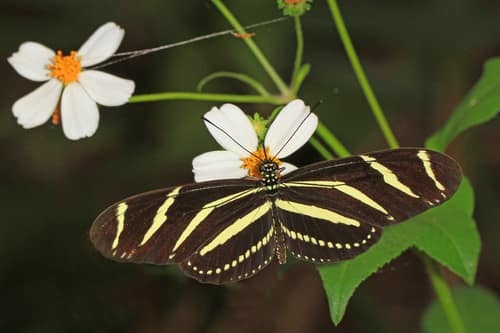
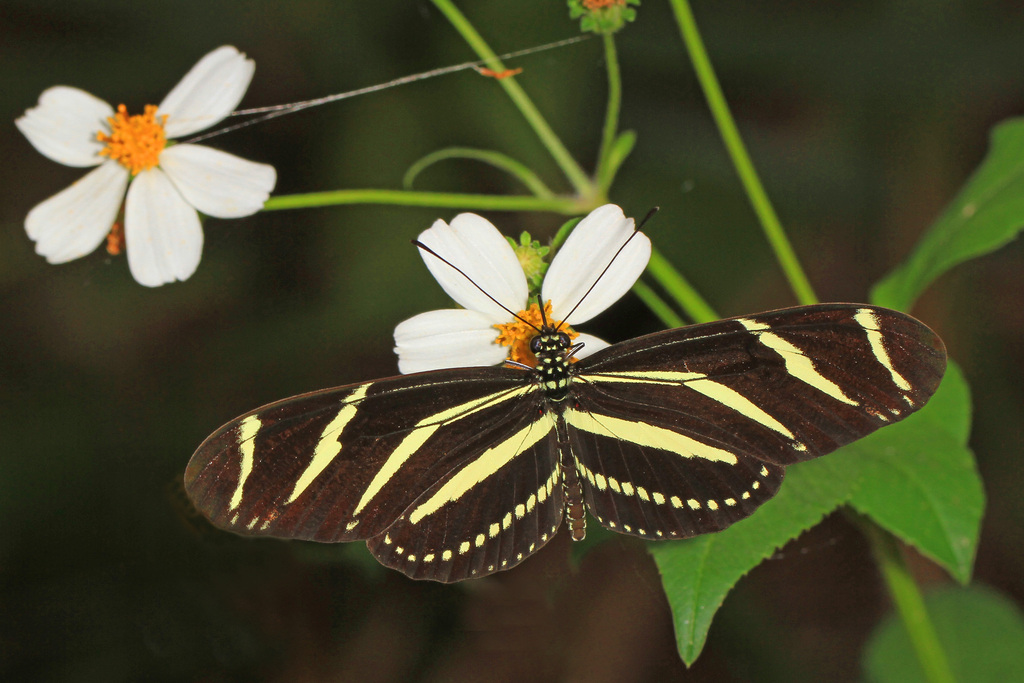
—observations
—countries
—peak records
Least ConcernConservation statusIUCN Red List categoriesLCNTVUENCREWEXLeast ConcernRed List categories, explained →
Diet & prey
- Pollen
- Nectar
Predators
- Birds
- Anoles
- Praying Mantises
ThreatsHabitat fragmentation, pesticide application, severe cold events
HabitatsTropical hammocks, hardwood forests, suburban gardens
Life spanUp to 6–9 months
Size / weightNot available
Classification
- OrderLepidoptera
- FamilyNymphalidae
- GenusHeliconius
- SpeciesHeliconius charithonia
Range data is not available yet.
Interaction riskLow
- Low
- Moderate
- High
- Very high
- Why interaction risk is low
- Safe to observe at a normal distance.
Responsible observation
- Observation: Approach slowly near morning roosts to watch them warm their wings in filtered sunlight.
- Host Plants: Plant purple passionvine to provide essential egg-laying sites for females.

Host Plant Companion (c) Leonel Roget, some rights reserved (CC BY), uploaded by Leonel Roget · cc-by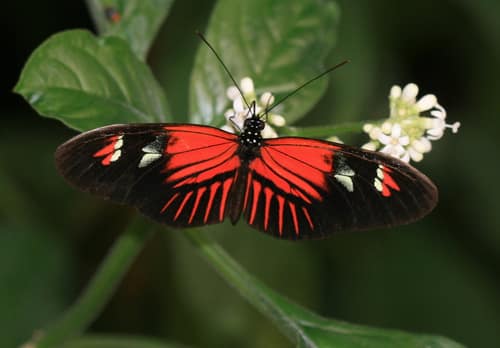
Same Genus (c) S. Rae, some rights reserved (CC BY) · cc-by
Close Relative no rights reserved, uploaded by Dennis White · cc0
Keep collecting in Fauna
Found in Collections
Ecosystem chain Pro
Mystic Meadows
Zebra Longwing is found in this collection. Identify it in Fauna to fill this slot and continue your progress.
Unlock to track progress
Help improve the field guideSomething wrong?
Checking your Fauna account…Report a name, category, or profile issue for review.