
Insect · GBIF taxon 1898544
European Comma
Polygonia c-albumAlso known as Comma Butterfly, Comma
European commas blend seamlessly into winter woodlands by mimicking dead oak leaves when their ragged wings fold shut. Named for the tiny white punctuation mark stamped on the underside of each hindwing, these butterflies display striking orange and brown uppersides that catch the light during warm sunbaths. Adults emerge in late summer to feed on overripe fruit before hibernating through winter in tree hollows or Ivy patches.
CamouflagedPollinatorFast-flying
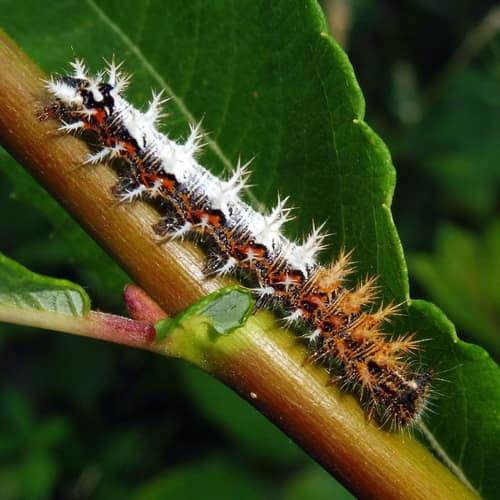
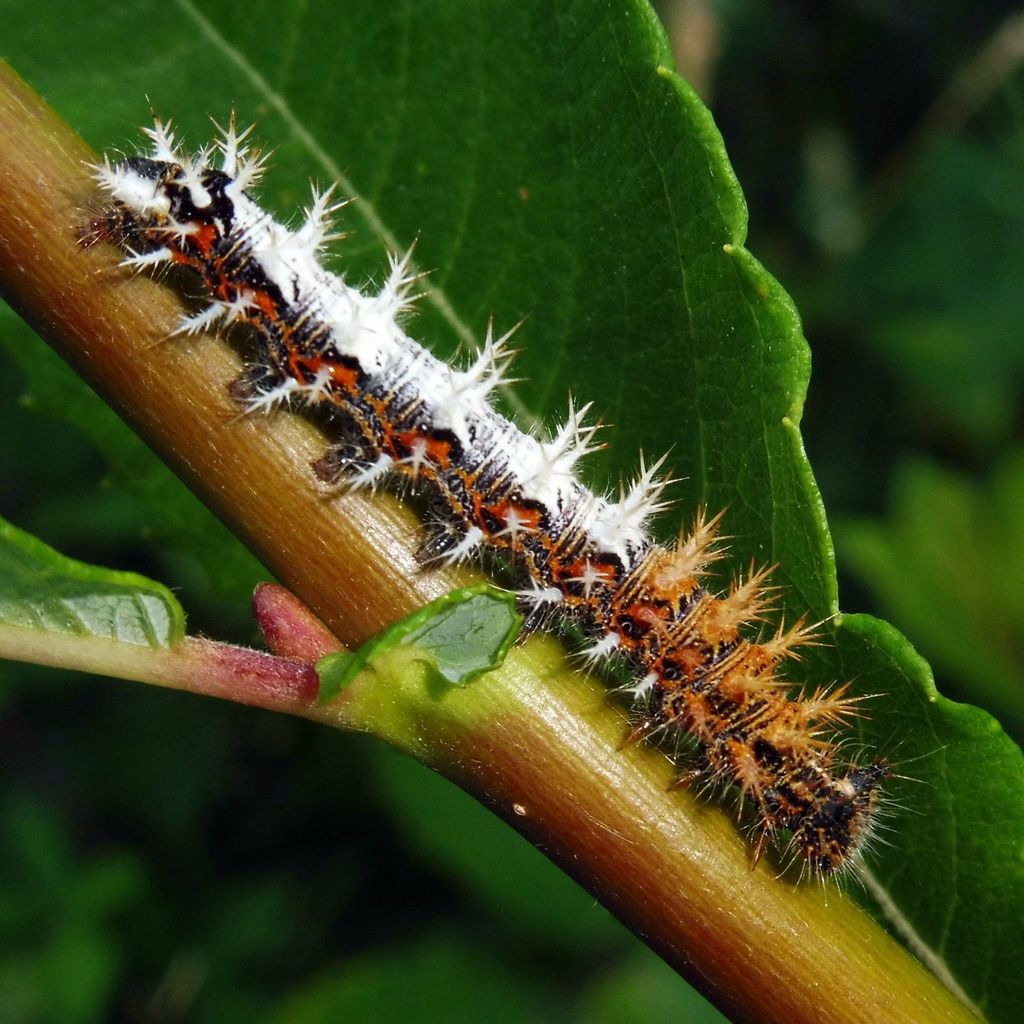 1 / 7
1 / 7—observations
—countries
—peak records
Least ConcernConservation statusIUCN Red List categoriesLCNTVUENCREWEXLeast ConcernRed List categories, explained →
Diet & prey
- Nectar
- Tree Sap
- Fermenting Fruit
Predators
- Insectivorous Birds
- Spiders
- Small Mammals
ThreatsPesticide application, loss of woodland edge habitats, and removal of host plants like nettles.
HabitatsWoodland rides, hedgerows, country gardens, orchards, and riverbanks.
Life spanUp to 10 months
Size / weightNot available
Classification
- OrderLepidoptera
- FamilyNymphalidae
- GenusPolygonia
- SpeciesPolygonia c-album
Range data is not available yet.
Interaction riskLow
- Low
- Moderate
- High
- Very high
- Why interaction risk is low
- Safe to observe at a normal distance.
Responsible observation
- Fruit Feeding: Leave fallen, overripe plums or apples in sunny garden spots to attract autumn adults.
- Approach Gently: Move slowly around sunlit woodland clearings where territorial males perch on low leaves.
- Look Beneath Wings: Search underside hindwings of resting individuals to spot the signature white punctuation mark.
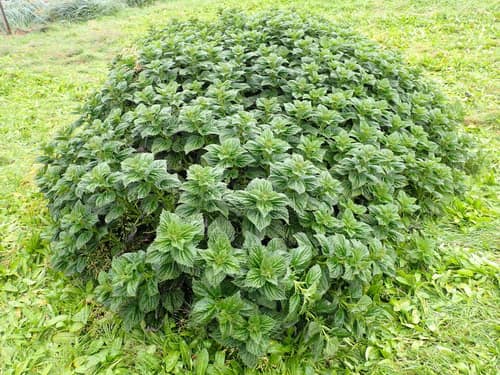
Host Plant no rights reserved, uploaded by georgiasteel · cc0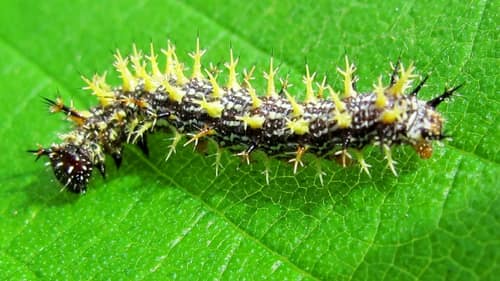
Close Relative (c) Ilona, some rights reserved (CC BY-SA), uploaded by Ilona · cc-by-sa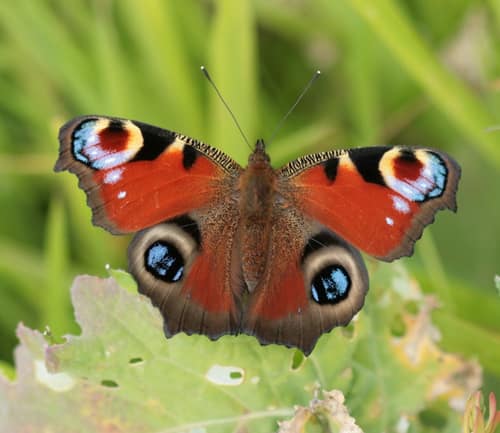
Close Relative (c) S. Rae, some rights reserved (CC BY) · cc-by
Keep collecting in Fauna
Found in Collections
Ecosystem chain Pro
Mystic Meadows
European Comma is found in this collection. Identify it in Fauna to fill this slot and continue your progress.
Unlock to track progress
Help improve the field guideSomething wrong?
Checking your Fauna account…Report a name, category, or profile issue for review.