
Insect
Chestnut Tiger
Parantica sitaChestnut tigers glide with effortless, sailing wingbeats across the montane forests of East and South Asia. Caterpillars feed on milkweed vines in the dogbane family, sequestering bitter cardiac glycosides that render both the larvae and adult butterflies distasteful to insectivorous birds. In eastern populations, adults undertake astounding multi-generational migrations, riding autumn winds over thousands of kilometers between the Japanese archipelago and southern wintering havens in Taiwan and Hong Kong.
MigratoryForest DwellerPollinator
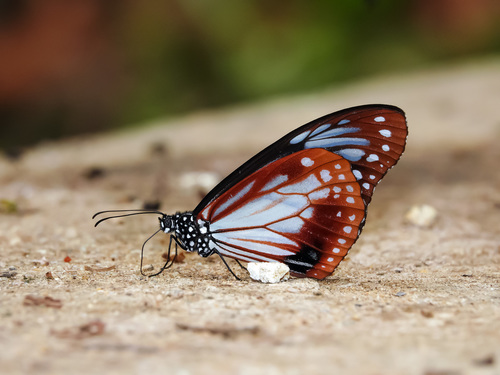
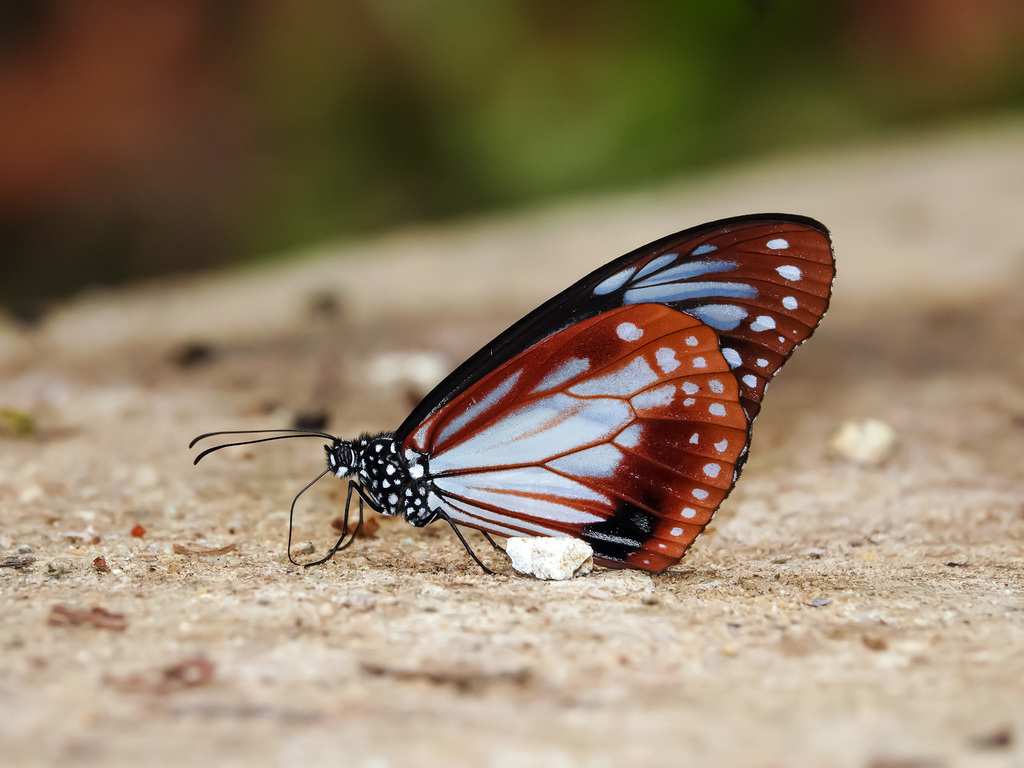
—observations
—countries
—peak records
Not EvaluatedConservation statusIUCN Red List categoriesLCNTVUENCREWEXNot Evaluated — not placed on the risk ladderRed List categories, explained →
Diet & preyFlower nectar, Tree sap, Plant fluids
Predators
- Spiders
- Praying mantises
- Dragonflies
ThreatsHabitat loss, deforestation, and extreme weather during migration
HabitatsMontane forests, woodland edges, and clearings
Life spanSeveral weeks as breeding adults, up to 6 months for overwintering migrants
Classification
- FamilyNymphalidae
- SpeciesParantica sita
Range data is not available yet.
Interaction riskLow
- Low
- Moderate
- High
- Very high
- Why interaction risk is low
- Safe to observe at a normal distance.
Responsible observation
- Observation Timing: Look for them sunning on sunlit forest edges during calm, warm mornings.
- Nectar Patches: Search patches of flowering thoroughwort or asteraceae along mountain paths.
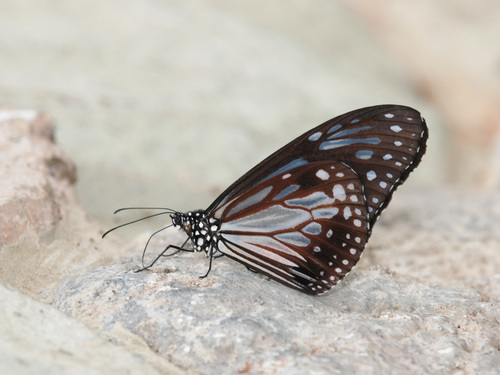
Close Relative (c) Cheongweei Gan, some rights reserved (CC BY), uploaded by Cheongweei Gan · cc-by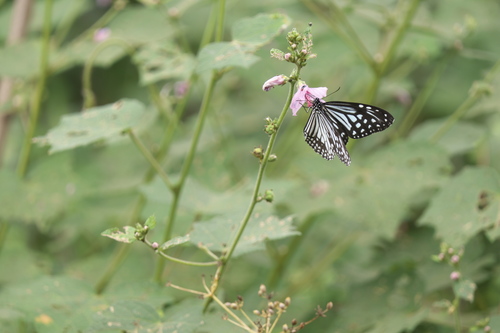
Close Relative (c) Dinesh Valke, some rights reserved (CC BY-SA) · cc-by-sa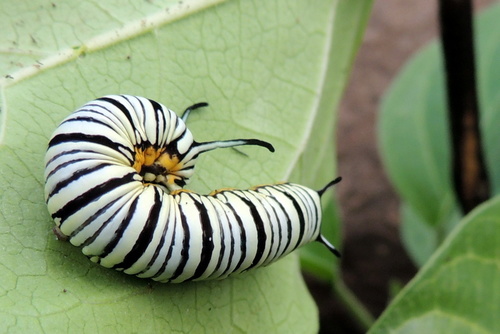
Same Family no rights reserved, uploaded by Vijay Barve · cc0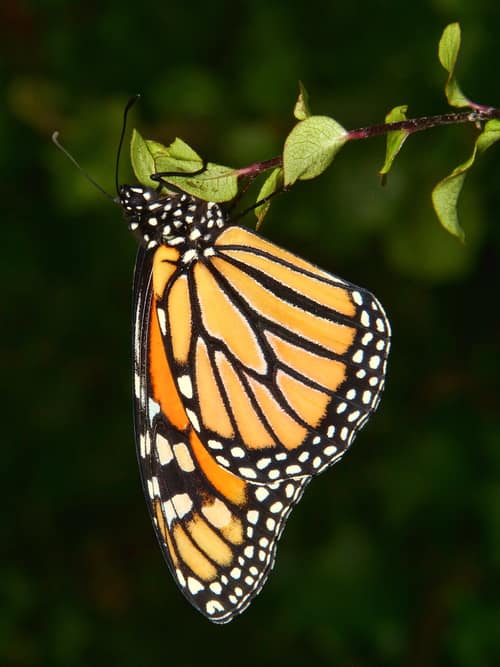
Same Subfamily Sid Mosdell from New Zealand / CC BY 2.0 · cc-by
Keep collecting in Fauna
Found in Collections
Ecosystem chain Pro
Mystic Meadows
Chestnut Tiger is found in this collection. Identify it in Fauna to fill this slot and continue your progress.
Unlock to track progress
Help improve the field guideSomething wrong?
Checking your Fauna account…Report a name, category, or profile issue for review.