
Insect · GBIF taxon 1896841
Ringlet
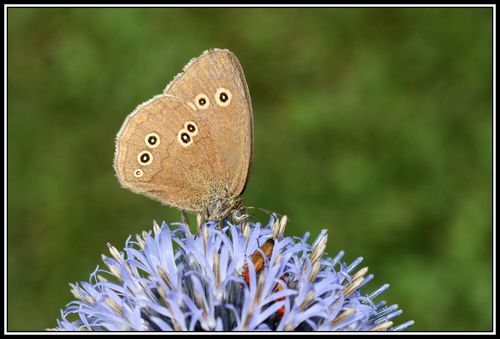
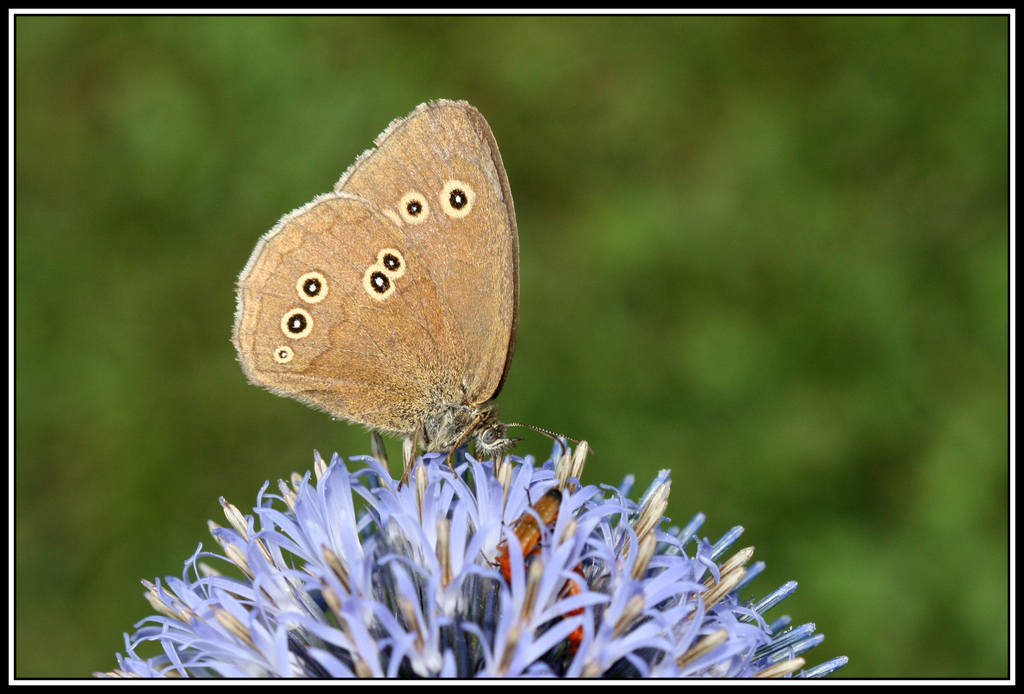
Aphantopus hyperantusRinglet butterflies drift through damp tall grass and bramble-lined woodland edges with a gentle, bobbing flight. Their dark, velvety-brown wings feature distinctive yellow-rimmed eyespots on the underside that help deflect bird attacks away from their vital body. Unlike most butterflies, adults remain active even on overcast or drizzly summer days, feeding eagerly on wild bramble and thistle flowers.
DiurnalWoodlandEyespots
—observations
—countries
—peak records
Least ConcernConservation statusIUCN Red List categoriesLCNTVUENCREWEXLeast ConcernRed List categories, explained →
Diet & prey
- Bramble nectar
- Thistle nectar
- Coarse grasses
Predators
- Birds
- Spiders
- Dragonflies
ThreatsAgricultural intensification, drainage of damp grasslands, and over-mowing
HabitatsDamp woodland rides, tall unmanaged grassland, hedgerows, and scrub
Life span2 to 3 weeks as adult; 1 year life cycle
Size / weightNot available
Classification
- FamilyNymphalidae
- SpeciesAphantopus hyperantus
Range data is not available yet.
Interaction riskLow
- Low
- Moderate
- High
- Very high
- Why interaction risk is low
- Safe to observe at a normal distance.
Responsible observation
- Timing: Look for adults on dull, cloudy July days when other butterflies remain resting.
- Habitat Focus: Search bramble patches along shady forest edges and damp meadows.
- Approach: Move slowly to view the intricate eyespots on the underside of folded wings.
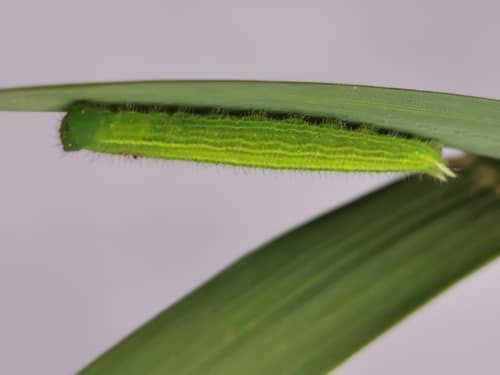
Frequent Companion (c) Céline, some rights reserved (CC BY), uploaded by Céline · cc-by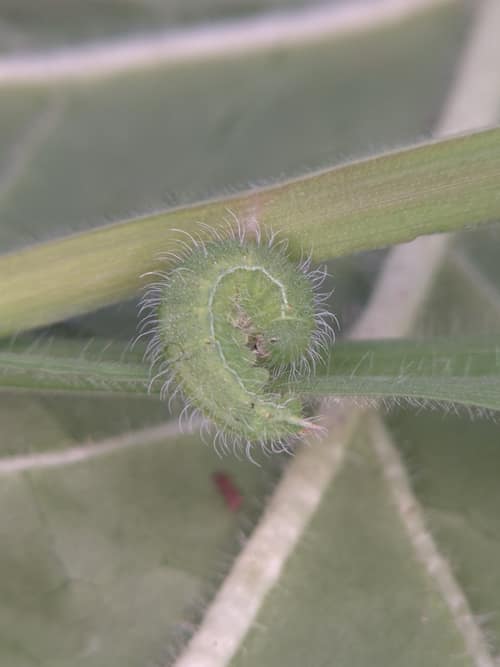
Close Relative (c) Céline, some rights reserved (CC BY), uploaded by Céline · cc-by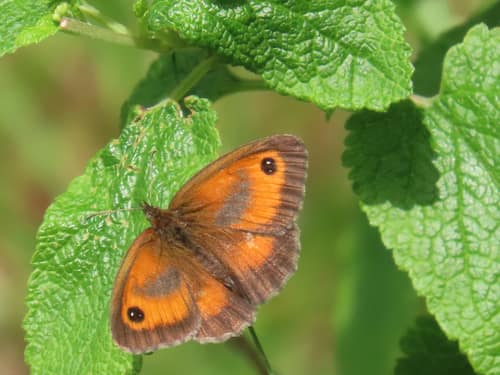
Close Relative (c) Viktor, some rights reserved (CC BY) · cc-by
Help improve the field guideSomething wrong?
Checking your Fauna account…Report a name, category, or profile issue for review.