
Insect · GBIF taxon 1892935
Puerto Rican Harlequin Butterfly
Atlantea tulitaAlso known as Harlequin Butterfly, Mariposa Harlequín
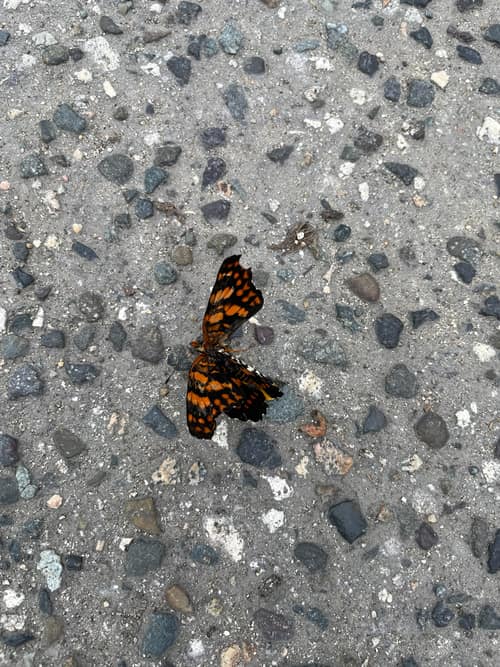
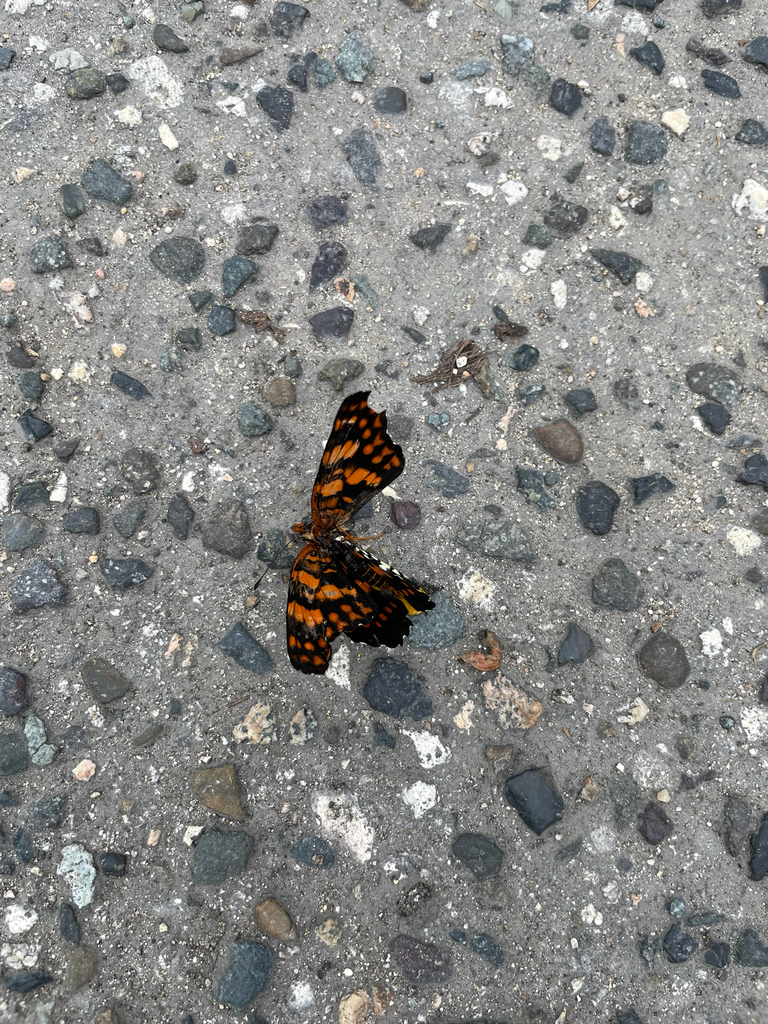
Puerto Rican harlequin butterflies display striking checkerboard patterns of vibrant orange, black, and pale yellow across their wings. Native exclusively to the karst region and moist forests of Puerto Rico, these brush-footed butterflies rely on a single plant species, the prickly bush, to lay their eggs and feed their larvae. Small, isolated populations render every wild encounter a special rare sight for local naturalists.
EndemicKarst SpecialistTropical
—observations
—countries
—peak records
EndangeredConservation statusIUCN Red List categoriesLCNTVUENCREWEXEndangeredRed List categories, explained →
Diet & prey
- Prickly Bush Nectar
- Wildflower Nectar
- Tree Sap
Predators
- Anole Lizards
- Insectivorous Birds
- Orb-weaver Spiders
ThreatsHabitat loss, forest clearing, extreme hurricanes, pesticide exposure
HabitatsSubtropical moist limestone forest, karst scrubland
Life span1–2 months as adult
Size / weightNot available
Classification
- FamilyNymphalidae
- SpeciesAtlantea tulita
Range data is not available yet.
Interaction riskLow
- Low
- Moderate
- High
- Very high
- Why interaction risk is low
- Safe to observe at a normal distance.
- What to notice
- Recognizable by its orange and black checkered wings with white marginal spots in karst forest habitats.
- Support conservation
- Observe quietly from trails without touching foliage or disturbing host plants.
Responsible observation
- Spotting: Search around host plant patches on sunny mornings in northern karst forests.
- Observation: Maintain a gentle distance to prevent fluttering adults from fleeing into brush.
- Habitat Protection: Stay on marked trails to safeguard vulnerable host vegetation.
 Image unavailable
Host Plant 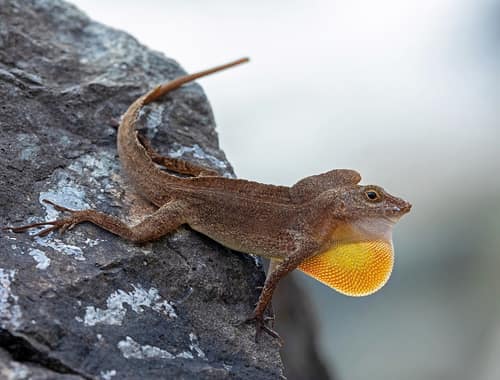
Predator (c) Thibaud Aronson, some rights reserved (CC BY-SA) / CC BY-SA 4.0 · cc-by-sa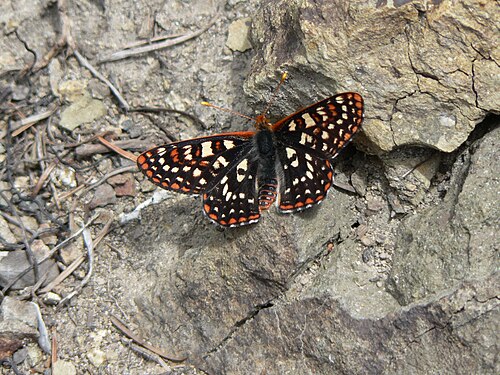
Close Relative Walter Siegmund (talk) / CC BY 2.5 · cc-by
Help improve the field guideSomething wrong?
Checking your Fauna account…Report a name, category, or profile issue for review.