
Insect
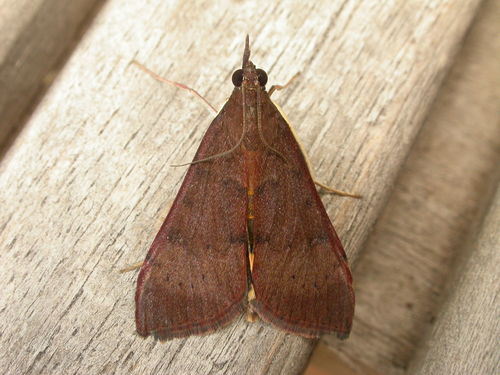
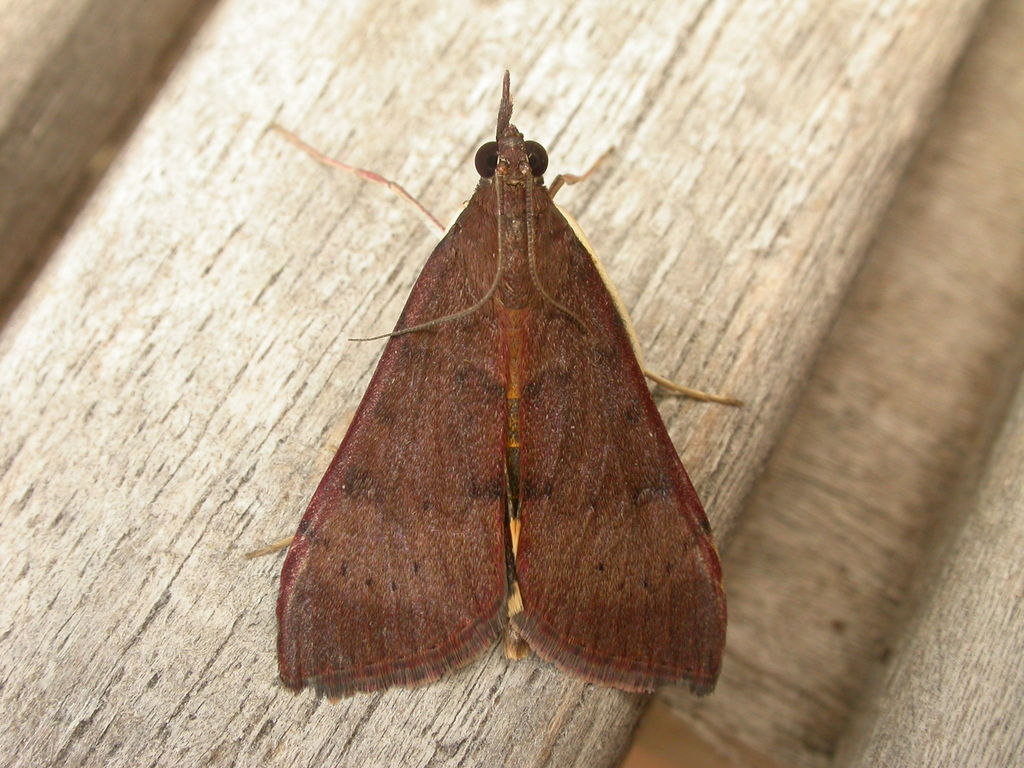
Tree Lucerne Moth
Uresiphita ornithopteralisTree lucerne moths pair mottled brown forewings with vivid orange-yellow hindwings bordered in dark brown, flashing the bright color when startled from daytime resting spots. Their boldly spotted caterpillars feed on leguminous shrubs such as tree lucerne and native peas, sequestering plant alkaloids that make both larvae and adults distasteful to many birds. Adults fly mainly at night across Australia, Norfolk Island, and New Zealand, readily visiting porch lights.
NocturnalColorfulHerbivorous
—observations
—countries
—peak records
Not EvaluatedConservation statusIUCN Red List categoriesLCNTVUENCREWEXNot Evaluated — not placed on the risk ladderRed List categories, explained →
Diet & preyTree lucerne leaves, Legume foliage, Flower nectar
Predators
- Insectivorous birds
- Bats
- Spiders
ThreatsInsectivorous birds, parasitic wasps, and garden pesticides
HabitatsWoodlands, heathlands, shrublands, gardens, and roadsides
Life spanSeveral weeks as an adult; multiple generations per year
Classification
- OrderLepidoptera
- FamilyCrambidae
- GenusUresiphita
- SpeciesUresiphita ornithopteralis
Range data is not available yet.
Interaction riskLow
- Low
- Moderate
- High
- Very high
- Why interaction risk is low
- Safe to observe at a normal distance.
Responsible observation
- Night Lights: Check outdoor porch lights after dusk, when adults frequently rest on nearby walls.
- Host Shrubs: Inspect tree lucerne and broom branches for caterpillars resting in loose silken webbing.
- Gentle Observation: Avoid touching larvae directly, as handling can dislodge them or damage their delicate hairs.
 Image unavailable
Host Plant 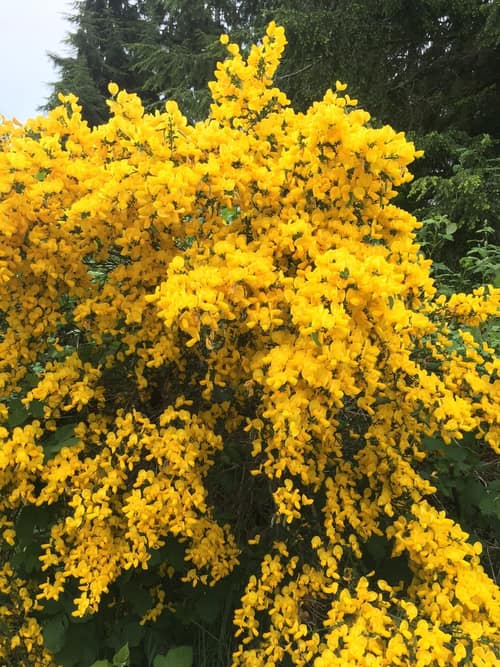
Host Plant (c) Jonathan Eyestone, some rights reserved (CC BY), uploaded by Jonathan Eyestone · cc-by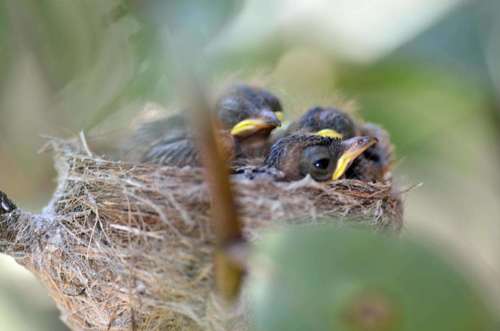
Predator (c) Chris Lindorff, some rights reserved (CC BY) · cc-byClose Relative
Keep collecting in Fauna
Found in Collections
Species set
Moonlight Marvels
Tree Lucerne Moth is found in this collection. Identify it in Fauna to fill this slot and continue your progress.
—/7
Help improve the field guideSomething wrong?
Checking your Fauna account…Report a name, category, or profile issue for review.