
Insect
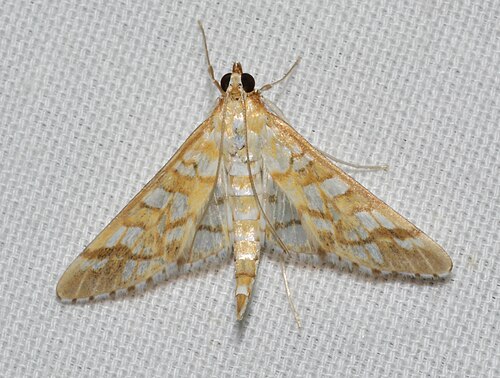
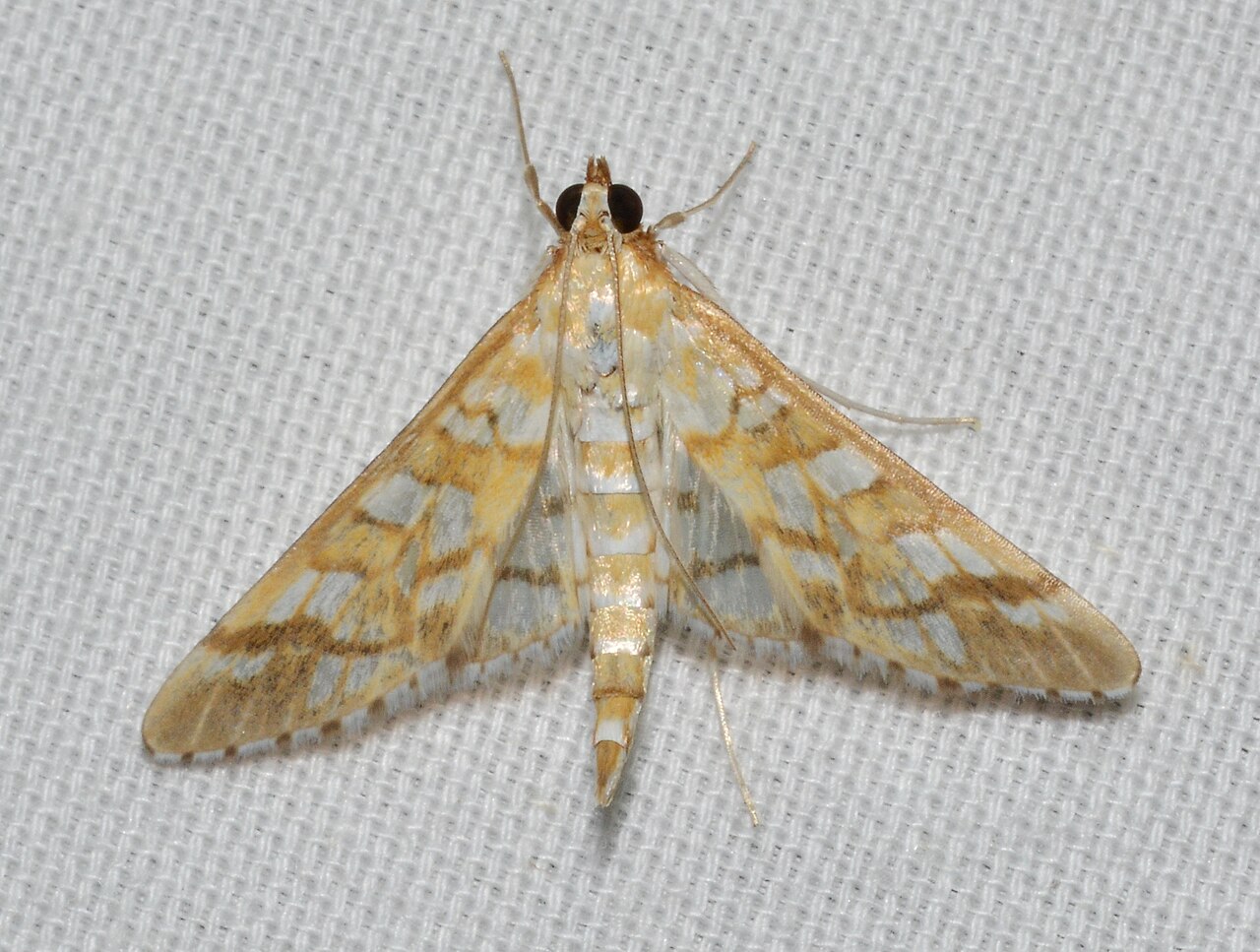
Epipagis huronalis
Epipagis huronalisAlso known as Huron Epipagis Moth, Huron Crambid
Huron epipagis moths display translucent, glassy patches across intricately patterned wings that gleam faintly in low light. Adults flutter low through warm, humid woodland understories and shrubby borders, flying erratically to evade foraging bats. Larvae develop on low-growing foliage, feeding discreetly before spinning subtle silken cocoons among leaf litter.
NocturnalMothSubtropical
—observations
—countries
—peak records
Not EvaluatedConservation statusIUCN Red List categoriesLCNTVUENCREWEXNot Evaluated — not placed on the risk ladderRed List categories, explained →
Diet & preyFlower nectar, Plant sap
Predators
- Insectivorous bats
- Orb-weaver spiders
- Songbirds
ThreatsHabitat loss, broad-spectrum pesticide use, and artificial light pollution.
HabitatsWoodland edges, coastal plains, subtropical thickets, and clearings.
Life span1–3 weeks as adults; roughly 1 year total life cycle.
Classification
- FamilyCrambidae
- SpeciesEpipagis huronalis
Range data is not available yet.
Interaction riskLow
- Low
- Moderate
- High
- Very high
- Why interaction risk is low
- Safe to observe at a normal distance.
Responsible observation
- Blacklight Stations: Hang a white sheet illuminated by ultraviolet light on warm summer nights to draw adults into view.
- Diffuse Illumination: Use a dim red headlamp to examine wing patterns without prompting the moth to drop into the leaf litter.
 Image unavailable
Family Member 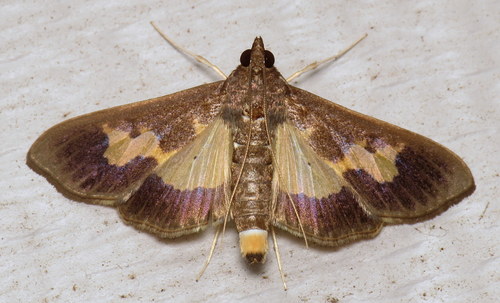
Family Member (c) Nick Block, some rights reserved (CC BY), uploaded by Nick Block · cc-byClose Relative
Help improve the field guideSomething wrong?
Checking your Fauna account…Report a name, category, or profile issue for review.