
Insect
Mediterranean Flour Moth
Ephestia kuehniellaAlso known as Mill Moth, Mediterranean Grain Moth
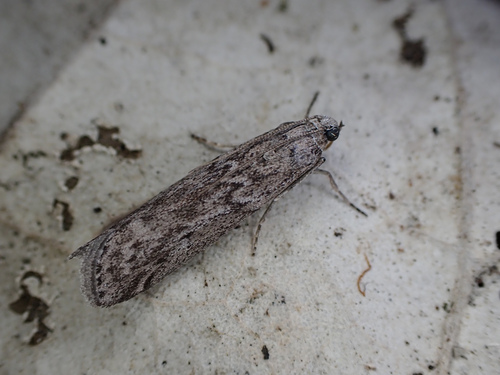
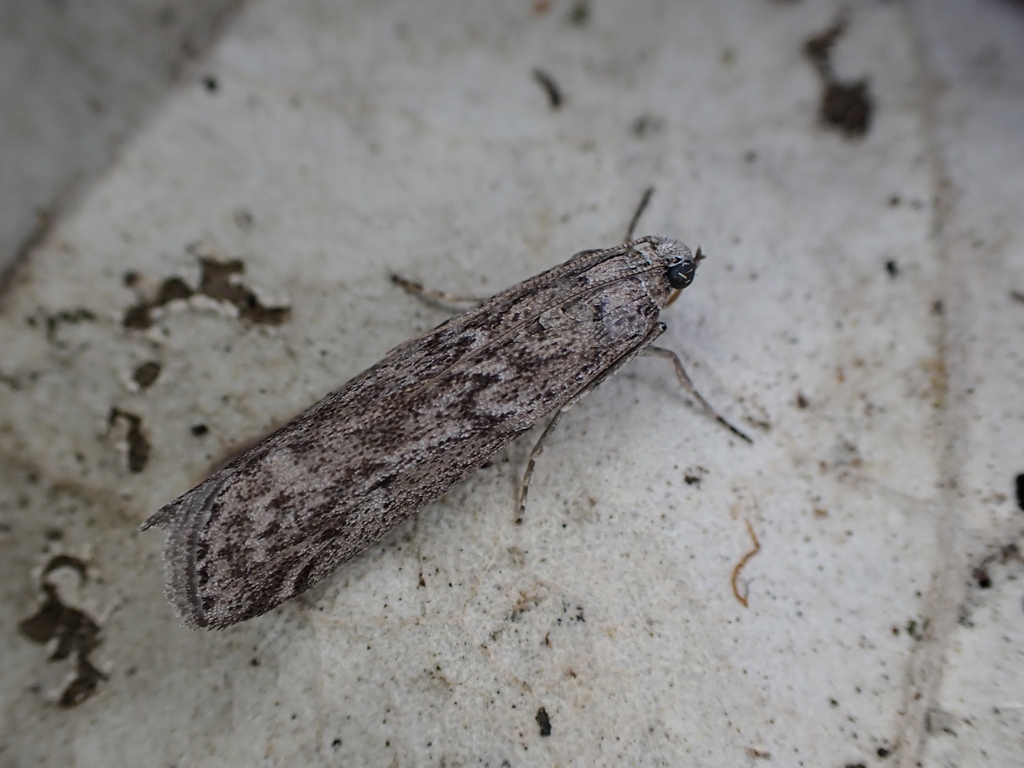
Pale grey forewings marked with subtle dark zigzags distinguish this widespread moth, which often rests with its head distinctly raised. Larvae spin dense mats of silken webbing through flour, grain dust, and cereal, clogging industrial mill machinery and spoiling stored foods. Females lay hundreds of tiny eggs directly on or near dry food supplies, allowing rapidly multiplying generations to thrive indoors year round.
Pantry PestCosmopolitanNocturnal
—observations
—countries
—peak records
Not EvaluatedConservation statusIUCN Red List categoriesLCNTVUENCREWEXNot Evaluated — not placed on the risk ladderRed List categories, explained →
Diet & preyWheat Flour, Cereal Grains, Dry Pet Food
Predators
- Parasitoid Wasps
- Spiders
- Predatory Beetles
ThreatsPest control measures, sanitation, and biological controls
HabitatsFlour mills, grain warehouses, bakeries, and home pantries
Life span30–90 days total life cycle; adults live 1–2 weeks
Classification
- OrderLepidoptera
- FamilyPyralidae
- GenusEphestia
- SpeciesEphestia kuehniella
Range data is not available yet.
Interaction riskLow
- Low
- Moderate
- High
- Very high
- Why interaction risk is low
- Harmless to humans and safe to observe at a normal distance.
Responsible observation
- Pantry Inspection: Check flour bags and grain containers for clumpy silken webbing.
- Pheromone Traps: Position sticky pheromone traps nearby to detect adult moth activity early.
- Cold Storage: Freeze newly purchased grains for 48 hours to destroy any hidden eggs.
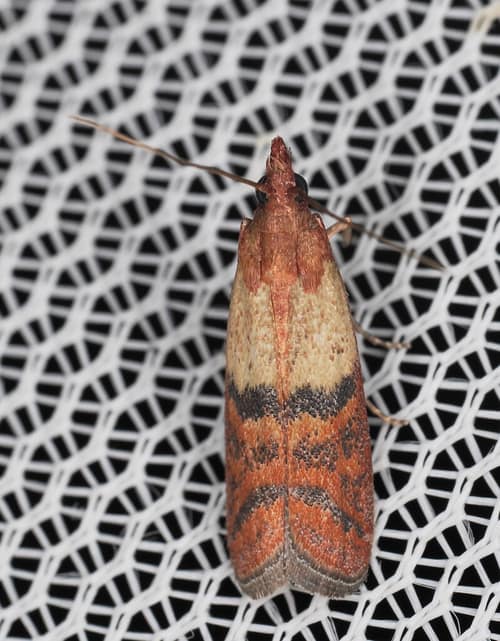
Competitor (c) Rosario Douglas, some rights reserved (CC BY), uploaded by Rosario Douglas · cc-by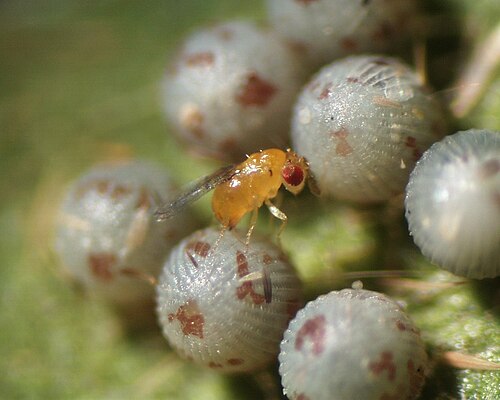
Parasite Dr Victor Fursov / CC BY-SA 4.0 · cc-by-sa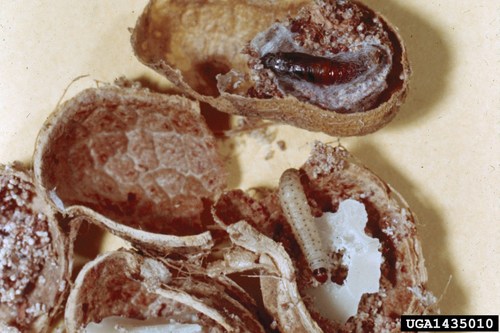
Close Relative (c) Clemson University - USDA Cooperative Extension Slide Series, some rights reserved (CC BY) · cc-by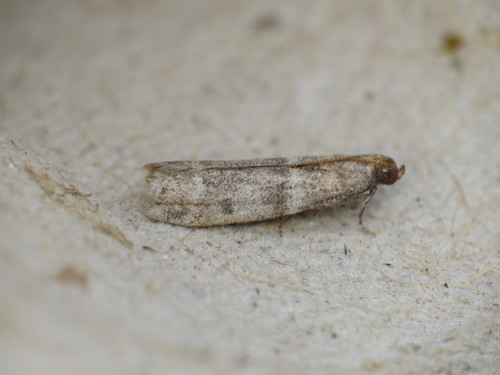
Close Relative (c) Donald Hobern, some rights reserved (CC BY) · cc-by
Keep collecting in Fauna
Found in Collections
Species set
Moonlight Marvels
Mediterranean Flour Moth is found in this collection. Identify it in Fauna to fill this slot and continue your progress.
—/7
Help improve the field guideSomething wrong?
Checking your Fauna account…Report a name, category, or profile issue for review.