
Insect
Dimorphic Tosale Moth
Tosale oviplagalisAlso known as Dimorphic Tosale
Dimorphic tosale moths exhibit dramatic sexual dimorphism, with females displaying rich reddish-brown forewings centered with a pale, oval costal patch, while males are smaller with distinct yellow-brown scaling. Adults fly throughout warm summer nights in eastern deciduous woodlands and surrounding suburban edges. The caterpillars serve as quiet nutrient recyclers, feeding primarily within leaf litter and fallen hardwood leaves on the forest floor.
NocturnalWoodlandDimorphic
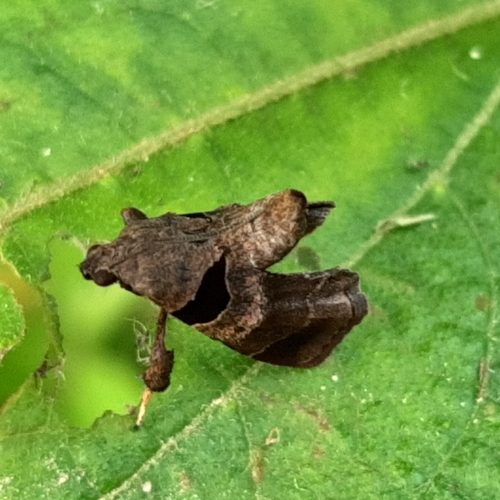
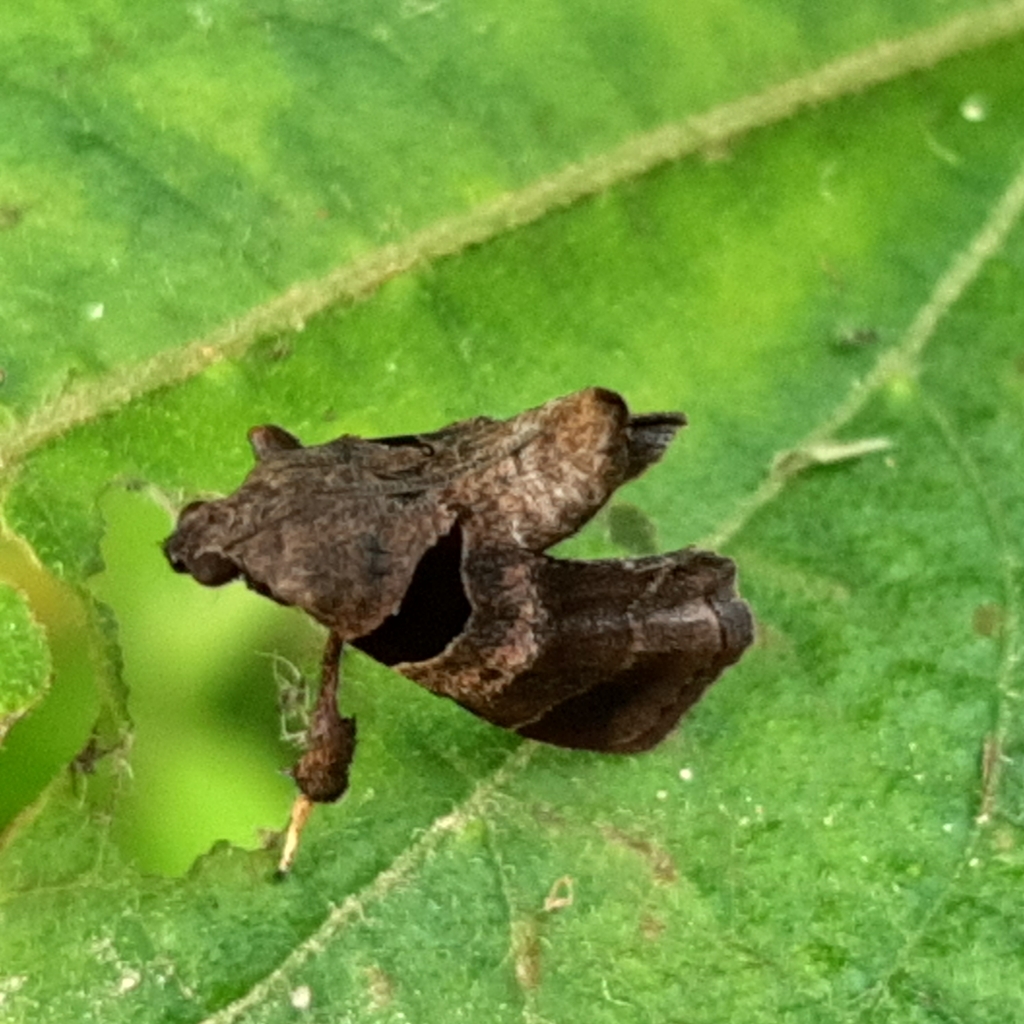
—observations
—countries
—peak records
Not EvaluatedConservation statusIUCN Red List categoriesLCNTVUENCREWEXNot Evaluated — not placed on the risk ladderRed List categories, explained →
Diet & preyDecaying leaf litter, Fallen oak leaves, Flower nectar
Predators
- Bats
- Orb-weaver spiders
- Insectivorous birds
ThreatsArtificial light pollution, pesticide application, and habitat fragmentation
HabitatsDeciduous forests, mixed woodlands, forest edges, and suburban gardens
Life spanSeveral months through full lifecycle; adults live 1–2 weeks
Classification
- OrderLepidoptera
- FamilyPyralidae
- GenusTosale
- SpeciesTosale oviplagalis
Range data is not available yet.
Interaction riskLow
- Low
- Moderate
- High
- Very high
- Why interaction risk is low
- Safe to observe at a normal distance.
Responsible observation
- Nighttime Spotting: Hang an ultraviolet or white sheet light near woods to draw active adults.
- Sex Identification: Look for the prominent pale oval patch on females to tell sexes apart.
- Daytime Searching: Inspect shaded tree trunks and shrub leaves where adults rest motionless.
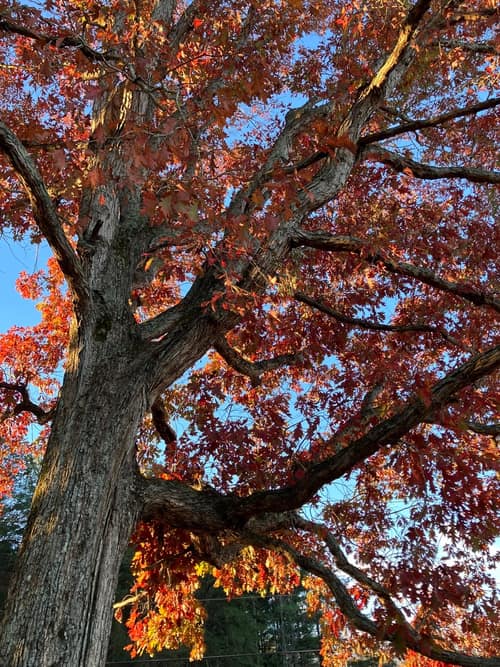
Larval Food Source (c) Alicia Ballard, some rights reserved (CC BY) · cc-by Image unavailable
Close Relative 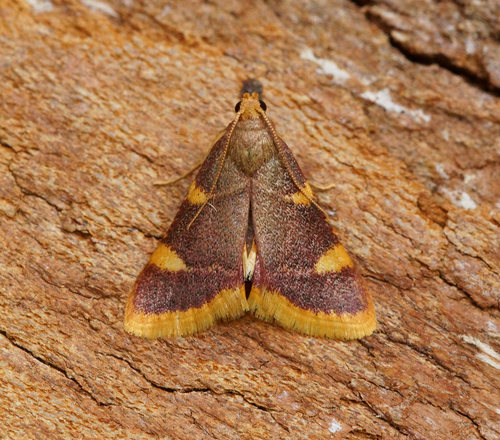
Family Member (c) Ben Sale, some rights reserved (CC BY) · cc-byClose Relative
Keep collecting in Fauna
Found in Collections
Species set
Moonlight Marvels
Dimorphic Tosale Moth is found in this collection. Identify it in Fauna to fill this slot and continue your progress.
—/7
Help improve the field guideSomething wrong?
Checking your Fauna account…Report a name, category, or profile issue for review.