
Insect · GBIF taxon 1870532
Cactus Moth
Cactoblastis cactorumAlso known as South American Cactus Moth, Nopal Moth
Female cactus moths deposit unique egg sticks resembling cactus spines directly onto prickly pear pads. Upon hatching, bright orange-and-black caterpillars burrow inside the plant stems, feeding gregariously and hollowing out the tissues until the cactus collapses into a decayed mass. Famous as a biological control agent that cleared millions of acres of invasive prickly pear in Australia, this moth now poses a severe threat to native cactus diversity and agricultural nopal crops in North America.
InvasiveCaterpillarAgricultural Pest
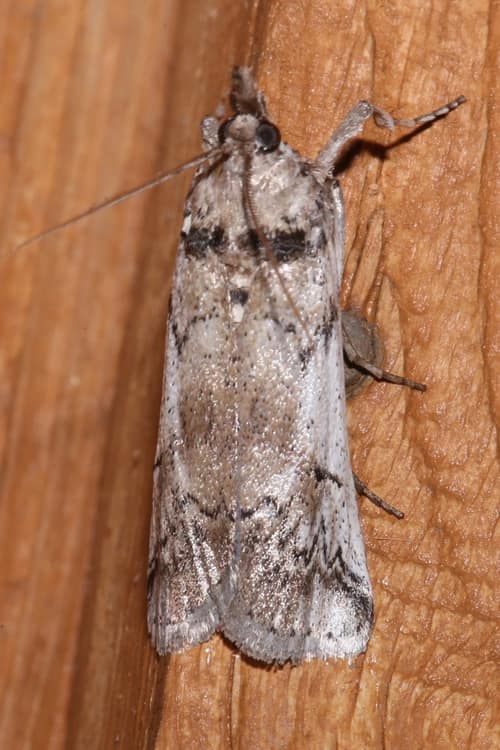
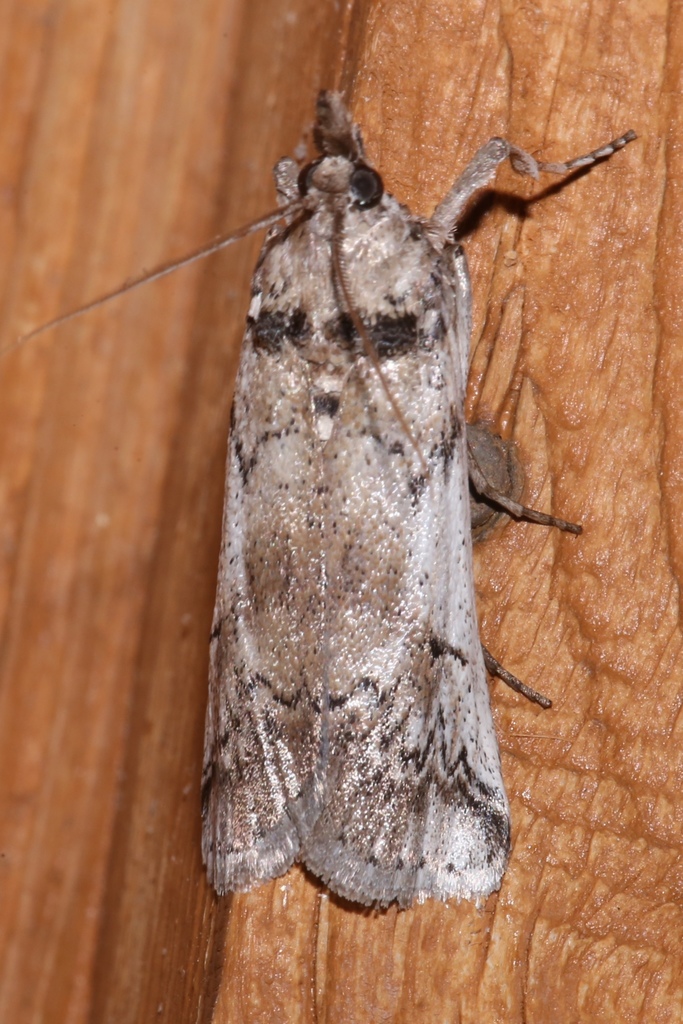 1 / 7
1 / 7—observations
—countries
—peak records
Not EvaluatedConservation statusIUCN Red List categoriesLCNTVUENCREWEXNot Evaluated — not placed on the risk ladderRed List categories, explained →
Diet & prey
- Prickly Pear Cactus
- Nopal Cactus
- Plains Prickly Pear
Predators
- Parasitoid Wasps
- Predatory Ants
- Insectivorous Birds
ThreatsParasitoid wasps, microbial pathogens, predatory ants
HabitatsArid scrublands, deserts, semi-arid pastures
Life spanAdults 9–11 days; full cycle 60–90 days
Classification
- FamilyPyralidae
- SpeciesCactoblastis cactorum
Range data is not available yet.
Interaction riskLow
- Low
- Moderate
- High
- Very high
- Why interaction risk is low
- Safe to observe at a normal distance.
Responsible observation
- Spotting Larvae: Look for distinct orange-and-black striped caterpillars inside rotting cactus pads.
- Checking Damage: Look for hollowed, yellowing prickly pear pads oozing clear or dark gelatinous sap.
- Egg Sticks: Search cactus spines for brown, stick-like stacks of eggs that resemble small thorns.
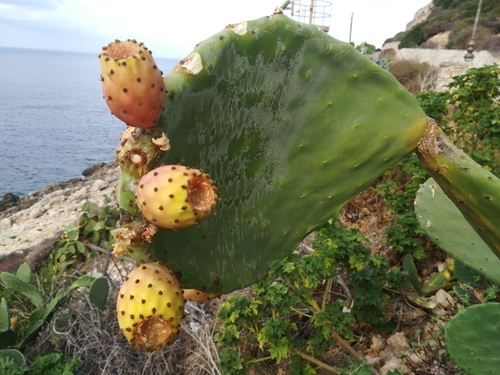
Host Plant no rights reserved, uploaded by Francesco Cecere · cc0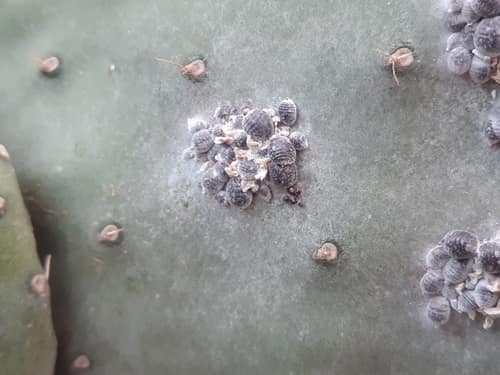
Competitor (c) tylototriton, some rights reserved (CC BY), uploaded by tylototriton · cc-by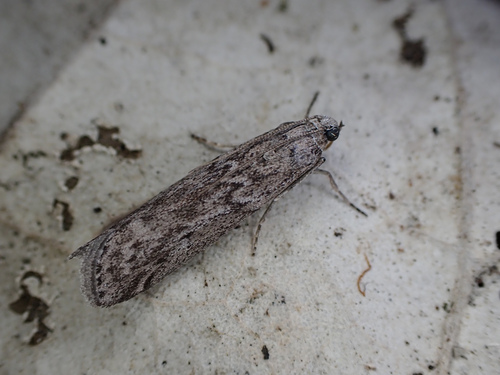
Close Relative (c) dr_robert, some rights reserved (CC BY) · cc-by
Help improve the field guideSomething wrong?
Checking your Fauna account…Report a name, category, or profile issue for review.