
Insect · GBIF taxon 1867023
Florida Oakworm Moth
Anisota consularisAlso known as Consular Oakworm Moth
Florida oakworm moths emerge in late summer and autumn across coastal hammocks and pine-oak woodlands of the southeastern United States. Adults lack functional mouthparts, relying exclusively on stored fat reserves to find mates and lay eggs during their brief adult lifespan. Social caterpillars feed in dense clusters on oak foliage before descending into sandy soil and leaf litter to pupate.
NocturnalSilkmothWoodland
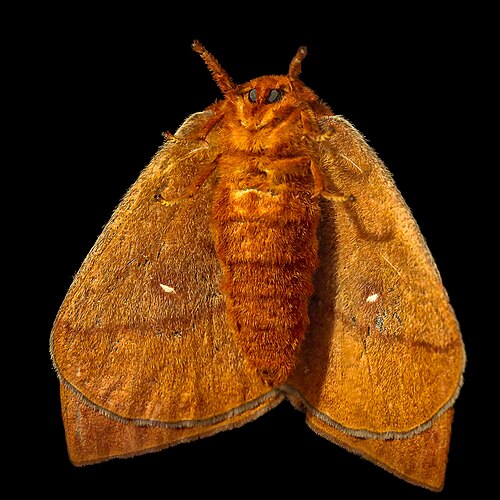
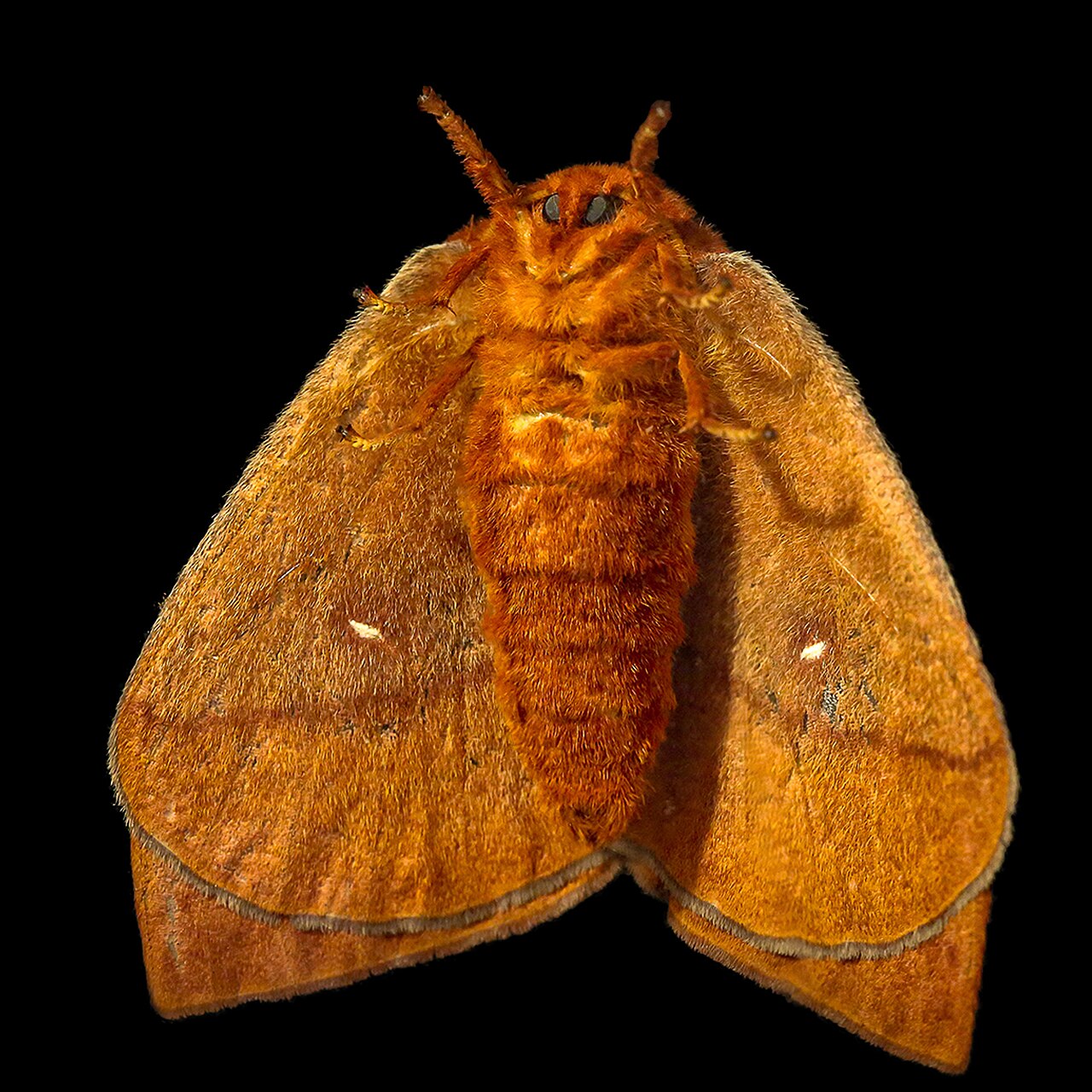
Licensed referenceEzra Katz / CC BY-SA 4.0 · cc-by-sa
—observations
—countries
—peak records
Not EvaluatedConservation statusIUCN Red List categoriesLCNTVUENCREWEXNot Evaluated — not placed on the risk ladderRed List categories, explained →
Diet & prey
- Live oak leaves
- Water oak leaves
- Turkey oak leaves
Predators
- Songbirds
- Parasitoid wasps
- Bats
ThreatsHabitat fragmentation, broad-spectrum pesticide spraying, and artificial light pollution
HabitatsPine-oak scrub, maritime hammocks, and mixed hardwood forests
Life spanAdults live 5–10 days; annual life cycle
Classification
- OrderLepidoptera
- FamilySaturniidae
- GenusAnisota
- SpeciesAnisota consularis
Range data is not available yet.
Interaction riskLow
- Low
- Moderate
- High
- Very high
- Why interaction risk is low
- Safe to observe at a normal distance.
Responsible observation
- Night Observation: Check illuminated walls or porch lights near mature oak stands during warm autumn nights.
- Foliage Searching: Inspect lower branches of live oaks in late summer to spot clusters of feeding caterpillars.
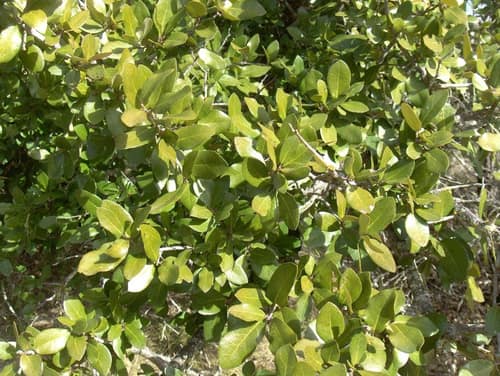
Host Plant Homer Edward Price / CC BY 2.0 · CC BY 2.0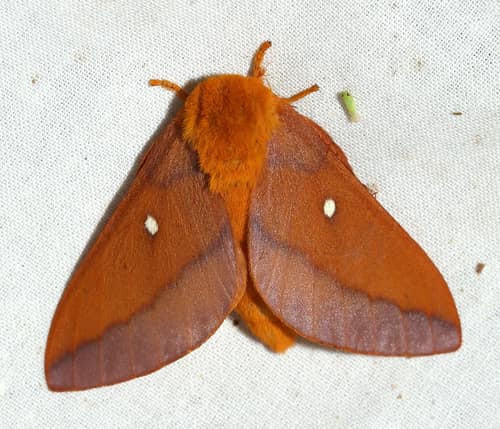
Close Relative (c) David George, some rights reserved (CC BY) · cc-by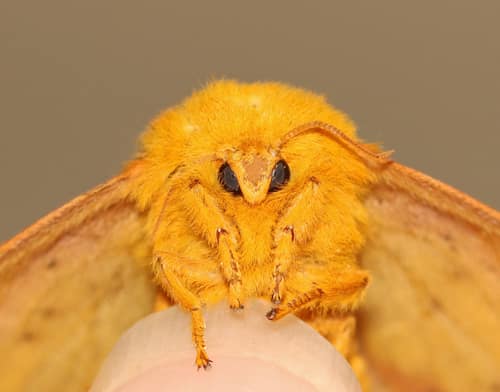
Close Relative (c) Christine Young, some rights reserved (CC BY) · cc-by
Keep collecting in Fauna
Found in Collections
Species set
Moonlight Marvels
Florida Oakworm Moth is found in this collection. Identify it in Fauna to fill this slot and continue your progress.
—/7
Help improve the field guideSomething wrong?
Checking your Fauna account…Report a name, category, or profile issue for review.