
Insect · GBIF taxon 1863407
Small-eyed Sphinx
Paonias myopsSmall-eyed sphinx moths feature rich chocolate-brown forewings patterned with fine wavy lines that mimic tree bark when resting. When threatened, they shift their wings to expose striking blue eye-spots centered in bright yellow patches on the hindwings. Because adult moths lack functional mouthparts, they do not feed and spend their brief adult lives solely searching for mates.
NocturnalMothCamouflaged
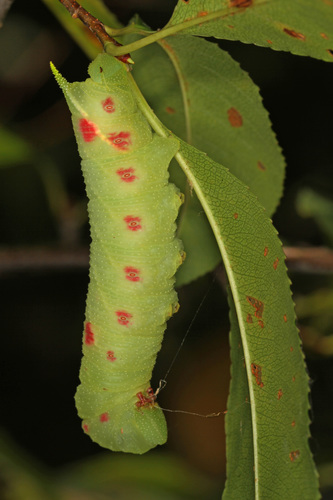
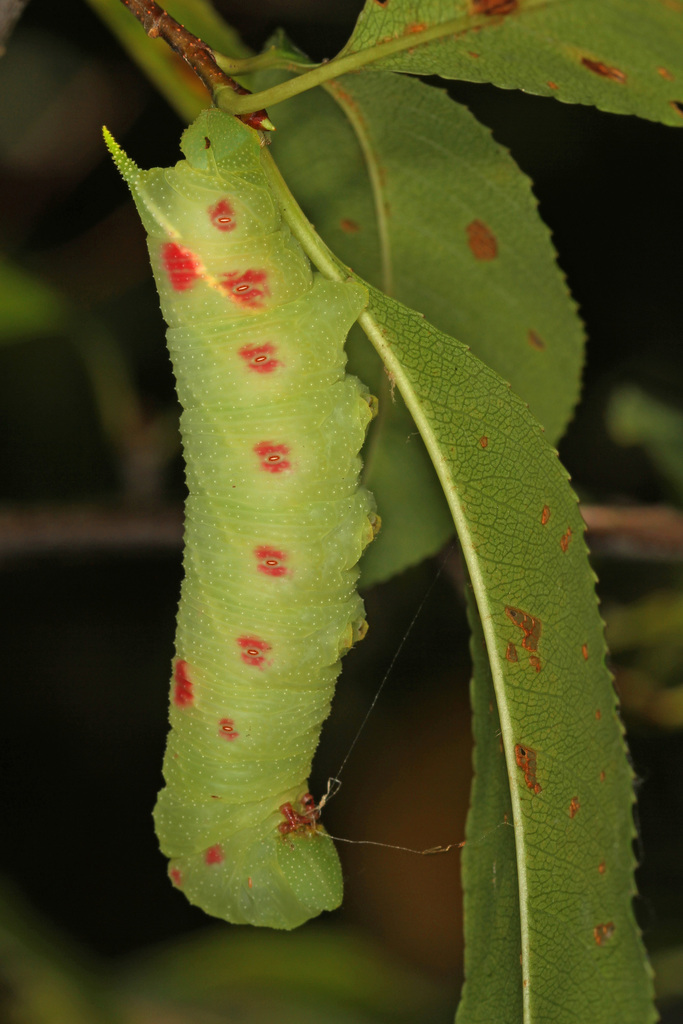
—observations
—countries
—peak records
Least ConcernConservation statusIUCN Red List categoriesLCNTVUENCREWEXLeast ConcernRed List categories, explained →
Diet & prey
- Black cherry leaves
- Serviceberry leaves
- Hawthorn leaves
Predators
- Bats
- Songbirds
- Spiders
ThreatsArtificial night lighting, habitat fragmentation, and pesticide spraying.
HabitatsDeciduous forests, woodland edges, orchards, and suburban yards.
Life spanAdults live 1–2 weeks; total life cycle is 1 year.
Classification
- FamilySphingidae
- SpeciesPaonias myops
Range data is not available yet.
Interaction riskLow
- Low
- Moderate
- High
- Very high
- Why interaction risk is low
- Safe to observe at a normal distance.
Responsible observation
- Night Lighting: Attract visiting adults during summer nights using a ultraviolet blacklight on a white sheet.
- Native Planting: Grow native wild cherry or serviceberry trees to provide essential caterpillar host foliage.
- Gentle Relocation: Use a sheet of paper rather than fingers to move a moth trapped indoors to avoid wing damage.
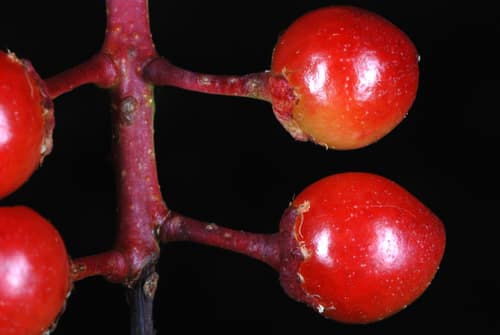
Host Plant (c) Douglas Goldman, some rights reserved (CC BY-SA), uploaded by Douglas Goldman · cc-by-sa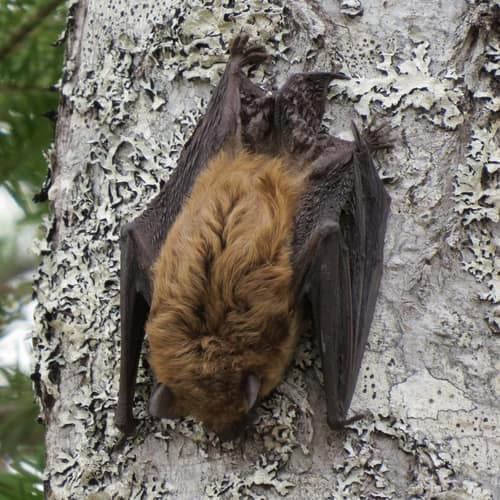
Predator (c) Fyn Kynd, some rights reserved (CC BY) · cc-by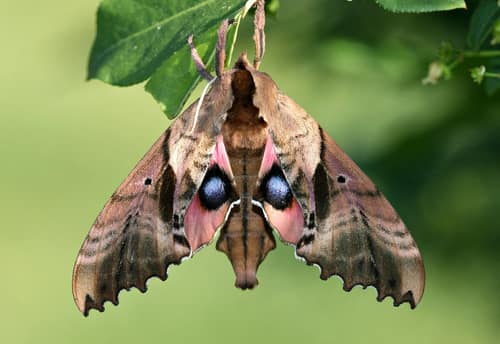
Close Relative (c) John Flannery, some rights reserved (CC BY-SA) · cc-by-sa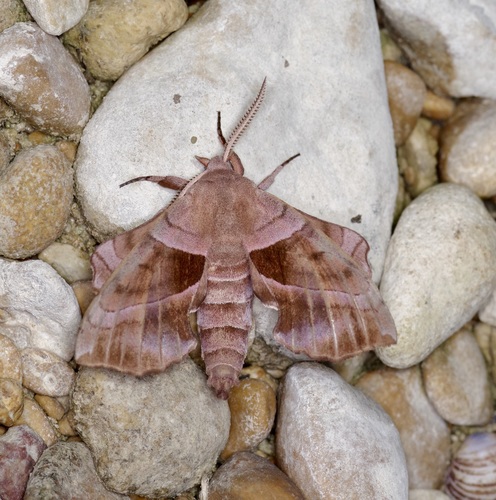
Close Relative (c) Michelle W. (鍾偉瑋), some rights reserved (CC BY) · cc-by Image unavailable
Close Relative 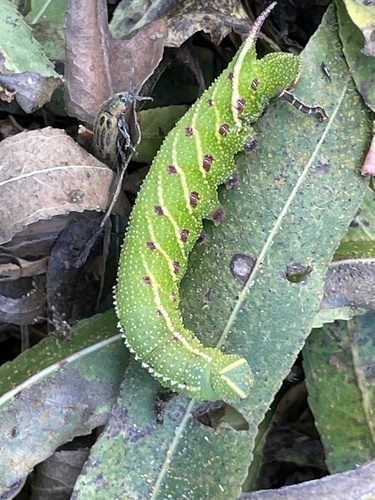
Close Relative no rights reserved, uploaded by kent ozment · cc0
Help improve the field guideSomething wrong?
Checking your Fauna account…Report a name, category, or profile issue for review.