
Insect · GBIF taxon 1861851
Hummingbird Clearwing
Hemaris thysbeAlso known as Common Clearwing, Hummingbird Moth
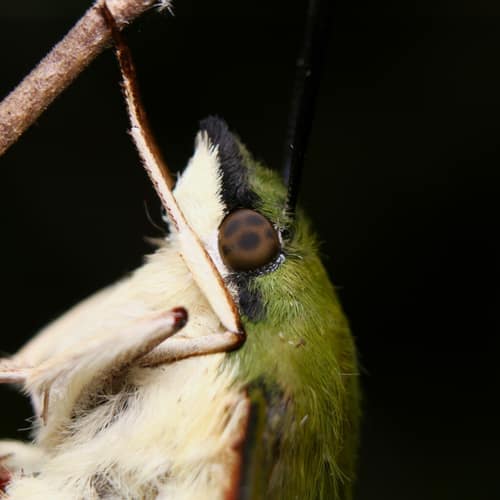
Hummingbird clearwings are striking diurnal hawkmoths that dart effortlessly between blossoms, hovering in place while extending a long proboscis to drink nectar. Their transparent wing panels and olive-green thorax give them a remarkable resemblance to tiny ruby-throated hummingbirds. Hornworm caterpillars feed on plants like honeysuckle and viburnum before spinning loose cocoons among leaf litter to overwinter.
DiurnalPollinatorMimic

—observations
—countries
—peak records
Least ConcernConservation statusIUCN Red List categoriesLCNTVUENCREWEXLeast ConcernRed List categories, explained →
Diet & prey
- Nectar from bee balm
- Nectar from phlox
- Nectar from verbena
Predators
- Birds
- Spiders
- Praying Mantises
ThreatsPesticide use, habitat loss
HabitatsGardens, meadows, forest edges, open woodlands
Life spanUp to 7 months; adults live 2–3 weeks
Size / weightNot available
Classification
- OrderLepidoptera
- FamilySphingidae
- GenusHemaris
- SpeciesHemaris thysbe
Range data is not available yet.
Interaction riskLow
- Low
- Moderate
- High
- Very high
- Why interaction risk is low
- Safe to observe at a normal distance.
Responsible observation
- Garden Plants: Plant native bee balm, phlox, and verbena to attract feeding adults during sunny afternoons.
- Photography: Use a fast shutter speed of at least 1/1000 second to freeze their rapidly beating wings.
- Leaf Litter: Leave fallen garden leaves intact over winter to protect pupae cocooned on the ground.
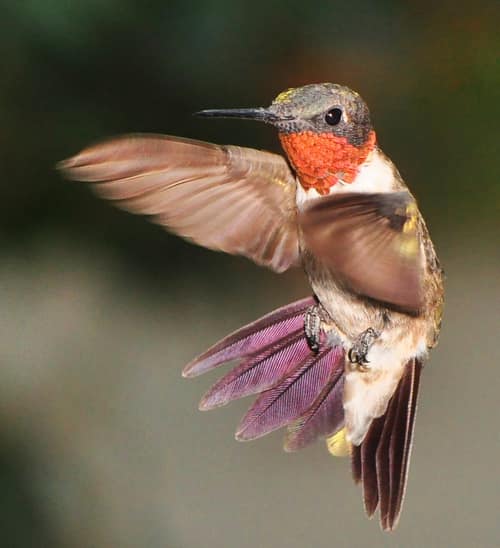
Visual Mimic jeffreyw / CC BY 2.0 · cc-by
Host Plant (c) Rob Routledge, Sault College, Bugwood.org, some rights reserved (CC BY) · cc-by
Close Relative (c) Marvin Smith, some rights reserved (CC BY-SA) · cc-by-sa
Keep collecting in Fauna
Found in Collections
Species set
Moonlight Marvels
Hummingbird Clearwing is found in this collection. Identify it in Fauna to fill this slot and continue your progress.
—/7
Help improve the field guideSomething wrong?
Checking your Fauna account…Report a name, category, or profile issue for review.