
Insect · GBIF taxon 1859046
Morning-glory Plume Moth
Emmelina monodactylaAlso known as Common Plume, Common Plume Moth, T-Moth
Morning-glory plume moths resting on foliage mimic dried grass blades or twigs by rolling their narrow forewings and holding them perpendicular to their bodies in a distinct T-shape. Active from early spring into late autumn, adults overwinter in sheltered spots like hollow trees, dense ivy, or outbuildings. Caterpillars feed primarily on bindweed and wild morning glory leaves, leaving small irregular holes along the foliage.
NocturnalCamouflagedWidespread
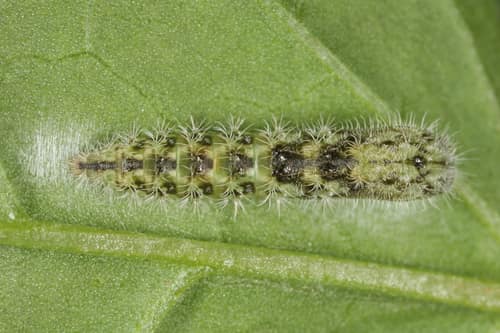
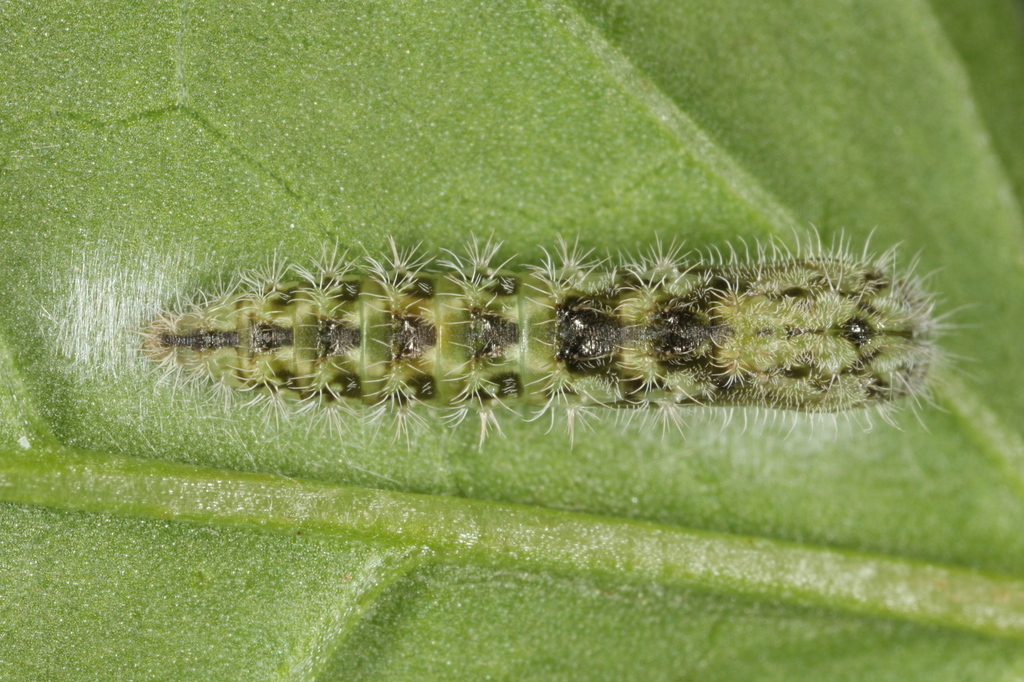
—observations
—countries
—peak records
Not EvaluatedConservation statusIUCN Red List categoriesLCNTVUENCREWEXNot Evaluated — not placed on the risk ladderRed List categories, explained →
Diet & prey
- Field bindweed foliage
- Hedge bindweed foliage
- Morning glory nectar
Predators
- Spiders
- Bats
- Insectivorous birds
ThreatsPesticide application and widespread removal of host plants.
HabitatsGardens, meadows, roadsides, and agricultural fields.
Life spanUp to 1 year, overwintering as adults.
Classification
- OrderLepidoptera
- FamilyPterophoridae
- GenusEmmelina
- SpeciesEmmelina monodactyla
Range data is not available yet.
Interaction riskLow
- Low
- Moderate
- High
- Very high
- Why interaction risk is low
- Safe to observe at a normal distance.
Responsible observation
- Nighttime viewing: Look around porch lights and garden walls after sunset where adults gather.
- Finding larvae: Inspect the undersides of bindweed leaves for small green caterpillars and silk webs.
- Close observation: Approach slowly with a soft torch light, as resting adults usually stay still.
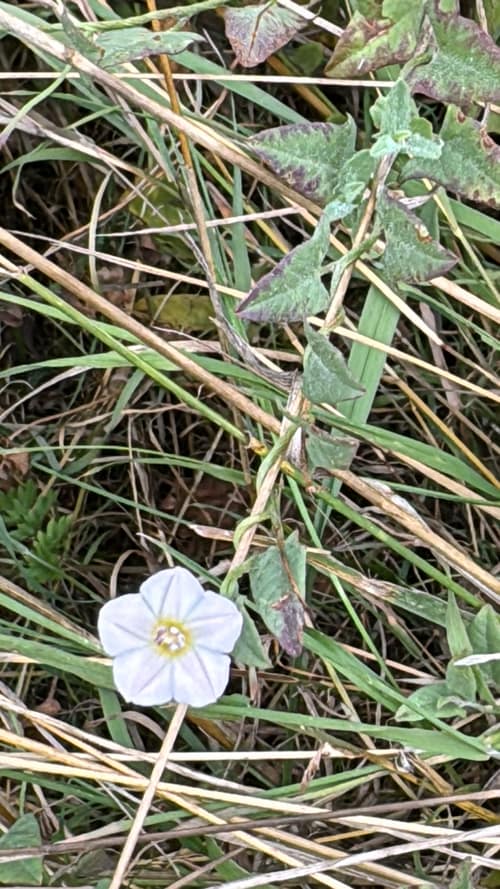
Host Plant (c) William Stephens, some rights reserved (CC BY) · cc-by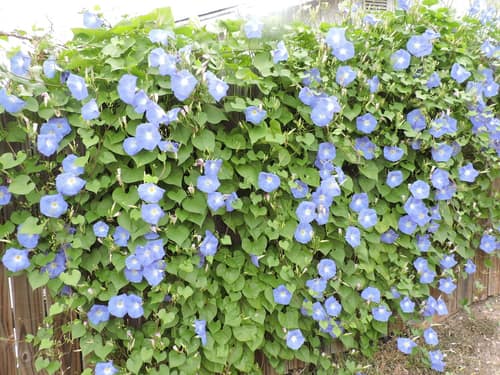
Host Plant (c) Sam Kieschnick, some rights reserved (CC BY), uploaded by Sam Kieschnick · cc-by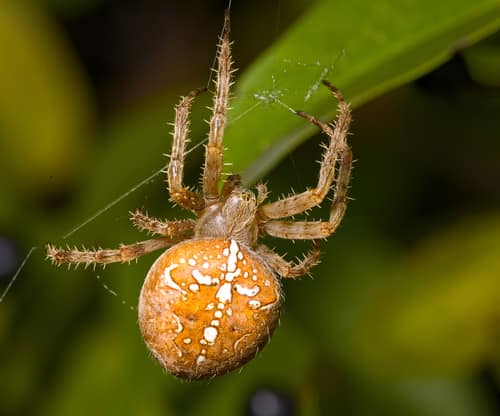
Predator (c) hedera.baltica, some rights reserved (CC BY-SA) · cc-by-sa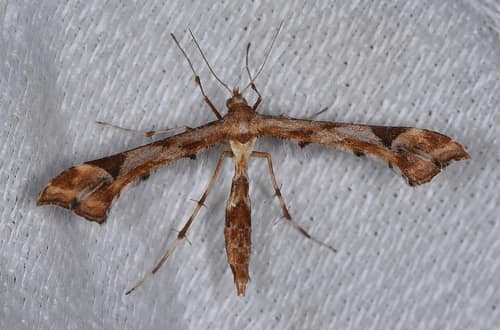
Close Relative Don Loarie / CC BY 2.0 · cc-by
Keep collecting in Fauna
Found in Collections
Species set
Moonlight Marvels
Morning-glory Plume Moth is found in this collection. Identify it in Fauna to fill this slot and continue your progress.
—/7
Help improve the field guideSomething wrong?
Checking your Fauna account…Report a name, category, or profile issue for review.