
Insect
Oxycanus antipoda
Oxycanus antipodaOxycanus antipoda spends the vast majority of its life underground, where caterpillars bore deep tunnels into damp soil and feed silently on the subterranean root networks of native trees and grasses. Synchronized mass emergences occur after soaking autumn rains, when adults erupt from the ground at dusk in an explosive, erratic flurry of flight to locate mates before night falls. Equipped with vestigial mouthparts, mature moths live for only a matter of days entirely off stored larval lipids, broadcasting thousands of tiny eggs across the forest floor.
NocturnalWoodlandShort-Lived Adult
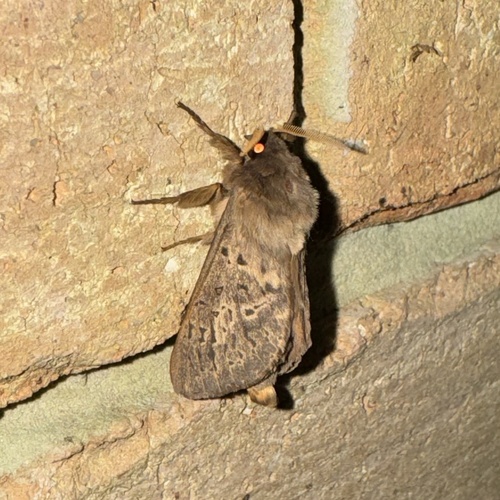
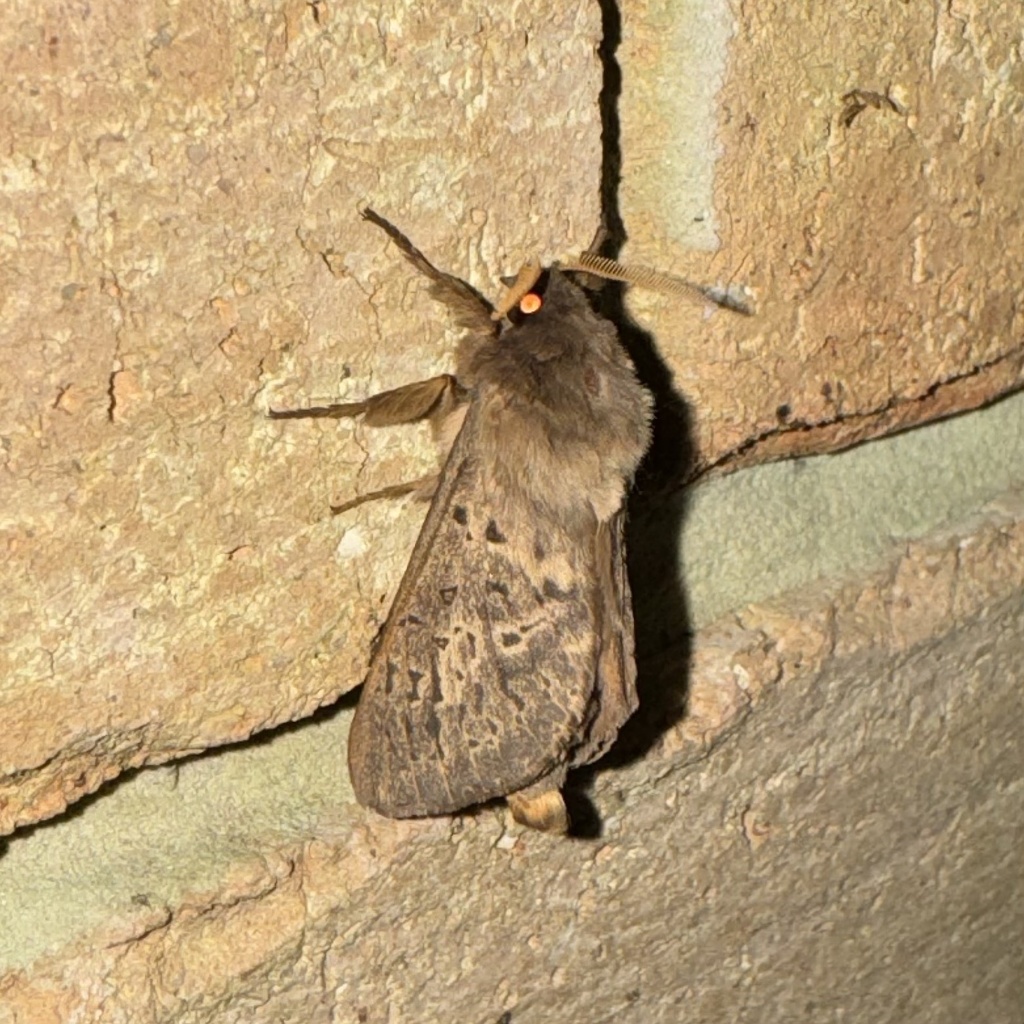
—observations
—countries
—peak records
Not EvaluatedConservation statusIUCN Red List categoriesLCNTVUENCREWEXNot Evaluated — not placed on the risk ladderRed List categories, explained →
Diet & preyEucalypt roots, Grass roots, Subterranean plant matter
Predators
- Insectivorous bats
- Tawny frogmouth
- Southern brown bandicoot
ThreatsHabitat fragmentation, artificial light pollution, and altered fire regimes
HabitatsEucalypt woodlands, temperate wet sclerophyll forests, heathlands, and rural pastures
Life span1–2 years as larva; 2–4 days as adult
Classification
- OrderLepidoptera
- FamilyHepialidae
- GenusOxycanus
- SpeciesOxycanus antipoda
Range data is not available yet.
Interaction riskLow
- Low
- Moderate
- High
- Very high
- Why interaction risk is low
- Safe to observe at a normal distance.
Responsible observation
- Light Attraction: Set up an outdoor light sheet on damp autumn nights to view arriving adults.
- Minimize Handling: Avoid touching adults because they exhaust finite energy reserves very quickly.
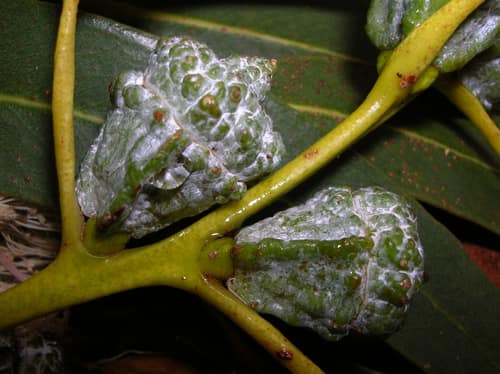
Host Plant (c) Forest and Kim Starr, some rights reserved (CC BY) · cc-by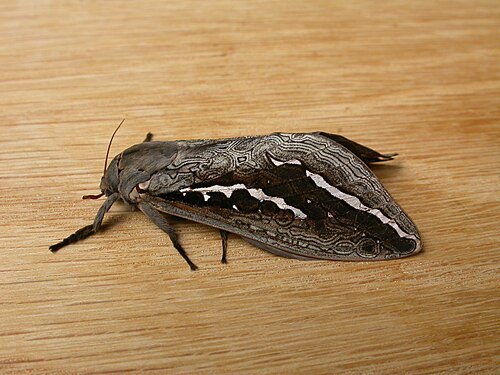
Same Family dhobern / CC BY 2.0 · cc-by Image unavailable
Same Family
Keep collecting in Fauna
Found in Collections
Species set
Moonlight Marvels
Oxycanus antipoda is found in this collection. Identify it in Fauna to fill this slot and continue your progress.
—/7
Help improve the field guideSomething wrong?
Checking your Fauna account…Report a name, category, or profile issue for review.