
Insect
Yellow-necked Caterpillar Moth
Datana ministraAlso known as Yellow-necked Caterpillar, Yellownecked Datana
Adult yellow-necked caterpillar moths hide in plain sight during the day, folding their warm cinnamon-brown wings tight to mimic dried foliage or bark. Clusters of distinctive black-and-yellow-striped larvae congregate on deciduous branches in late summer, lifting both their heads and tails into a rigid U-shape when threatened. While colonial feeding can noticeably strip outer canopies of walnuts, oaks, and fruit trees, trees typically recover without lasting harm before autumn leaf drop.
NocturnalCaterpillarDeciduous Forest
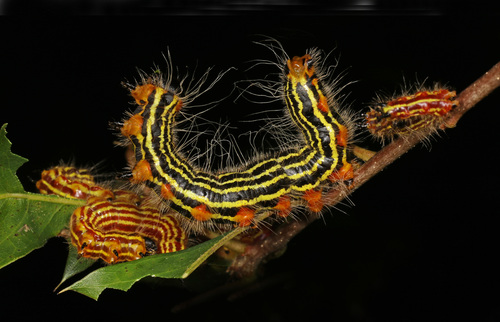
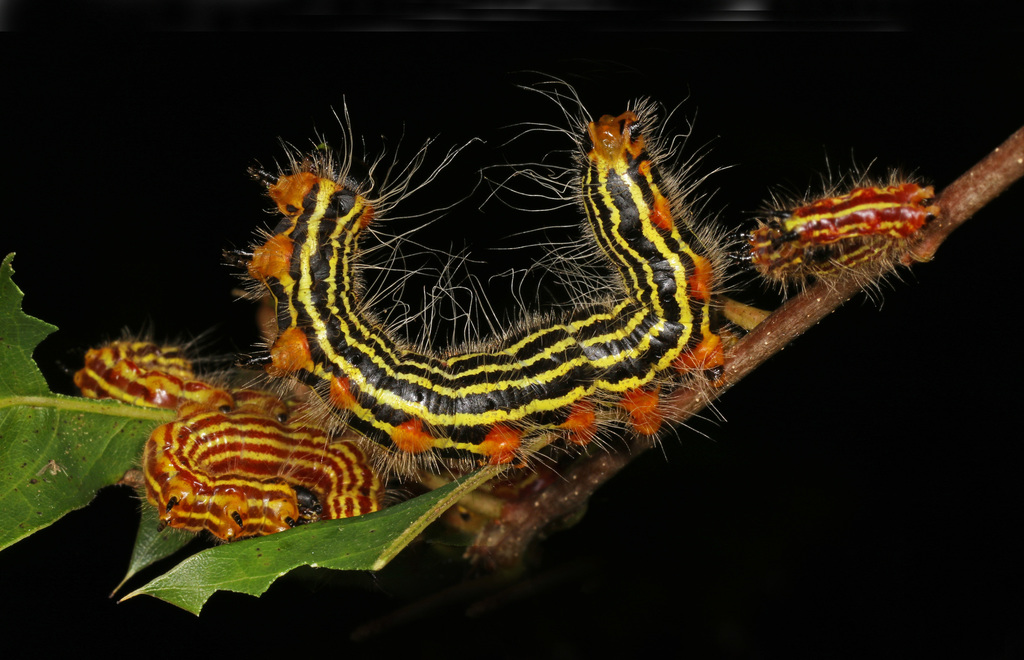
—observations
—countries
—peak records
Not EvaluatedConservation statusIUCN Red List categoriesLCNTVUENCREWEXNot Evaluated — not placed on the risk ladderRed List categories, explained →
Diet & preyOak Leaves, Apple Leaves, Walnut Leaves
Predators
- Tachinid Flies
- Parasitoid Wasps
- Downy Woodpeckers
ThreatsPesticide application, habitat destruction, and extreme weather
HabitatsDeciduous woodlands, orchards, forest edges, and suburban gardens
Life span1 year
Classification
- OrderLepidoptera
- FamilyNotodontidae
- GenusDatana
- SpeciesDatana ministra
Range data is not available yet.
Interaction riskLow
- Low
- Moderate
- High
- Very high
- Why interaction risk is low
- Harmless to humans; larvae and adults can be observed closely on host foliage.
Responsible observation
- Spotting Larvae: Search lower canopy branches of oaks and walnuts for tight clusters in late summer.
- Observing Defense: Lightly brush an adjacent twig to watch the group rear up into synchronous defensive postures.
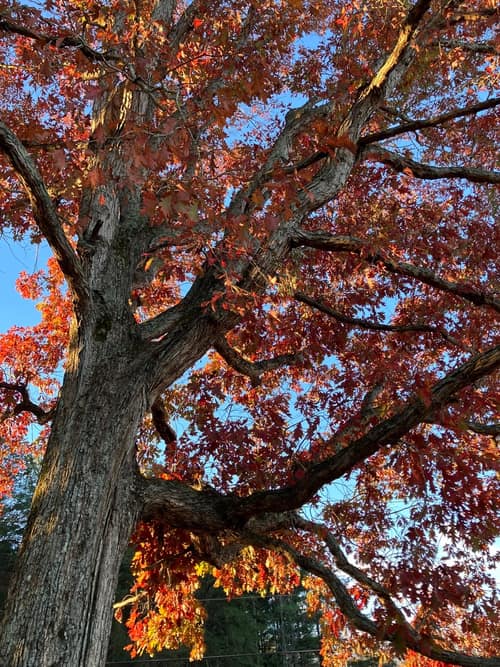
Host Plant (c) Alicia Ballard, some rights reserved (CC BY) · cc-by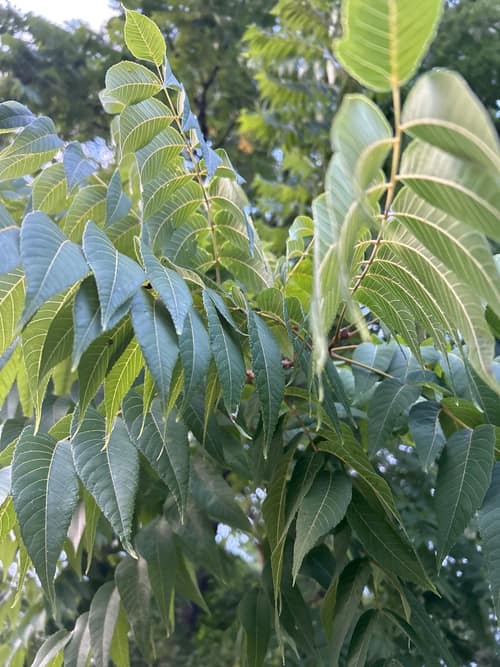
Host Plant (c) SalamiRaptor, some rights reserved (CC BY-SA), uploaded by SalamiRaptor · cc-by-sa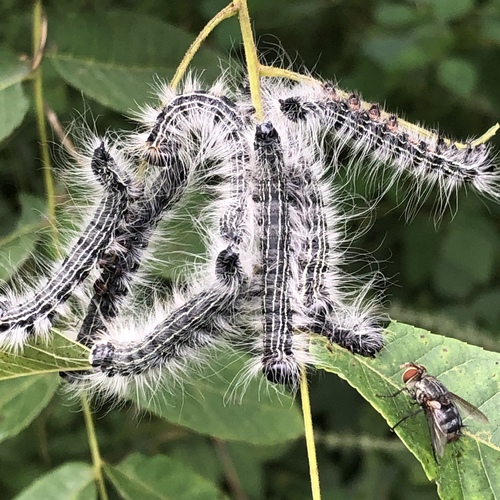
Close Relative (c) Christopher Zacharias, some rights reserved (CC BY), uploaded by Christopher Zacharias · cc-by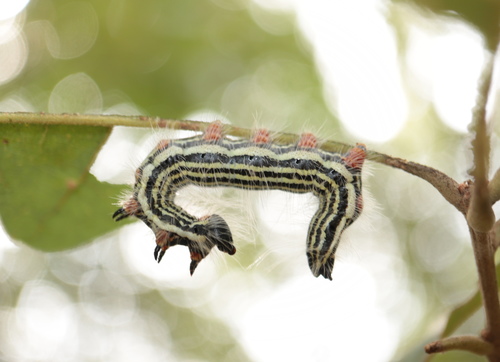
Close Relative (c) Jeff Clark, some rights reserved (CC BY), uploaded by Jeff Clark · cc-by
Keep collecting in Fauna
Found in Collections
Species set
Moonlight Marvels
Yellow-necked Caterpillar Moth is found in this collection. Identify it in Fauna to fill this slot and continue your progress.
—/7
Help improve the field guideSomething wrong?
Checking your Fauna account…Report a name, category, or profile issue for review.