
Insect
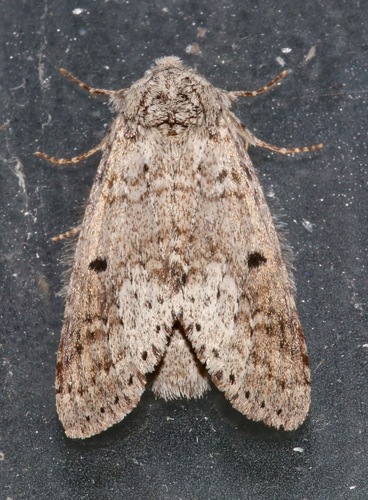
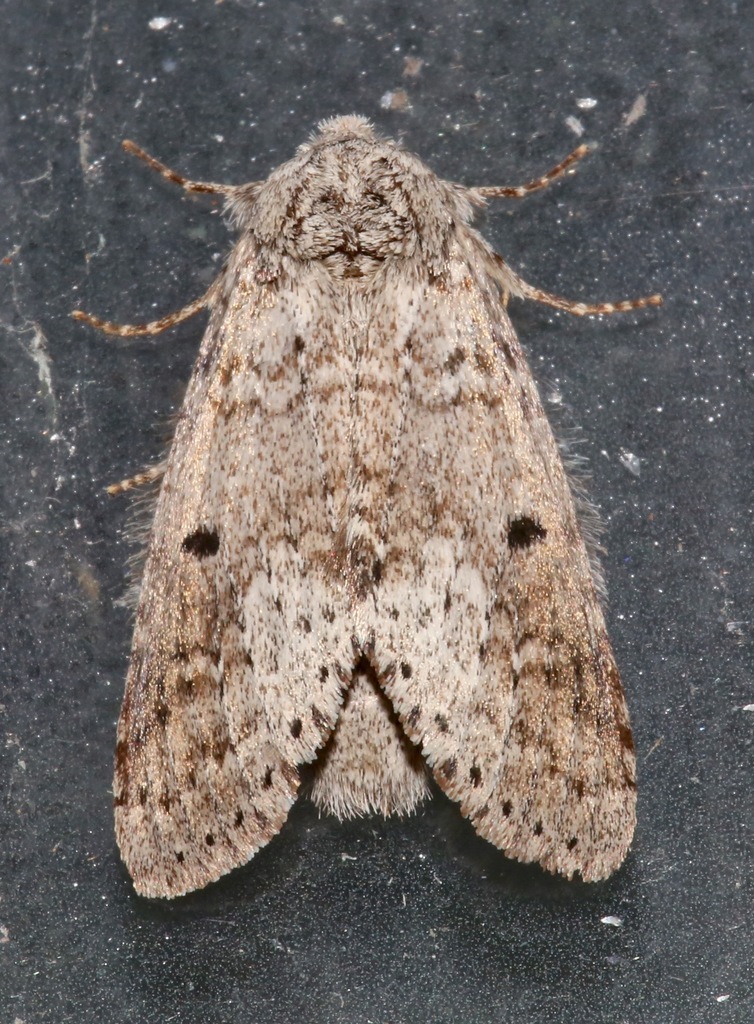
Variable Oakleaf Caterpillar Moth
Lochmaeus manteoAlso known as Variable Oakleaf Prominent
Variable oakleaf caterpillar moths are cryptically colored Prominent moths that blend seamlessly against tree bark during the day. Their caterpillars display remarkably diverse color patterns, ranging from bright green with red dorsal stripes to heavily blotched reddish-brown forms. When threatened, mature caterpillars can spray defensive formic acid from a specialized gland near their head.
MothCamouflageForest Pest
—observations
—countries
—peak records
Not EvaluatedConservation statusIUCN Red List categoriesLCNTVUENCREWEXNot Evaluated — not placed on the risk ladderRed List categories, explained →
Diet & preyOak Leaves, Beech Leaves, Birch Leaves
Predators
- Songbirds
- Parasitoid Wasps
- Ground Beetles
ThreatsPesticide spraying, habitat loss, and extreme weather
HabitatsEastern deciduous forests, oak woodlands, parks, and tree-lined suburbs
Life span1 year (adults live 1 to 2 weeks)
Classification
- FamilyNotodontidae
- SpeciesLochmaeus manteo
Range data is not available yet.
Interaction riskLow
- Low
- Moderate
- High
- Very high
- Why interaction risk is low
- Caterpillars can spray defensive acid causing skin irritation; observe without handling directly.
- Why it is dangerous
- Caterpillars possess ventral neck glands capable of spraying formic acid, which can cause localized skin stinging, redness, or eye irritation.
- How to recognize a risky encounter
- Look for smooth larvae with dark head capsules bordered by white lines and variable green, brown, or red dorsal markings.
- What to do
- Observe larvae on foliage without direct touching, and keep fingers away from eyes after inspecting host trees.
Responsible observation
- Light Attraction: Set up a blacklight and sheet near oak woods on warm summer nights to lure adult moths.
- Foliage Inspection: Look closely at the undersides of damaged oak leaves in midsummer to find caterpillars.
- Safe Viewing: Refrain from handling larvae directly to avoid exposure to their defensive chemical spray.
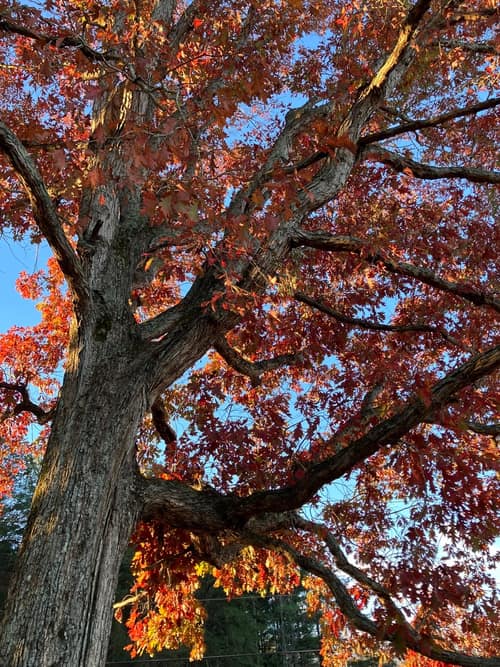
Host Plant (c) Alicia Ballard, some rights reserved (CC BY) · cc-by Image unavailable
Close Relative 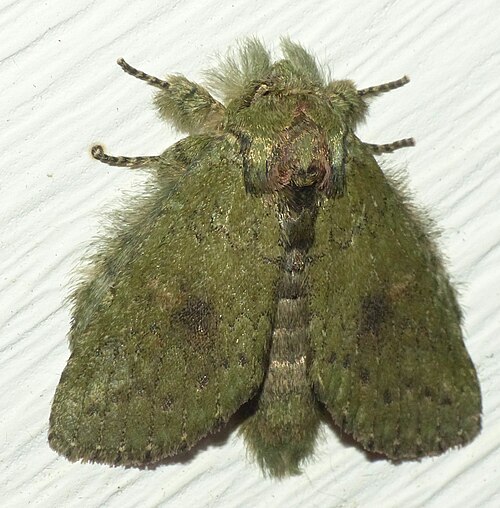
Family Relative CatherineK Depicted place: Knox, Albany County, NY, USA (42°42′56″N 74°05′38″W / 42.7155°N 74.0938°W / 42.7155; -74.0938) / CC BY-SA 4.0 · cc-by-sa
Help improve the field guideSomething wrong?
Checking your Fauna account…Report a name, category, or profile issue for review.