
Insect
The Feline
Cerura ermineaAlso known as Lesser Puss Moth, Feline Moth
Adults display stark white forewings intricately patterned with sharp black zigzags and spots, mimicking lichens on tree trunks. Larvae possess a remarkable defense mechanism, puffing up a red-ringed false face and whipping pink, thread-like flagella from their tail appendages when threatened. After feeding throughout late summer on willows and poplars, the mature caterpillar weaves an extraordinarily tough cocoon mixed with chewed wood fibers against tree bark to overwinter.
NocturnalMothWoodland
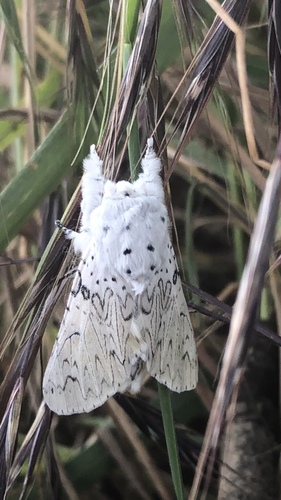
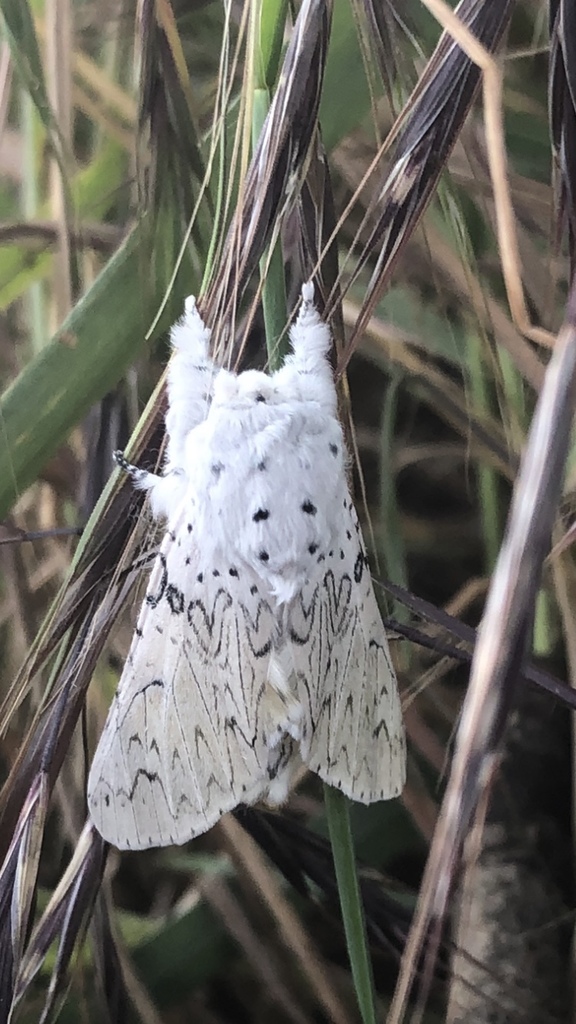
—observations
—countries
—peak records
Not EvaluatedConservation statusIUCN Red List categoriesLCNTVUENCREWEXNot Evaluated — not placed on the risk ladderRed List categories, explained →
Diet & preyEuropean aspen leaves, White poplar leaves, Willow leaves
Predators
- Bats
- Insectivorous birds
- Parasitoid wasps
ThreatsLoss of riparian woodland habitats, removal of mature poplars, and light pollution
HabitatsDeciduous woodlands, riverbanks, damp thickets, and parklands
Life spanAround 1 year (the majority spent in the pupal stage)
Classification
- FamilyNotodontidae
- SpeciesCerura erminea
Range data is not available yet.
Interaction riskLow
- Low
- Moderate
- High
- Very high
- Why interaction risk is low
- Safe to observe at a normal distance.
Responsible observation
- Light Attraction: Set up a UV light trap near damp woodland borders during midsummer nights to view adults.
- Foliage Inspection: Search the underside of young poplar leaves in late summer to spot feeding larvae.
- Gentle Observation: Avoid disturbing caterpillars directly, as prodding triggers their stress response.
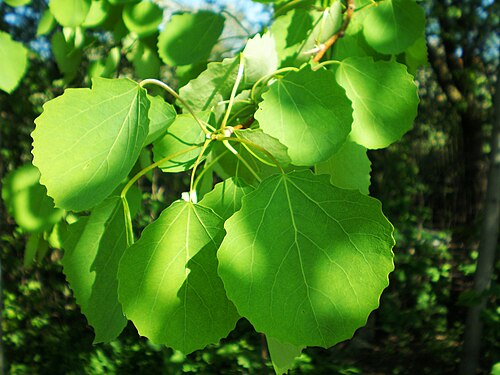
Host Plant Šarūnas Šimkus / CC BY-SA 3.0 · cc-by-sa Image unavailable
Host Plant 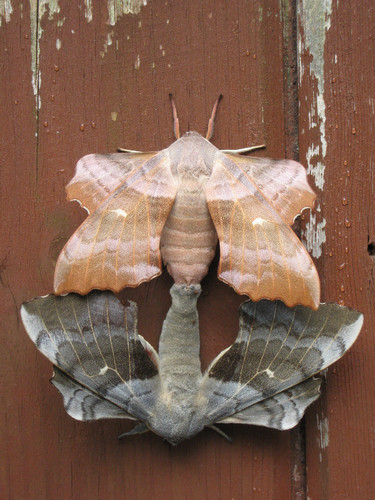
Competitor (c) A Dearheart, some rights reserved (CC BY-SA) · cc-by-sa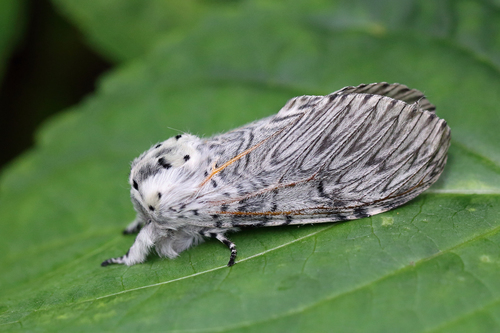
Close Relative (c) Nigel Voaden, some rights reserved (CC BY) · cc-by
Help improve the field guideSomething wrong?
Checking your Fauna account…Report a name, category, or profile issue for review.