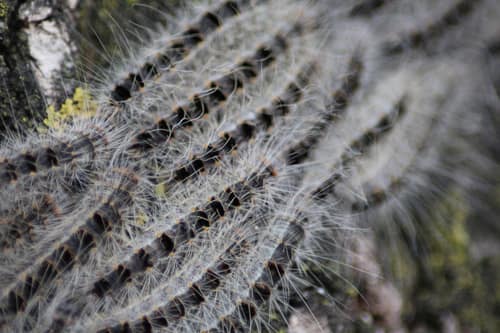
Also known as Pine Processionary, Pine Processionary Caterpillar
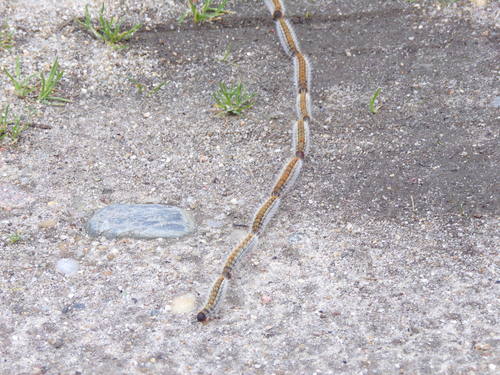
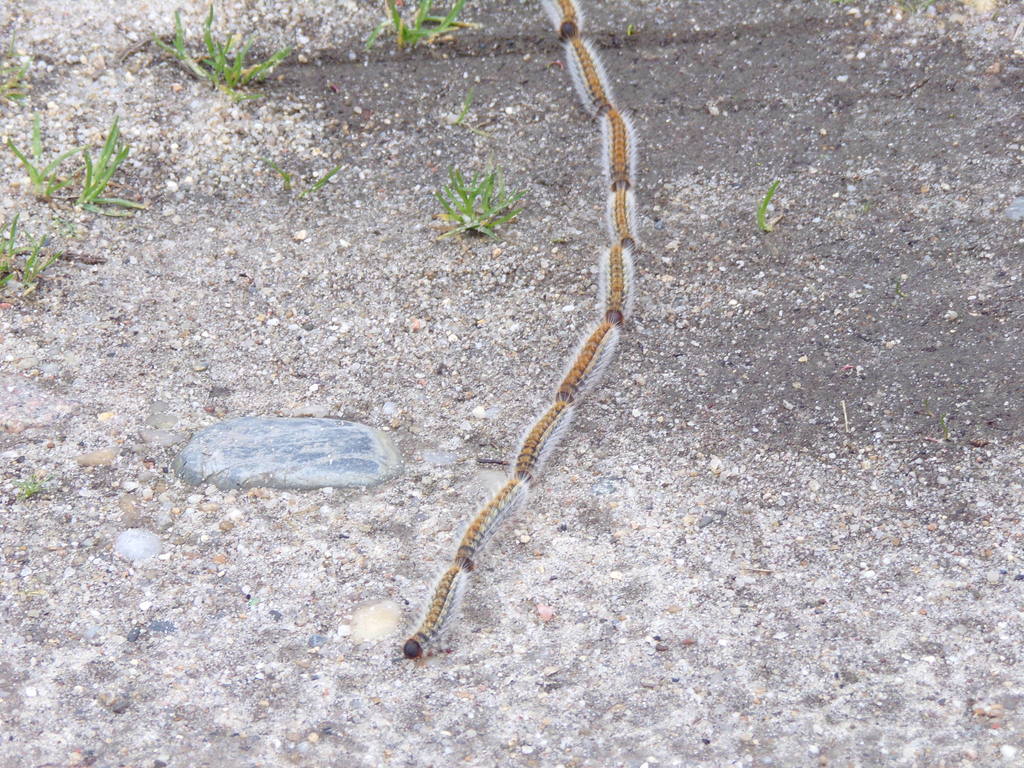
Pine processionary caterpillars live in conspicuous communal silk tents spun high in coniferous trees, marching down trunks in nose-to-tail single-file lines to pupate in the soil each spring. Adult moths fly for only a night or two during midsummer, lacking functional mouthparts and devoting their entire brief winged phase to mating and egg laying. Their voracious feeding cycles periodically strip entire Mediterranean pine stands bare, altering woodland canopy structure and fire vulnerability.
Not EvaluatedConservation statusIUCN Red List categoriesLCNTVUENCREWEXNot Evaluated — not placed on the risk ladderRed List categories, explained →
Key facts
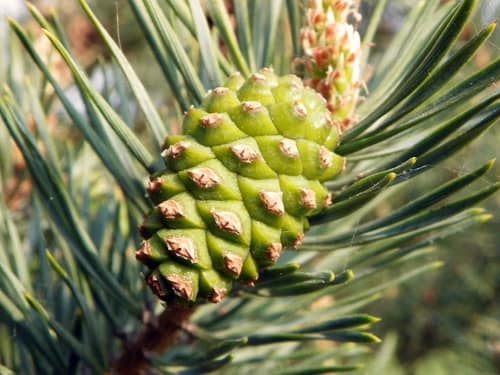
Diet & preyScots pine needles, Black pine needles, Atlas cedar needles
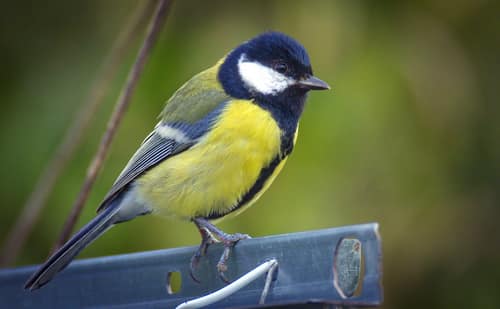
Predators
Great tit
Common cuckoo
Eurasian hoopoe
ThreatsCold winter temperatures, pesticide treatments, parasitoid wasps, and bird predation
HabitatsPine and cedar forests, Mediterranean scrublands, plantations, and urban parks
Life spanAbout 1 year (larvae 6–8 months, pupae several months, adults 1–2 days)
Classification
OrderLepidoptera
FamilyNotodontidae
GenusThaumetopoea
SpeciesThaumetopoea pityocampa
Range & activity
Range data is not available yet.
Safe observation
Interaction riskLow
Low
Moderate
High
Very high
Why interaction risk is low
Caterpillar hairs cause severe allergic reactions and rash; keep pets away and observe nests from a distance.
Why it is dangerous
Larvae carry thousands of detachable barbed hairs containing the urticating protein thaumetopoein, causing painful contact dermatitis, eye inflammation, and acute respiratory distress if airborne.
How to recognize a risky encounter
Recognized by orange-brown hairy caterpillars traveling in linked nose-to-tail lines, or by dense white silken tents clustered in pine canopies.
What to do
Do not touch caterpillars or abandoned nests; keep dogs leashed and rinse exposed skin immediately with cold water if hairs contact you.
Responsible observation
Watch the Processions: Look for distinctive head-to-tail larval lines on forest paths during late winter and early spring.
Spot the Tents: Identify active colonies by white, dense silk nests anchored on south-facing pine branch tips.
Protect Pets: Prevent curious dogs from sniffing caterpillar trails, as hair contact can cause tongue tissue loss.