
Species · GBIF taxon 1820406
Spongy Moth
Lymantria disparAlso known as Gypsy Moth, European Gypsy Moth, Asian Gypsy Moth
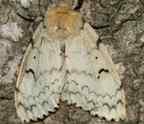
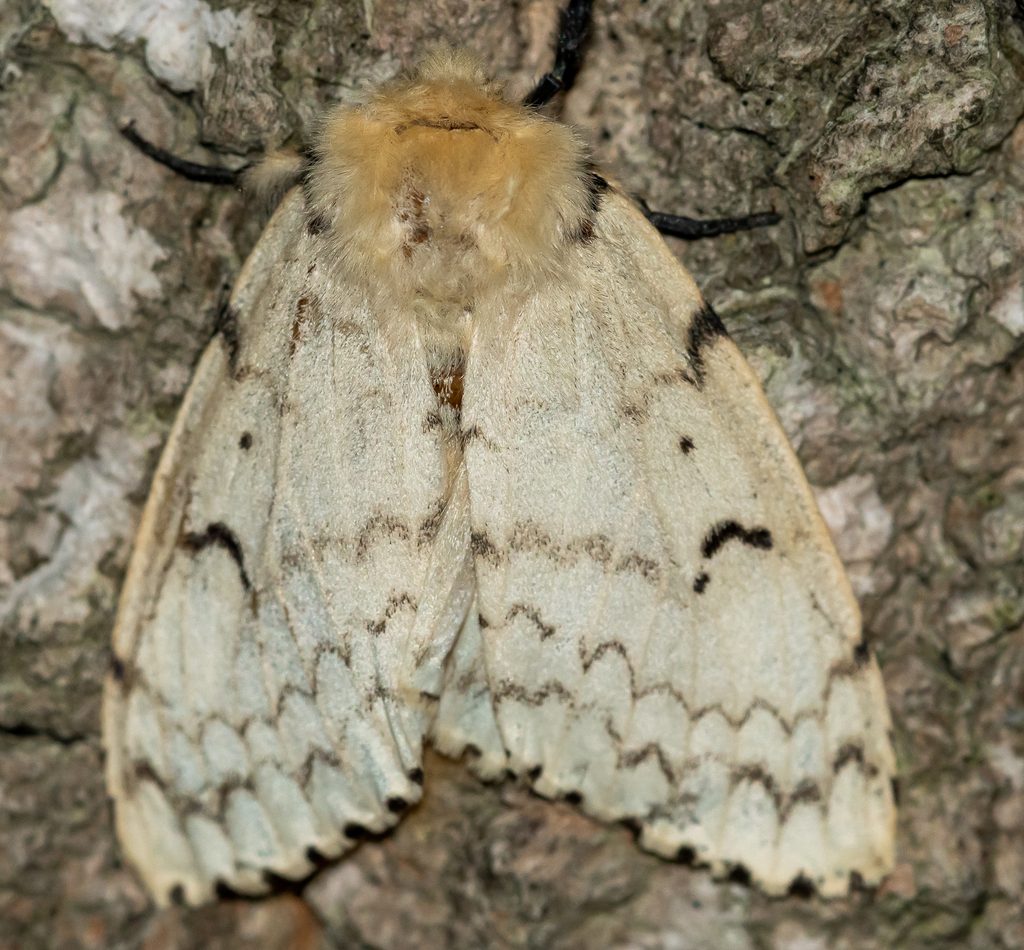
Spongy moths are notorious forest defoliators whose populations undergo dramatic boom-and-bust cycles, occasionally stripping entire hillsides of their leaves in midsummer. While the flightless females are creamy white and heavily patterned, the smaller, brownish males fly actively during the day in search of mates. The species gets its common name from the tan, felt-like egg masses that females plaster onto tree bark, rocks, and outdoor equipment.
InvasiveDefoliatorForest Pest
—observations
—countries
—peak records
Least ConcernConservation statusIUCN Red List categoriesLCNTVUENCREWEXLeast ConcernRed List categories, explained →
Diet & prey
- Oak Leaves
- Birch Leaves
- Willow Leaves
Predators
- White-footed Mouse
- Yellow-billed Cuckoo
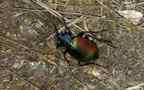
- Forest Caterpillar Hunter Beetle
ThreatsFungal pathogens, nucleopolyhedrovirus outbreaks, and human control measures
HabitatsTemperate forests, woodlands, orchards, and suburban gardens
Life span1 year
Size / weightNot available
Classification
- FamilyErebidae
- SpeciesLymantria dispar
Range data is not available yet.
Interaction riskLow
- Low
- Moderate
- High
- Very high
- Why interaction risk is low
- Caterpillar hairs can cause painful skin rashes and respiratory irritation; avoid direct contact.
- Why it is dangerous
- Caterpillar hairs contain histamines that trigger painful, itchy skin rashes and can cause respiratory distress if inhaled.
- How to recognize a risky encounter
- Identify the caterpillars by the distinctive double row of five pairs of blue spots and six pairs of red spots on their backs.
- What to do
- Avoid touching caterpillars or egg masses with bare hands, and wear protective gear when scraping eggs.
Responsible observation
- Egg Mass Removal: Scrape the spongy, tan egg masses into soapy water during winter to protect local trees.
- Burlap Banding: Wrap tree trunks in burlap to trap caterpillars as they climb down to hide during the day.
- Reporting Sightings: Document and report new infestations to local agricultural extension offices to help track spread.
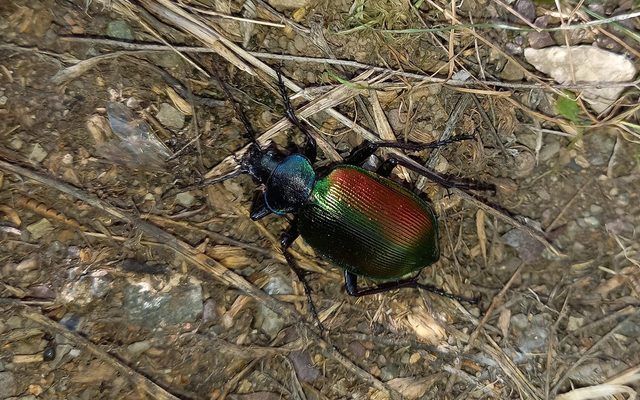
Predator (c) Alexander Dubynin, some rights reserved (CC BY) · cc-by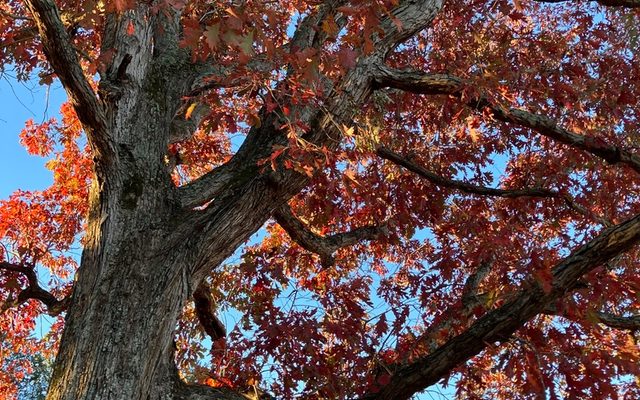
Host Plant (c) Alicia Ballard, some rights reserved (CC BY) · cc-by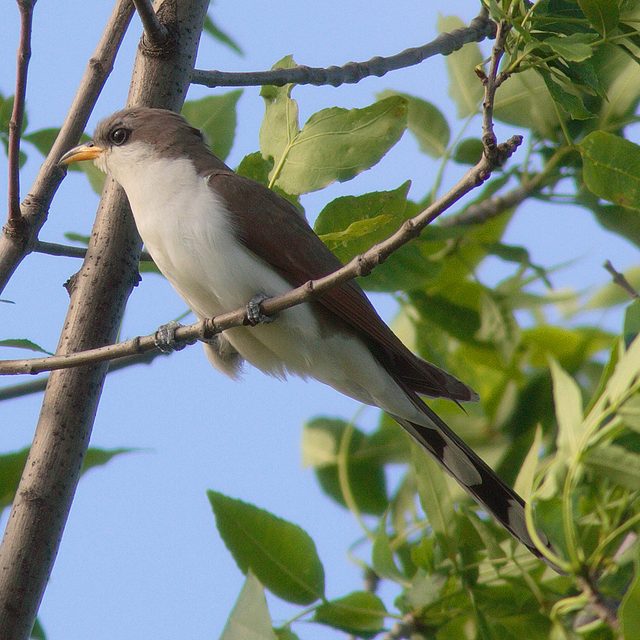
Predator No machine-readable author provided. Factumquintus assumed (based on copyright claims). / CC BY-SA 3.0 · cc-by-sa
Close Relative

Help improve the field guideSomething wrong?
Checking your Fauna account…Report a name, category, or profile issue for review.