
Insect · GBIF taxon 1817797
Fall Webworm Moth
Hyphantria cuneaAlso known as Fall Webworm
Fall webworm moths are delicate white insects whose larvae weave conspicuous silk tents around outer branch tips of deciduous trees in late summer and autumn. Unlike tent caterpillars that build nests in tree crotches, these caterpillars envelop entire clusters of foliage within protective webbing to feed safely inside. Adults emerge in spring and summer, displaying silky white wings that range from immaculate pure white to heavily speckled with dark brown spots.
NocturnalSilk WeaverMoth
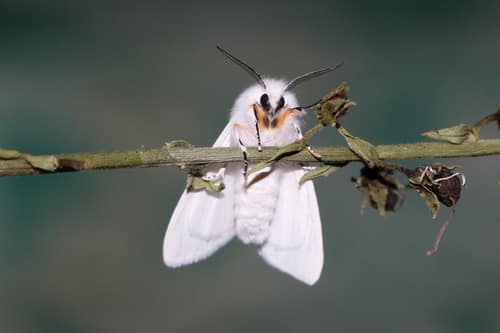
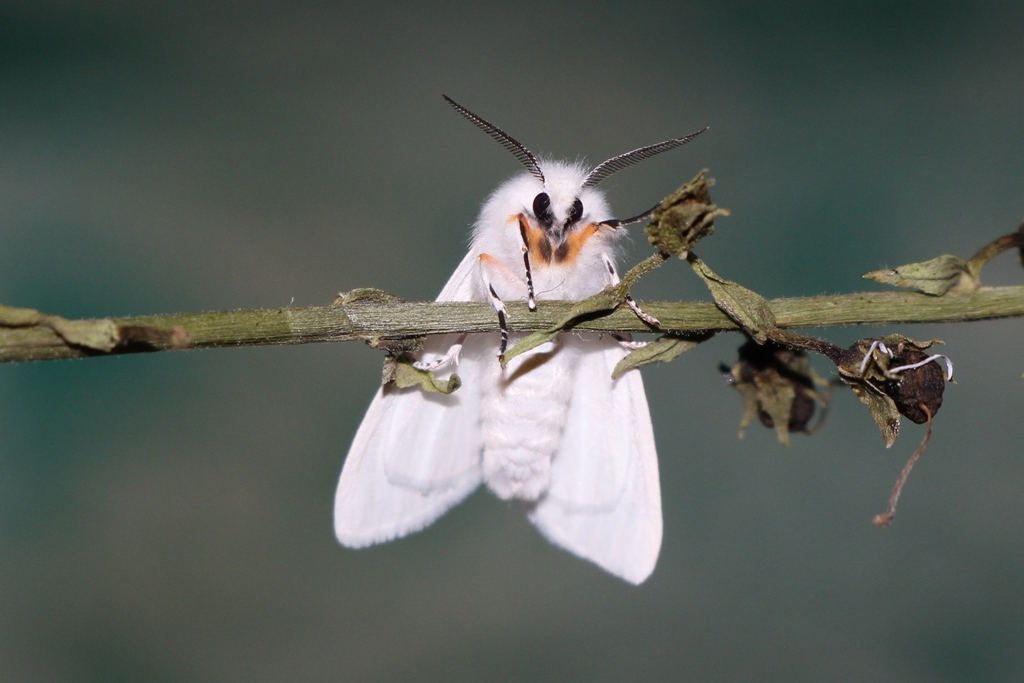
—observations
—countries
—peak records
Least ConcernConservation statusIUCN Red List categoriesLCNTVUENCREWEXLeast ConcernRed List categories, explained →
Diet & prey
- Hardwood Leaves
- Nut Tree Foliage
- Fruit Tree Leaves
Predators
- Songbirds
- Parasitoid Wasps
- Paper Wasps
ThreatsParasitoid wasps, predatory stink bugs, birds, and fungal pathogens
HabitatsDeciduous forests, orchards, suburban landscapes, and riverbanks
Life span1–2 weeks as adults; up to 1 year total life cycle
Size / weightNot available
Classification
- OrderLepidoptera
- FamilyErebidae
- GenusHyphantria
- SpeciesHyphantria cunea
Range data is not available yet.
Interaction riskLow
- Low
- Moderate
- High
- Very high
- Why interaction risk is low
- Safe to observe at a normal distance.
Responsible observation
- Spotting Webs: Look for large silk webs enclosing leaf clusters on branch tips in late summer.
- Night Observing: Adults fly at night and are frequently attracted to artificial lights and blacklights.
- Nest ID: Distinguish from tent caterpillars by noticing webs at branch ends rather than tree forks.
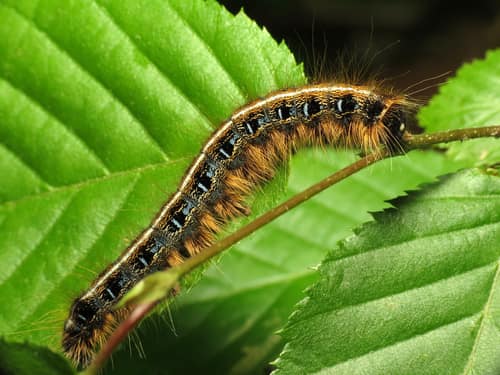
Ecological Counterpart "Eastern Tent Caterpillar" by treegrow is licensed under CC BY 2.0. To view a copy of this license, visit https://creativecommons.org/licenses/by/2.0/. · cc-by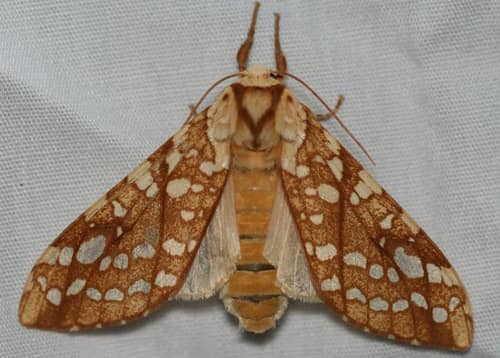
Family Relative (c) Cyndy Sims Parr, some rights reserved (CC BY-SA) · cc-by-sa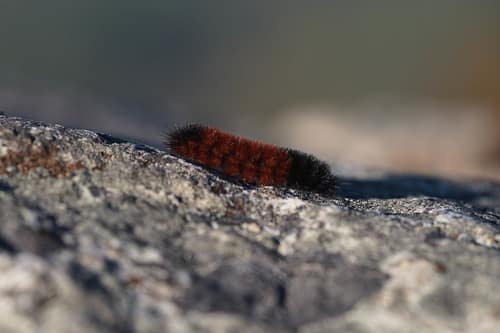
Family Relative "Woolly Bear Caterpillar Spotted!" by soomness is licensed under CC BY 2.0. To view a copy of this license, visit https://creativecommons.org/licenses/by/2.0/. · cc-by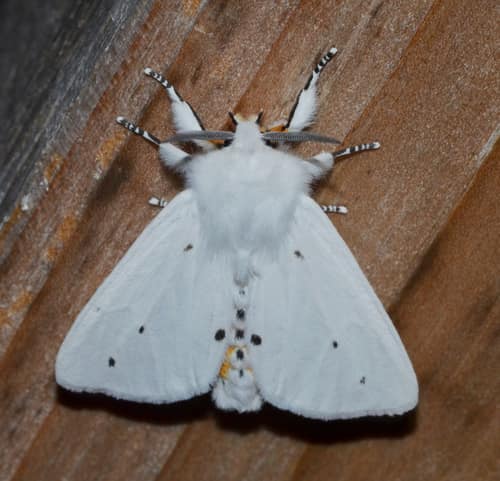
Close Relative (c) Andy Reago & Chrissy McClarren, some rights reserved (CC BY) · cc-by
Keep collecting in Fauna
Found in Collections
Species set
Moonlight Marvels
Fall Webworm Moth is found in this collection. Identify it in Fauna to fill this slot and continue your progress.
—/7
Help improve the field guideSomething wrong?
Checking your Fauna account…Report a name, category, or profile issue for review.