
Insect
Baphomet Moth
Creatonotos gangisAlso known as Ramie Moth
Male Baphomet moths boast four enormous, inflatable abdominal scent organs called coremata that flare outwards like pulsing, hairy tentacles to disperse female-attracting pheromones. Caterpillars ingest toxic pyrrolizidine alkaloids from host plants, storing the bitter compounds to deter predators and synthesize their courtship scent in adult life. Adults rest quietly during the day with pale grey forewings folded over a striking crimson and black abdomen.
NocturnalPheromone DisplayWarning Coloration
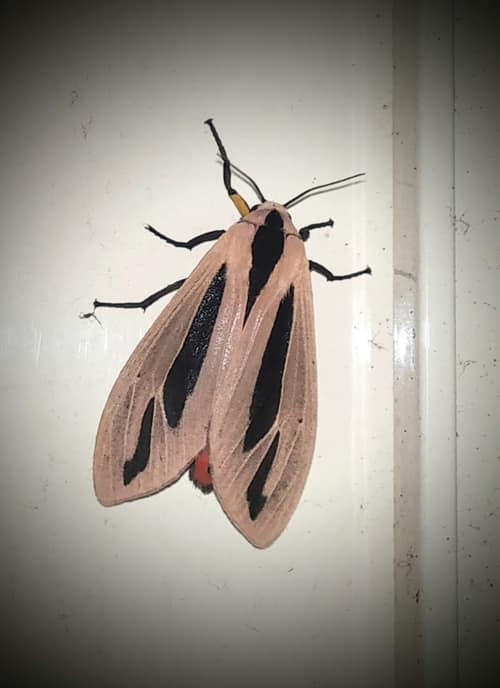
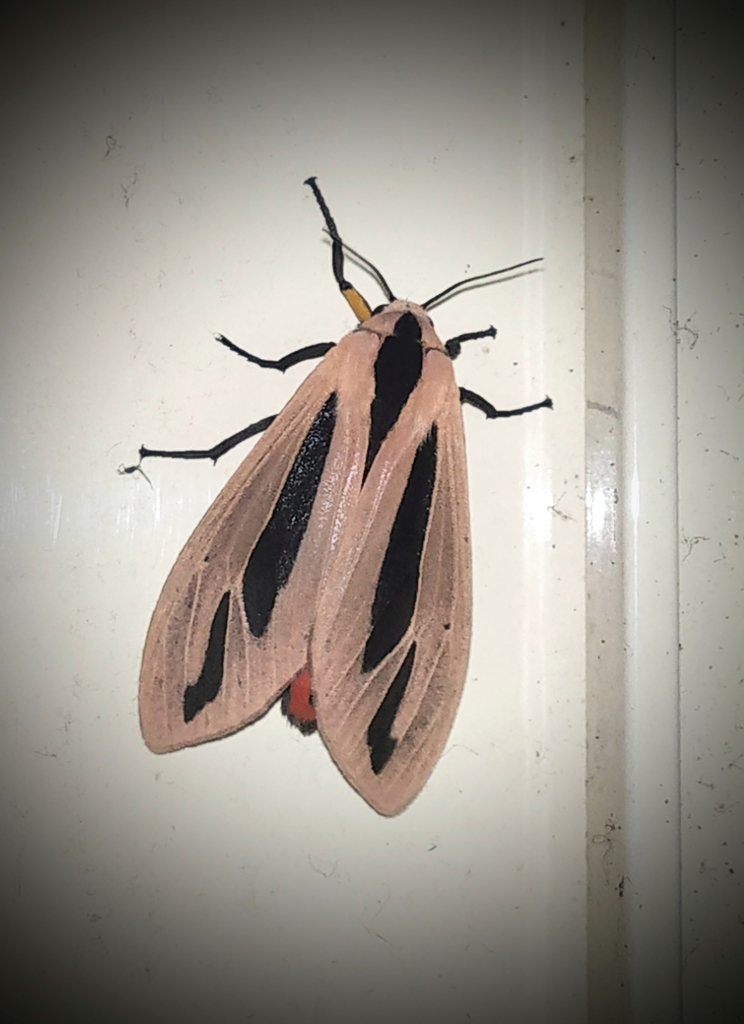
—observations
—countries
—peak records
Not EvaluatedConservation statusIUCN Red List categoriesLCNTVUENCREWEXNot Evaluated — not placed on the risk ladderRed List categories, explained →
Diet & preyRamie foliage, Sweet potato leaves, Flower nectar
Predators
- Insectivorous bats
- Orb-weaver spiders
- Birds
ThreatsAgricultural pesticide spraying and intensive habitat conversion
HabitatsTropical rainforest edges, secondary woodlands, grasslands, and agricultural fields
Life span1–2 months (adult lifespan 7–14 days)
Classification
- OrderLepidoptera
- FamilyErebidae
- GenusCreatonotos
- SpeciesCreatonotos gangis
Range data is not available yet.
Interaction riskLow
- Low
- Moderate
- High
- Very high
- Why interaction risk is low
- Safe to observe at a normal distance.
Responsible observation
- Light Attraction: Set up a UV or white moth sheet on warm, humid nights to attract flying adults.
- Display Timing: Watch freshly emerged males after dusk for rare views of inflated scent organs.
- Gentle Observation: Avoid handling the fragile wings or poking the sensitive abdominal structures.
 Image unavailable
Host Plant Predator 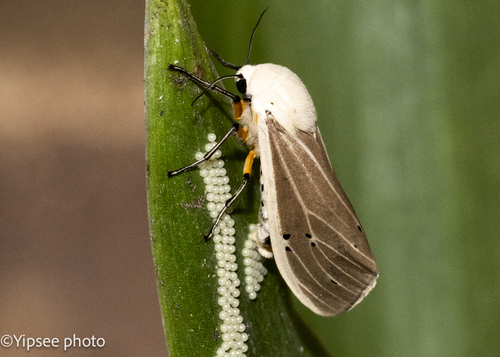
Close Relative no rights reserved, uploaded by yipsee · cc0Same Subfamily
Keep collecting in Fauna
Found in Collections
Species set
Moonlight Marvels
Baphomet Moth is found in this collection. Identify it in Fauna to fill this slot and continue your progress.
—/7
Help improve the field guideSomething wrong?
Checking your Fauna account…Report a name, category, or profile issue for review.