
Insect · GBIF taxon 1813415
Salt Marsh Moth
Estigmene acreaAlso known as Acrea Moth
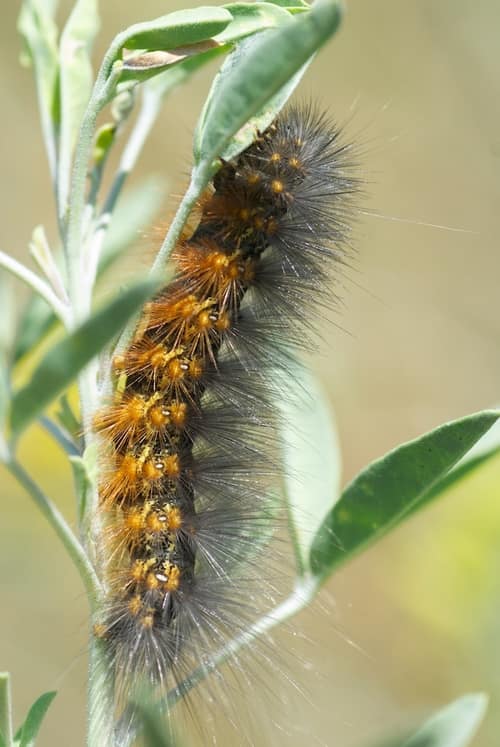
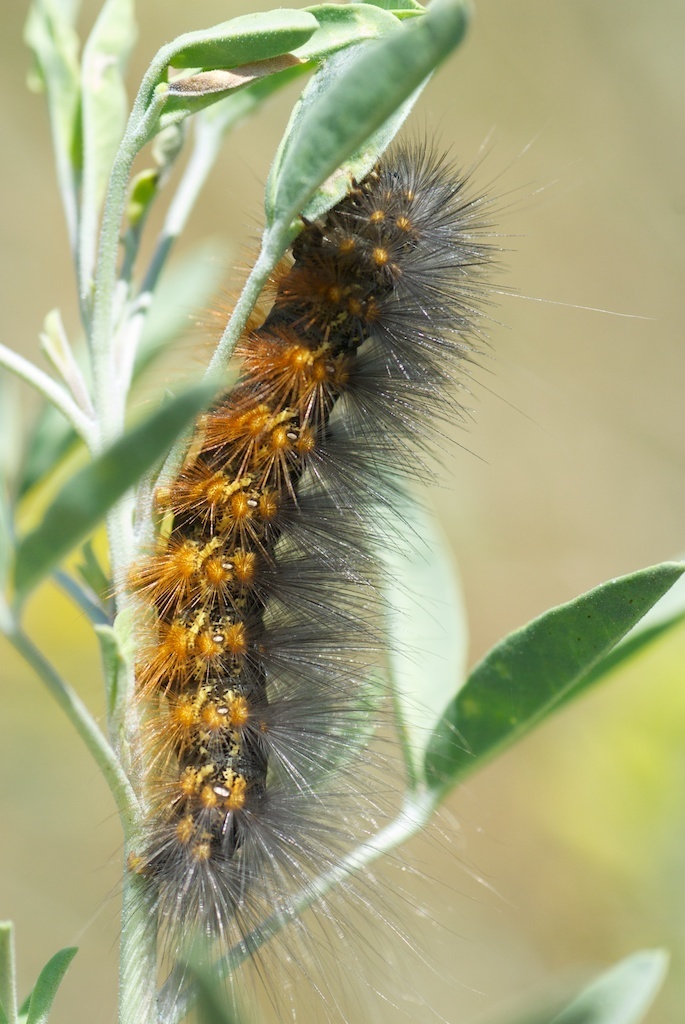
Salt marsh moth caterpillars are famously dense and hairy, ranging in color from pale yellow to dark reddish-brown as they wander across roads and fields in late summer searching for pupation sites. Adults display striking sexual dimorphism, as females sport pure white hindwings while males boast bright orange-yellow hindwings dotted with crisp black spots. Despite their coastal name, these resilient moths thrive in diverse inland habitats across North and Central America, from suburban gardens to agricultural fields.
Sexual DimorphismHairy CaterpillarNocturnal
—observations
—countries
—peak records
Not EvaluatedConservation statusIUCN Red List categoriesLCNTVUENCREWEXNot Evaluated — not placed on the risk ladderRed List categories, explained →
Diet & prey
- Cabbage leaves
- Soybean foliage
- Dandelion leaves
Predators
- Bats
- Songbirds
- Parasitoid wasps
ThreatsAgricultural pesticides, light pollution, habitat loss
HabitatsSalt marshes, agricultural fields, meadows, suburban gardens
Life span1–2 months total; adults live 1–2 weeks
Classification
- OrderLepidoptera
- FamilyErebidae
- GenusEstigmene
- SpeciesEstigmene acrea
Range data is not available yet.
Interaction riskLow
- Low
- Moderate
- High
- Very high
- Why interaction risk is low
- Caterpillar hairs can irritate sensitive skin; observe without handling bare-handed.
- Why it is dangerous
- Larval setae consist of stiff hairs that can cause mechanical irritation or allergic rash upon direct skin contact.
- How to recognize a risky encounter
- Look for thickly haired yellow, brown, or black caterpillars wandering rapidly on the ground in summer and fall.
- What to do
- Observe caterpillars without picking them up bare-handed, using a paper card or leaf if relocation is necessary.
Responsible observation
- Night Viewing: Attract adult moths to light sheets placed near meadows or gardens after sunset.
- Handling Caterpillars: Coax wandering larvae onto a stick or leaf rather than touching bristles directly.
- Gardening Awareness: Check crop leaves early in summer to spot young feeding caterpillars before heavy defoliation.
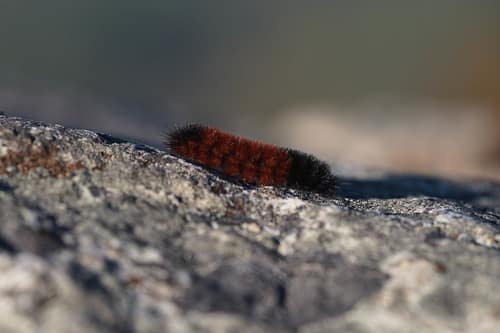
Close Relative "Woolly Bear Caterpillar Spotted!" by soomness is licensed under CC BY 2.0. To view a copy of this license, visit https://creativecommons.org/licenses/by/2.0/. · cc-by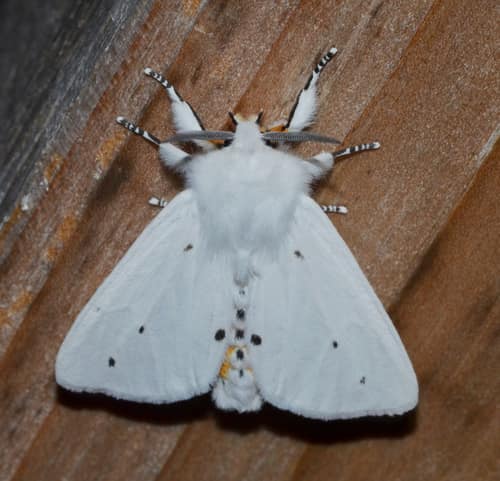
Close Relative (c) Andy Reago & Chrissy McClarren, some rights reserved (CC BY) · cc-by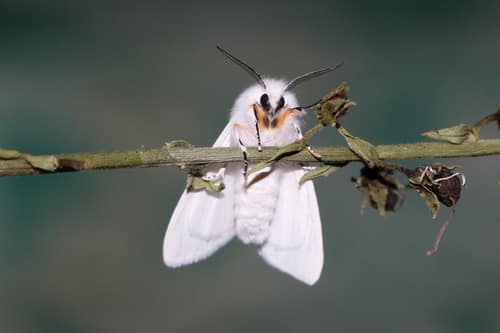
Family Member no rights reserved, uploaded by Liubov Ilminska · cc0
Keep collecting in Fauna
Found in Collections
Species set
Moonlight Marvels
Salt Marsh Moth is found in this collection. Identify it in Fauna to fill this slot and continue your progress.
—/7
Help improve the field guideSomething wrong?
Checking your Fauna account…Report a name, category, or profile issue for review.