
Insect · GBIF taxon 1784688
Grapevine Epimenis Moth
Psychomorpha epimenisAlso known as Grapevine Epimenis
Grapevine epimenis moths emerge in early spring, fluttering through sunny woods like miniature butterflies with velvety black wings offset by striking white forewing patches and vivid orange-red hindwing spots. Female moths lay eggs on newly emerging grape and peppervine leaves, where their striped caterpillars construct leafy shelters bound by silk. Because adults fly primarily during warm spring days, they are frequently spotted sipping nectar from blooming wild plums, cherries, and redbuds.
Day-ActiveEarly SpringBlack and Red
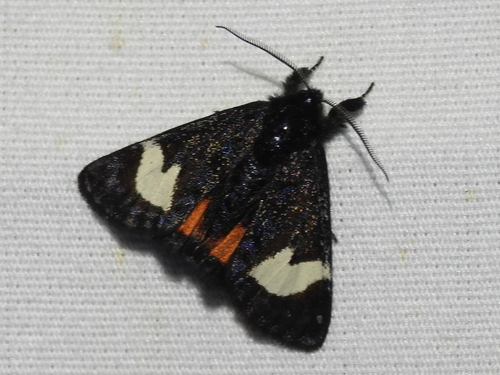
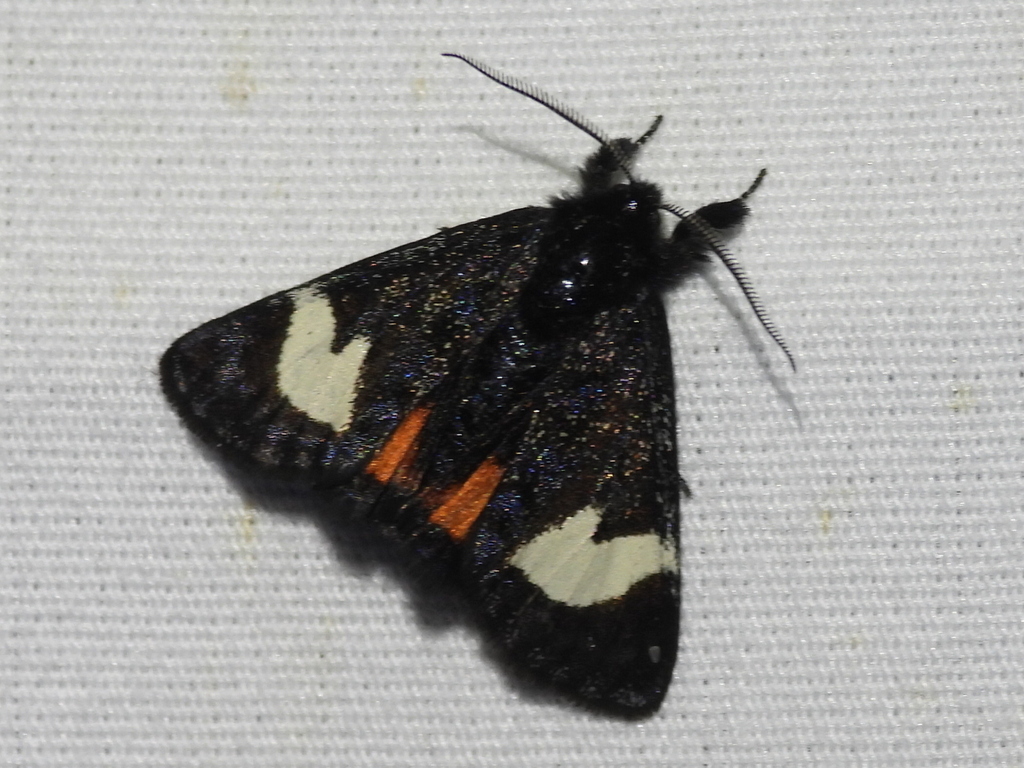
—observations
—countries
—peak records
Not EvaluatedConservation statusIUCN Red List categoriesLCNTVUENCREWEXNot Evaluated — not placed on the risk ladderRed List categories, explained →
Diet & prey
- Floral nectar
- Grape foliage
- Peppervine foliage
Predators
- Songbirds
- Spiders
- Parasitoid wasps
ThreatsPesticide application, habitat loss, clearance of wild grapevine thickets.
HabitatsWoodland edges, vine thickets, parks, and gardens.
Life spanUp to 1 year (adults live 1 to 2 weeks).
Classification
- FamilyNoctuidae
- SpeciesPsychomorpha epimenis
Range data is not available yet.
Interaction riskLow
- Low
- Moderate
- High
- Very high
- Why interaction risk is low
- Safe to observe at a normal distance.
Responsible observation
- Spring Timing: Scan blooming trees and shrubs like redbuds and wild plums in early spring.
- Look for Leaf Rolls: Search wild grapevine foliage for leaves stitched together with silk.
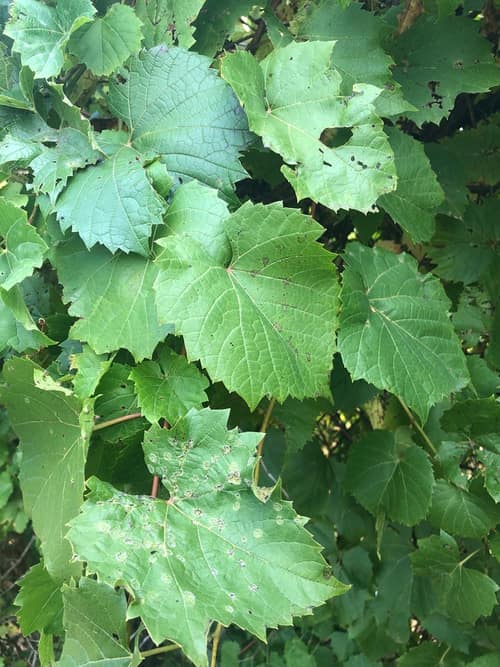
Host Plant (c) miquelon, some rights reserved (CC BY), uploaded by miquelon · cc-by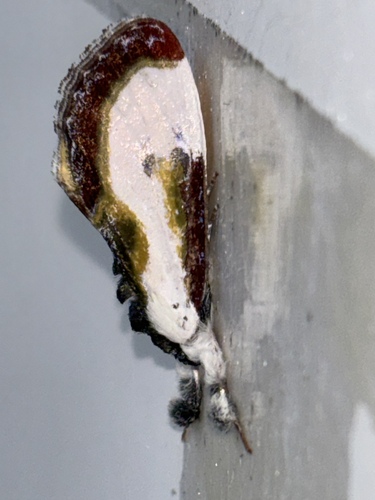
Close Relative (c) Evan Robbins, some rights reserved (CC BY) · cc-by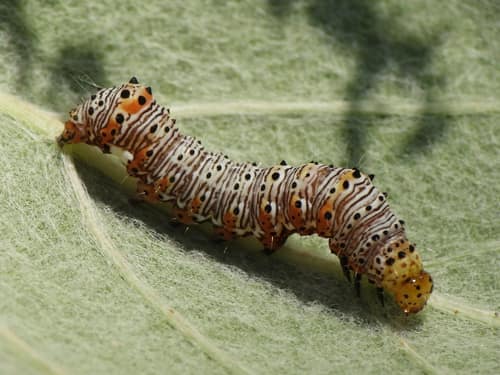
Close Relative (c) Sam Kieschnick, some rights reserved (CC BY) · cc-by
Help improve the field guideSomething wrong?
Checking your Fauna account…Report a name, category, or profile issue for review.