
Insect · GBIF taxon 1777730
Spanish Moth
Xanthopastis regnatrixAlso known as Convict Caterpillar
Adult Spanish moths sport striking rosy-pink and creamy-yellow forewings speckled with black, a vivid aposematic display warning predators of sequestered alkaloid toxins. Their larvae, known colloquially as convict caterpillars due to their bold black-and-white stripes, feed gregariously on plants in the amaryllis family and can quickly defoliate garden ornamentals. After exhausting foliage, mature caterpillars burrow into loose soil or leaf litter to pupate inside dark, silk-lined subterranean cells.
NocturnalAposematicHerbivore
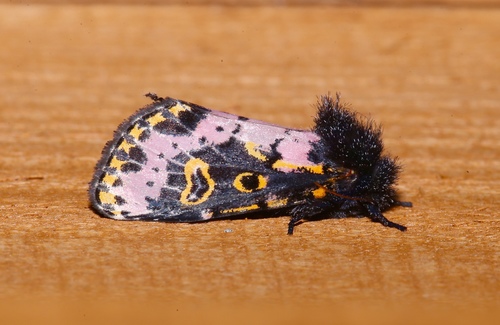
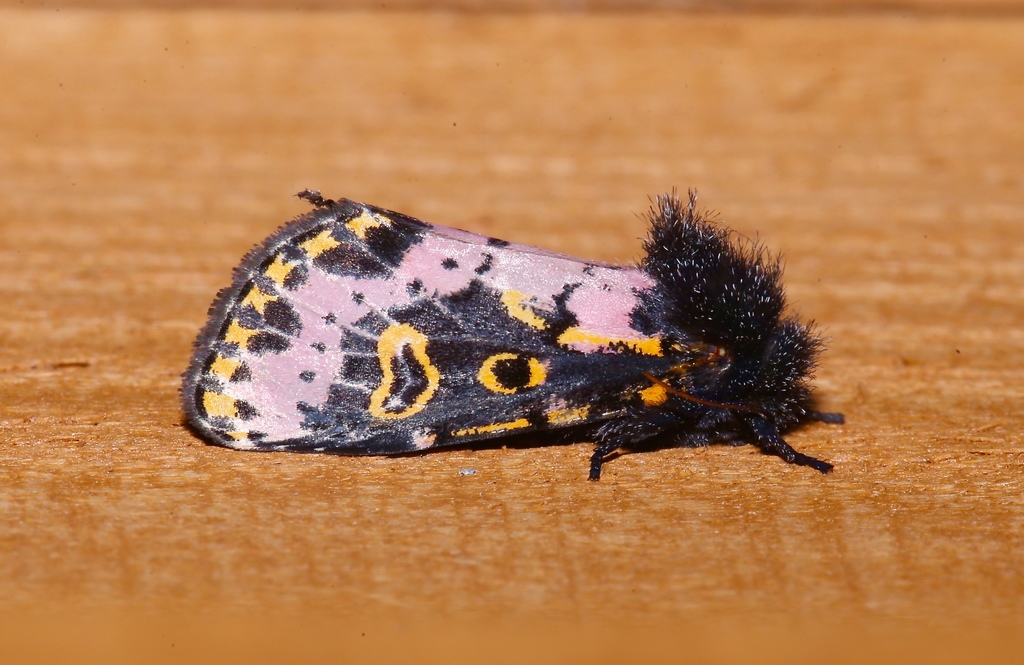
—observations
—countries
—peak records
Not EvaluatedConservation statusIUCN Red List categoriesLCNTVUENCREWEXNot Evaluated — not placed on the risk ladderRed List categories, explained →
Diet & prey
- Spider lily foliage
- Amaryllis foliage
- Narcissus foliage
Predators
- Parasitoid wasps
- Insectivorous birds
- Spiders
ThreatsPesticide application in gardens and severe winter freezes
HabitatsCoastal plains, gardens, pine flatwoods, subtropical wetlands
Life span8–12 days as adults; 2–3 months total life cycle
Classification
- OrderLepidoptera
- FamilyNoctuidae
- GenusXanthopastis
- SpeciesXanthopastis regnatrix
Range data is not available yet.
Interaction riskLow
- Low
- Moderate
- High
- Very high
- Why interaction risk is low
- Safe to observe at a close distance; larvae are toxic if consumed by pets.
Responsible observation
- Host Plant Inspection: Look along the leaf bases of amaryllis and spider lilies for tight clusters of feeding larvae.
- Blacklight Attraction: Hang a bright UV or mercury-vapor light against a white sheet at night to observe flying adults.
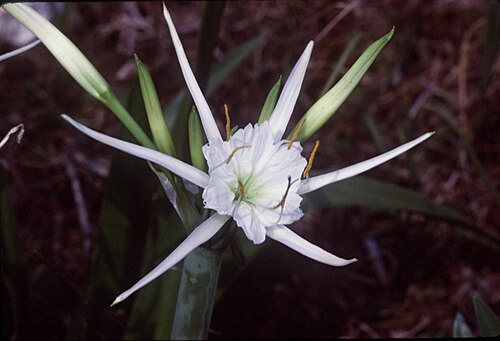
Host Plant Robert H. Mohlenbrock at the USDA / Public domain · cc0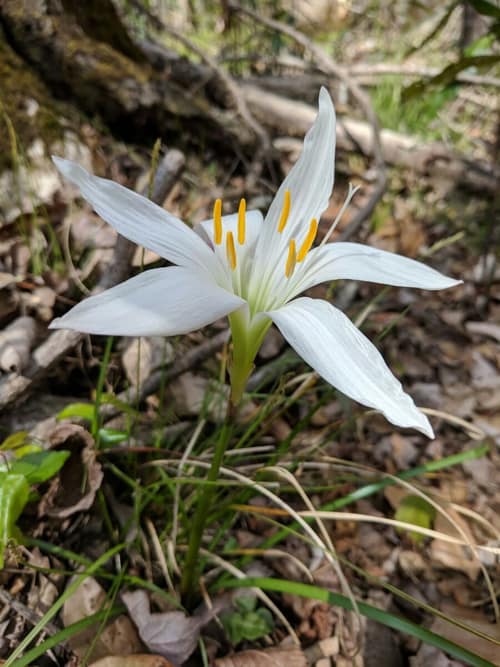
Host Plant Kcstanfield / CC BY-SA 4.0 · cc-by-sa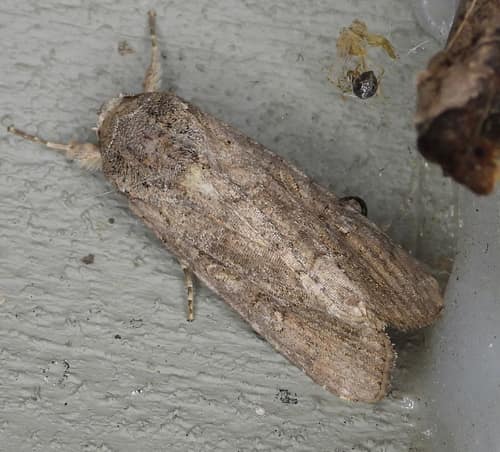
Same Family (c) Peter Waycik, some rights reserved (CC BY), uploaded by Peter Waycik · cc-by
Keep collecting in Fauna
Found in Collections
Species set
Moonlight Marvels
Spanish Moth is found in this collection. Identify it in Fauna to fill this slot and continue your progress.
—/7
Help improve the field guideSomething wrong?
Checking your Fauna account…Report a name, category, or profile issue for review.