
Insect
Chabuata amoeba
Chabuata amoebaChabuata amoeba is a nocturnal owlet moth native to Neotropical forest ecosystems, where its mottled forewings provide camouflage against lichen-encrusted tree bark during daylight hours. Adults become active at dusk, taking flight to seek out flowering canopy plants, sap flows, and fermenting fruit for nourishment. Like many related moths, females release specialized pheromones to draw mates across dense understory vegetation before laying clusters of eggs on suitable larval host plants.
NocturnalCrypticForest Dweller
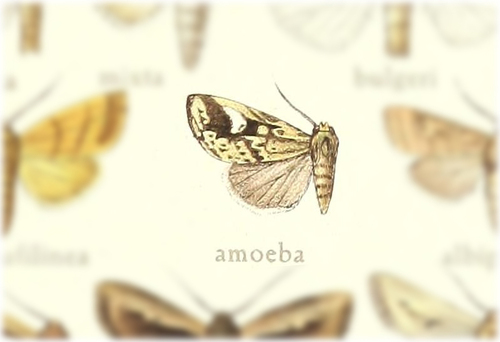
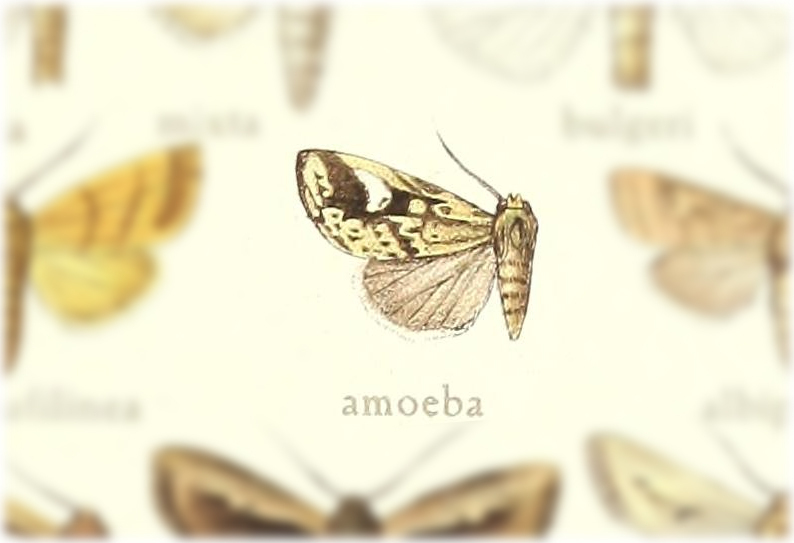
—observations
—countries
—peak records
Not EvaluatedConservation statusIUCN Red List categoriesLCNTVUENCREWEXNot Evaluated — not placed on the risk ladderRed List categories, explained →
Diet & preyFlower nectar, Plant sap, Fermenting fruit juice
Predators
- Insectivorous bats
- Songbirds
- Orb-weaver spiders
ThreatsDeforestation, forest fragmentation, and disruption from artificial light pollution.
HabitatsTropical moist forests, montane woodlands, and humid forest margins.
Life span1–3 weeks as an adult; 2–4 months across the entire life cycle.
Classification
- FamilyNoctuidae
- SpeciesChabuata amoeba
Range data is not available yet.
Interaction riskLow
- Low
- Moderate
- High
- Very high
- Why interaction risk is low
- Safe to observe at a normal distance.
Responsible observation
- Light Attraction: Use a portable ultraviolet light against a hanging white sheet to attract adult moths after dark.
- Daytime Searching: Inspect textured tree trunks and shaded foliage where adults roost in camouflage.
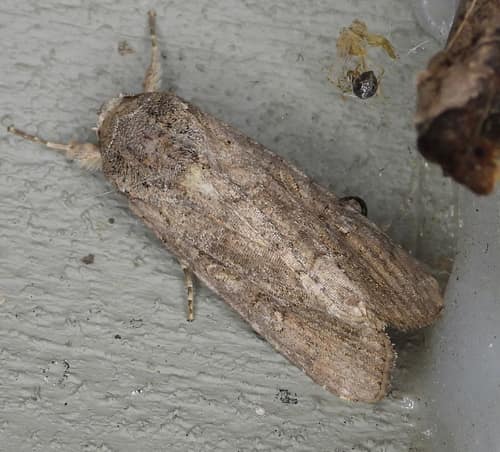
Same Family (c) Peter Waycik, some rights reserved (CC BY), uploaded by Peter Waycik · cc-by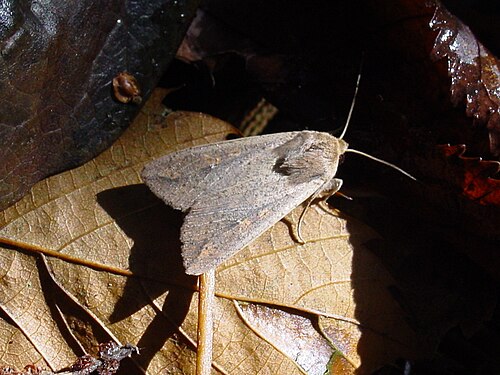
Same Family Luis Miguel Bugallo Sánchez (Lmbuga Commons)(Lmbuga Galipedia) Publicada por/Publish by: Luis Miguel Bugallo Sánchez / CC BY-SA 3.0 · cc-by-sa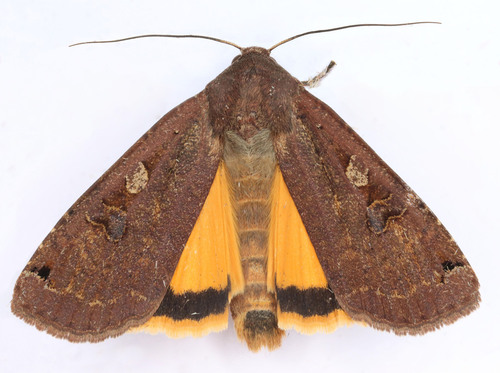
Same Family (c) janet graham, some rights reserved (CC BY) · cc-by
Help improve the field guideSomething wrong?
Checking your Fauna account…Report a name, category, or profile issue for review.