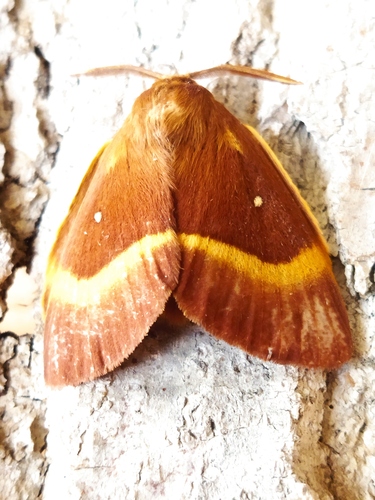
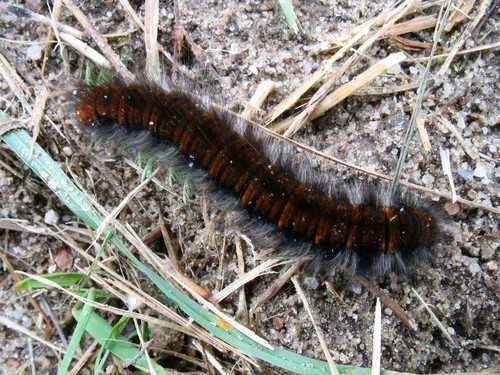
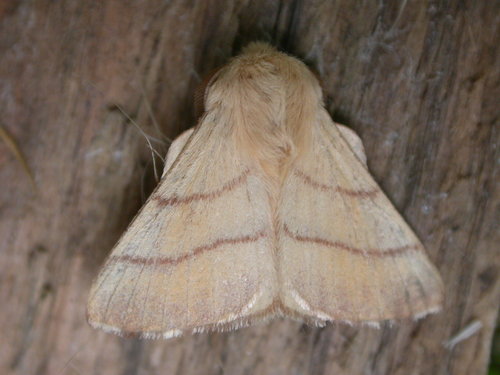
Named for the large caterpillar's habit of drinking droplets of dew off grass blades, the Drinker Moth thrives in damp grasslands, fens, and marshes across Europe and temperate Asia. Adults display rich yellowish-orange to dark reddish-brown forewings marked with two pale silver spots and a diagonal dark stripe. Females are notably larger and paler than males, taking to the wing mainly at dusk during midsummer.
ThreatsHabitat loss from wetland drainage, scrub encroachment, and intensive land management
HabitatsDamp grasslands, fens, marshes, riverbanks, ditches, and wet woodlands
Life span1 year (10–11 months as larva and pupa, 1–2 weeks as adult)
Classification
FamilyLasiocampidae
SpeciesEuthrix potatoria
Range & activity
Range data is not available yet.
Safe observation
Interaction riskLow
Low
Moderate
High
Very high
Why interaction risk is low
Caterpillar hairs can irritate sensitive skin; observe closely without handling.
Why it is dangerous
The dense, tufted hairs on the caterpillar contain minor urticating irritants that can cause a mild localized skin rash or itching upon direct contact.
How to recognize a risky encounter
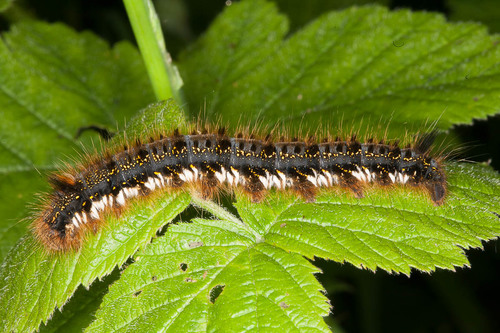
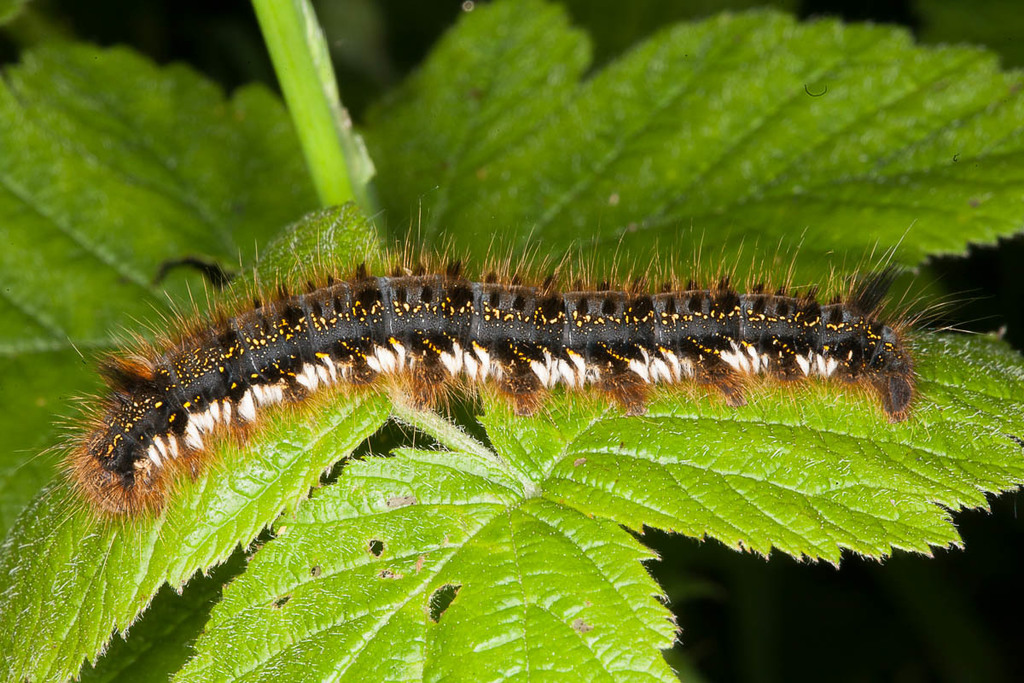
Look for a large, dark blue-grey caterpillar up to 7 cm long decorated with white tufts and orange spots.
What to do
Observe the larvae as they sip dew drops without picking them up with bare hands.
Responsible observation
Light Attraction: Males fly readily to light traps on warm, damp summer nights.
Caterpillar Spotting: Search tall, wet grass stems in spring to see caterpillars sipping dew.
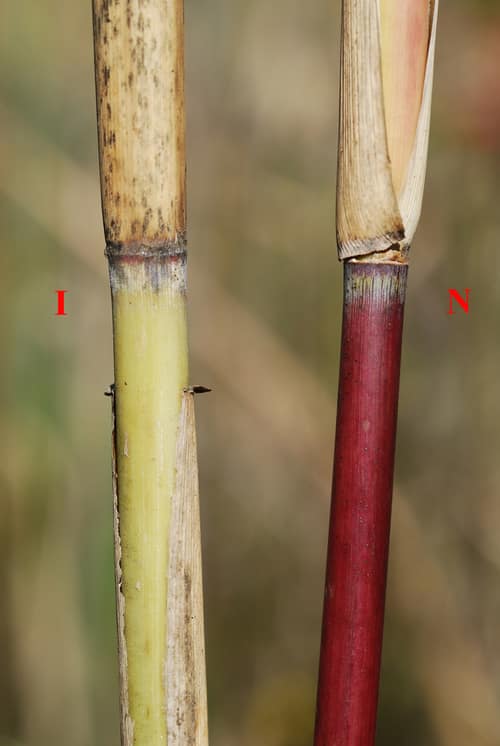
Daytime Resting: Look for adults resting motionless on reed stems near marsh edges.