
Insect · GBIF taxon 1729593
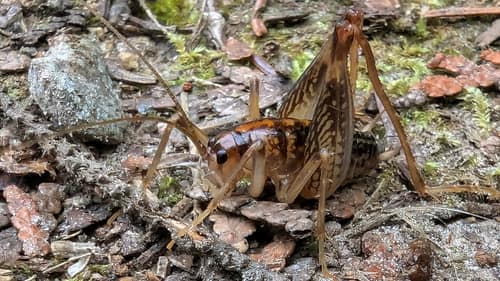
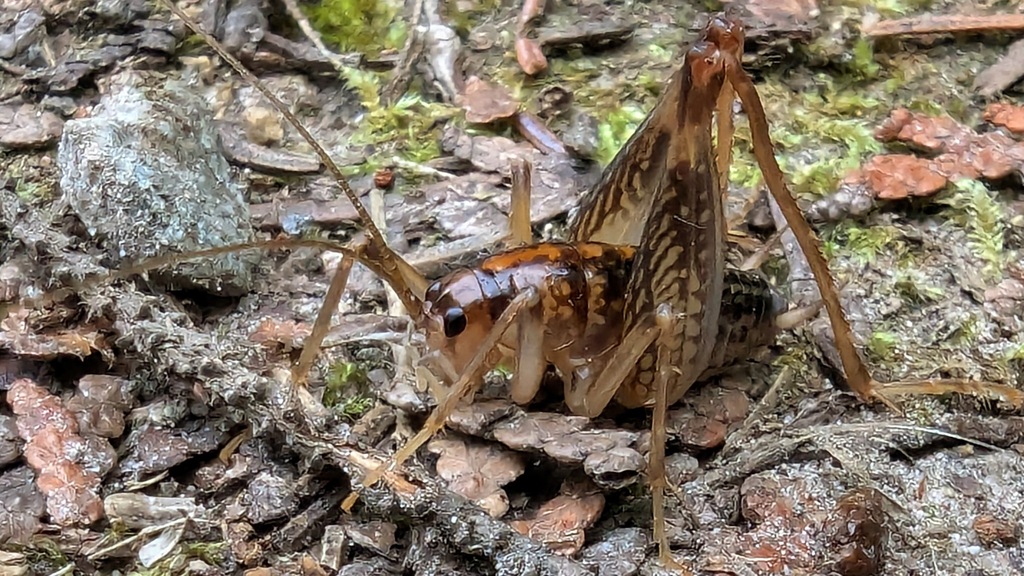
Spotted Camel Cricket
Ceuthophilus maculatusAlso known as Spotted Cave Cricket
Spotted camel crickets navigate forest floors under the cover of night, using extraordinarily long antennae to probe leaf litter and rotting timber for food. Completely wingless and mute, they lack the sound-producing organs of true crickets and rely entirely on silence and camouflage to avoid detection. When startled by a predator, their disproportionately large, muscular hind legs propel them into erratic, disorienting leaps that easily carry them dozens of centimeters away.
NocturnalForest DwellerWingless
—observations
—countries
—peak records
Not EvaluatedConservation statusIUCN Red List categoriesLCNTVUENCREWEXNot Evaluated — not placed on the risk ladderRed List categories, explained →
Diet & prey
- Wild Fungi
- Decaying Leaves
- Small Invertebrates
Predators
- White-footed Mouse
- Red-backed Salamander
- Wolf Spider
ThreatsHabitat loss, heavy pesticide use, and severe forest floor desiccation
HabitatsDeciduous woodlands, moist forest floors, rocky outcrops, and dark cellars
Life span1–2 years
Size / weightNot available
Classification
- FamilyRhaphidophoridae
- SpeciesCeuthophilus maculatus
Range data is not available yet.
Interaction riskLow
- Low
- Moderate
- High
- Very high
- Why interaction risk is low
- Safe to observe at a normal distance.
Responsible observation
- Night Searching: Shine a red-tinted flashlight along rotting logs and damp rock piles after dark.
- Handling: Avoid cornering them, as their sudden high jumps can startle observers.
 Image unavailable
Same Genus 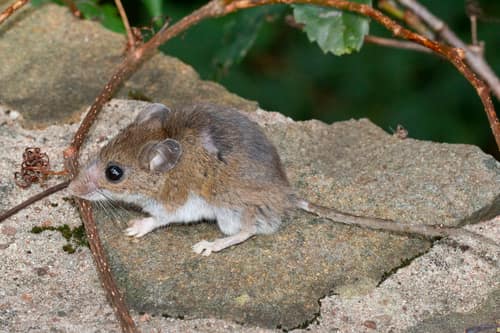
Predator (c) Kristof Zyskowski, some rights reserved (CC BY), uploaded by Kristof Zyskowski · cc-by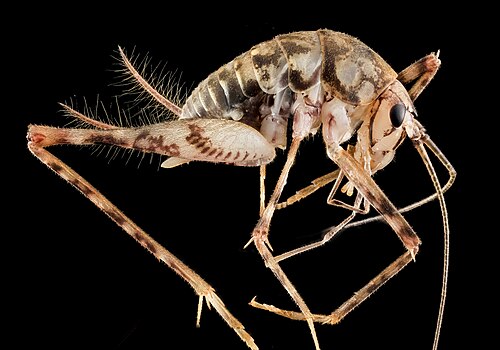
Same Family USGS Bee Inventory and Monitoring Lab / CC BY 2.0 · cc-by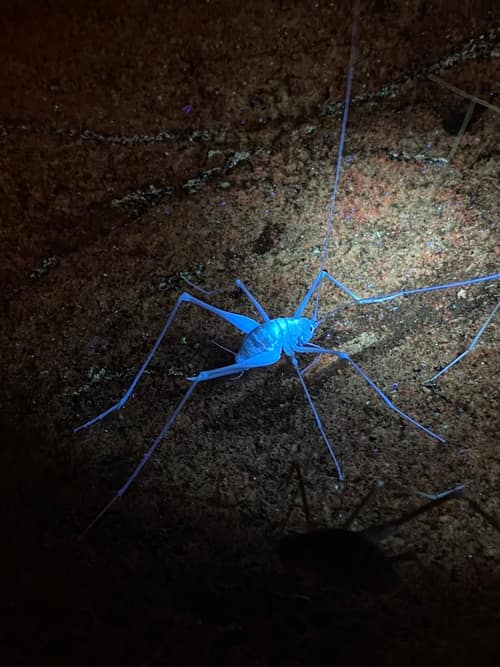
Same Family (c) Nick Tobler (Cowturtle), some rights reserved (CC BY), uploaded by Nick Tobler (Cowturtle) · cc-by
Help improve the field guideSomething wrong?
Checking your Fauna account…Report a name, category, or profile issue for review.