
Insect
Spring Field Cricket
Gryllus veletisAlso known as Spring Cricket, Northern Spring Field Cricket
Spring field crickets emerge as overwintered nymphs early in the season, filling warm May and June evenings with loud, rhythmic chirping. Males dig shallow burrows or hide beneath rocks, aggressively defending these calling sites from rivals. They feed opportunistically on seedlings, fallen organic debris, and soft-bodied insects before dying off by midsummer.
NocturnalChirpingBurrowing
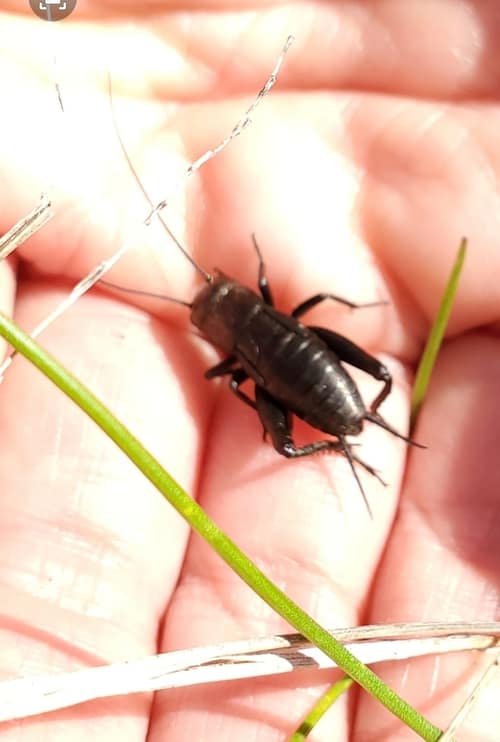
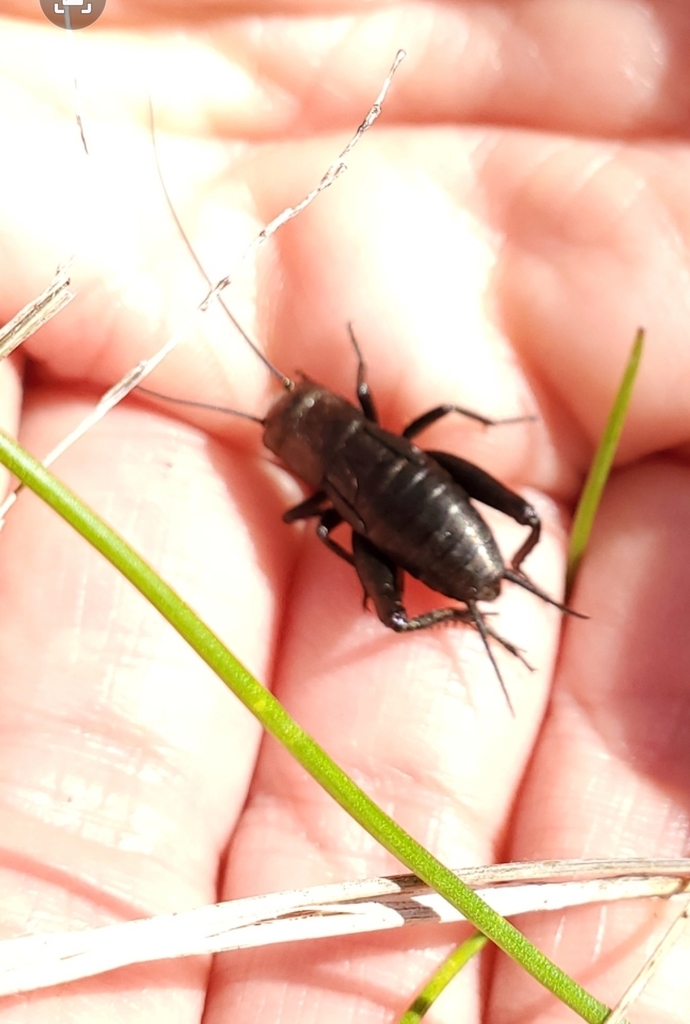
—observations
—countries
—peak records
Least ConcernConservation statusIUCN Red List categoriesLCNTVUENCREWEXLeast ConcernRed List categories, explained →
Diet & preyPlant Debris, Seeds, Dead Insects
Predators
- American Toad
- Wolf Spider
- Wild Turkey
ThreatsBroad-spectrum pesticide applications and heavy soil cultivation
HabitatsFields, pastures, lawns, road shoulders, and forest margins
Life span1 year (overwinters as a nymph; adults live 4 to 8 weeks)
Classification
- FamilyGryllidae
- SpeciesGryllus veletis
Range data is not available yet.
Interaction riskLow
- Low
- Moderate
- High
- Very high
- Why interaction risk is low
- Safe to observe at a normal distance.
Responsible observation
- Listen closely: Male calls peak during warm spring evenings between May and June.
- Look under cover: Check beneath flat stones, board piles, and loose lawn debris during daytime.
- Distinguish seasons: Spring-calling adults belong to this species, while autumn adults are Fall Field Crickets.
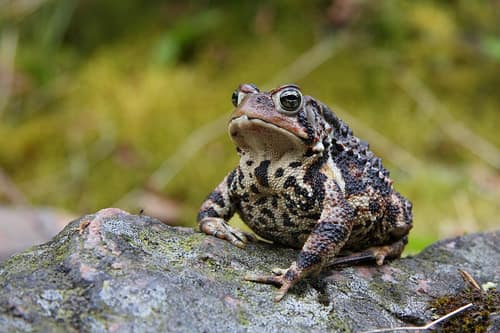
Predator Cephas / CC BY-SA 3.0 · cc-by-sa Image unavailable
Co-occurring Insect 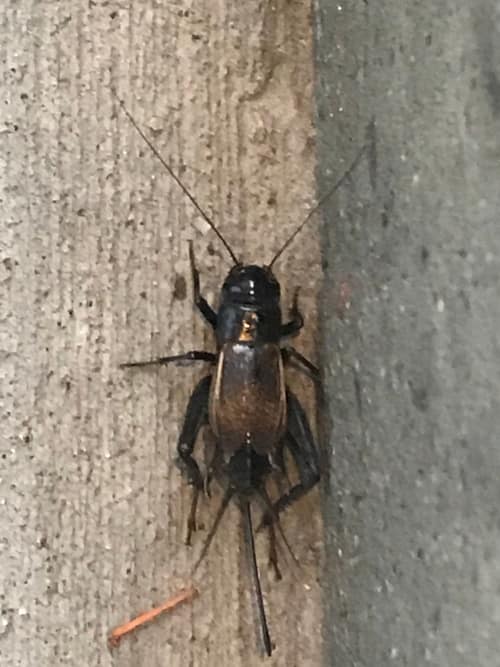
Close Relative (c) Declan McCabe, some rights reserved (CC BY), uploaded by Declan McCabe · cc-by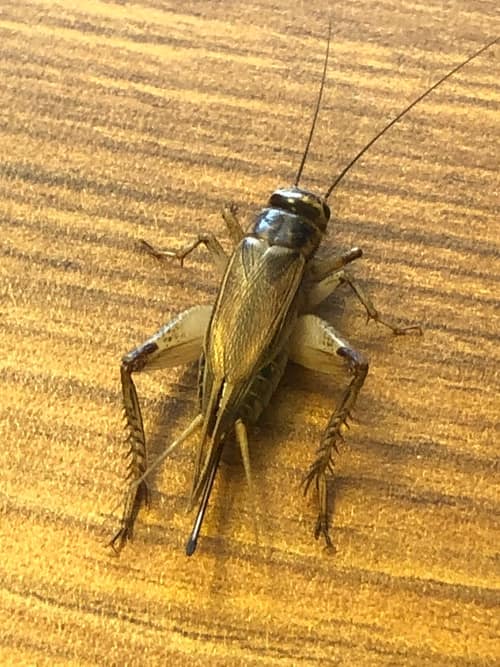
Family Member (c) Scott Lewis, some rights reserved (CC BY-SA), uploaded by Scott Lewis · cc-by-sa
Help improve the field guideSomething wrong?
Checking your Fauna account…Report a name, category, or profile issue for review.