
Insect · GBIF taxon 1714599
Eastern Lubber Grasshopper
Romalea micropteraAlso known as Florida Lubber, Georgia Thumper
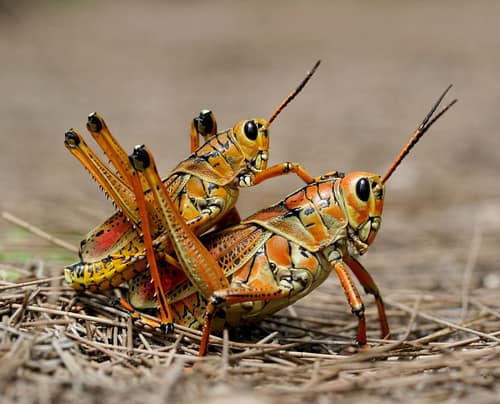
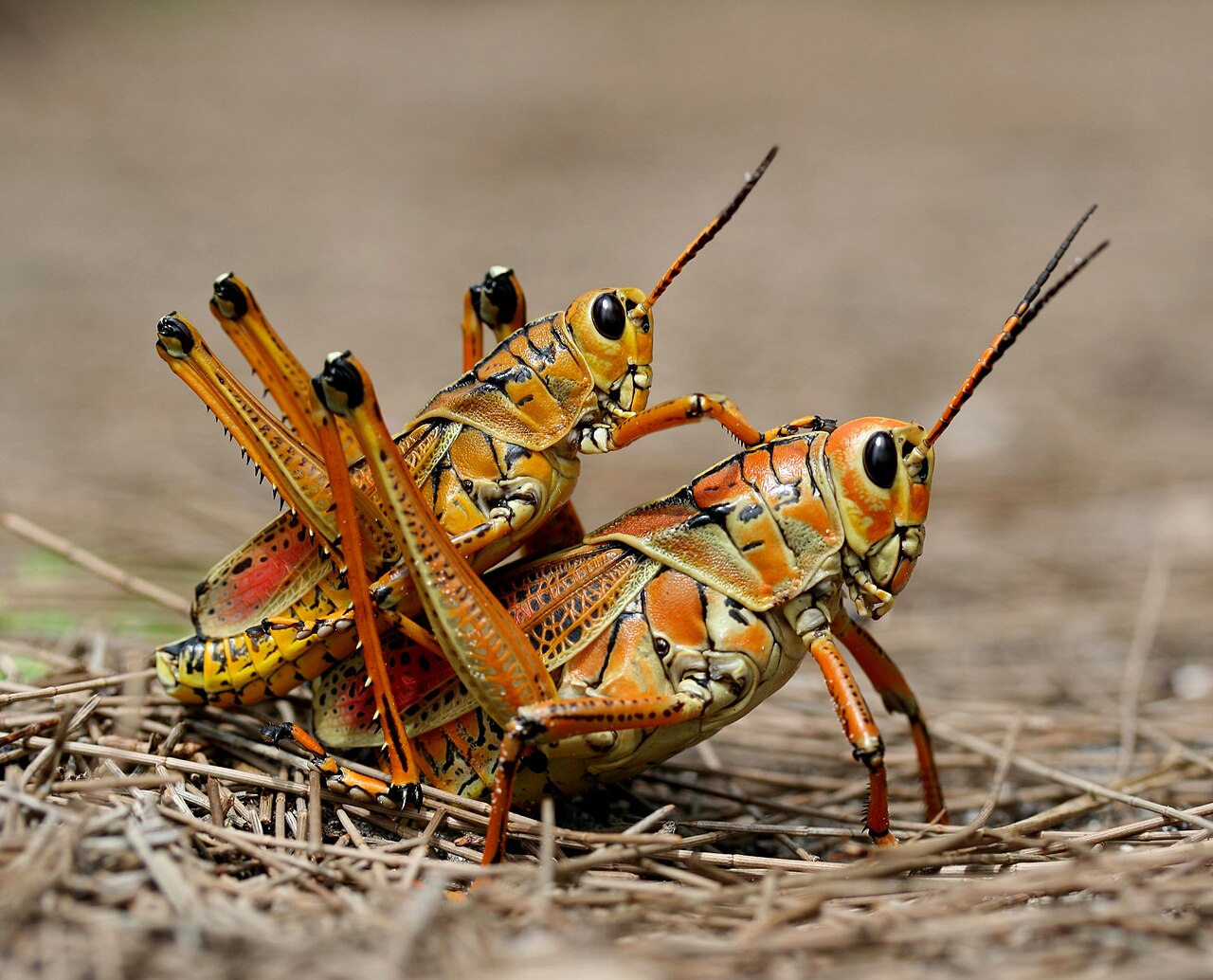
The Eastern Lubber Grasshopper is a large heavy-bodied grasshopper with short wings and variable black, yellow, orange, or red warning patterns. When threatened it can hiss, spread its wings, and release a foul foamy secretion containing defensive chemicals.
Flightless GrasshopperWarning ColorationChemical Defense
—observations
—countries
—peak records
Not EvaluatedConservation statusIUCN Red List categoriesLCNTVUENCREWEXNot Evaluated — not placed on the risk ladderRed List categories, explained →
Diet & prey
- Leaves of many broadleaf plants, including amaryllis relatives, legumes, vegetables, and ornamental plants
Predators
- Tachinid flies
- Red imported fire ants
- Loggerhead Shrikes
ThreatsBroad-spectrum insecticides, road traffic, mowing, drainage of wet ground, and loss of weedy vegetation
HabitatsMarsh edges, wet meadows, open pine woods, roadsides, gardens, and disturbed ground in the southeastern United States
Life spanOne generation usually completes within a year, with adults present for several months
Size / weightNot available
Classification
- OrderOrthoptera
- FamilyRomaleidae
- GenusRomalea
- SpeciesRomalea microptera
Range data is not available yet.
Interaction riskHigh
- Low
- Moderate
- High
- Very high
- Why interaction risk is high
- Defensive secretions can irritate eyes, and swallowing a lubber may poison pets or other animals.
- Why it is dangerous
- A threatened lubber releases distasteful defensive compounds that can irritate sensitive tissues and sicken an animal that swallows it.
- How to recognize a risky encounter
- Look for a very large slow-moving grasshopper with short wings and bold black, yellow, orange, or red markings.
- What to do
- Do not pick it up or crush it; keep pets away and rinse exposed eyes or skin with clean water.
Responsible observation
- Color: Expect substantial variation, but note the heavy body and very short wings.
- Defense: Step back if it hisses or produces foam, and avoid touching your face.
- Pets: Prevent dogs, cats, and children from mouthing the insect.
Keep collecting in Fauna
Found in Collections
Ecosystem chain Pro
Mystic Meadows
Eastern Lubber Grasshopper is found in this collection. Identify it in Fauna to fill this slot and continue your progress.
Unlock to track progress
Help improve the field guideSomething wrong?
Checking your Fauna account…Report a name, category, or profile issue for review.