
Insect · GBIF taxon 1708512
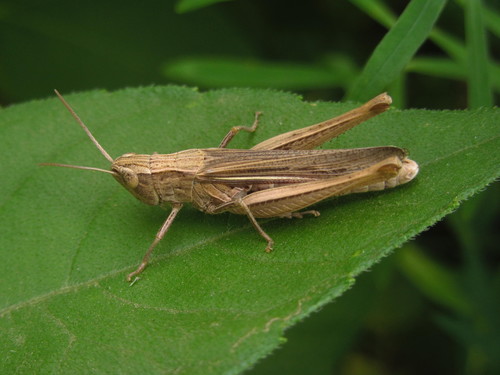
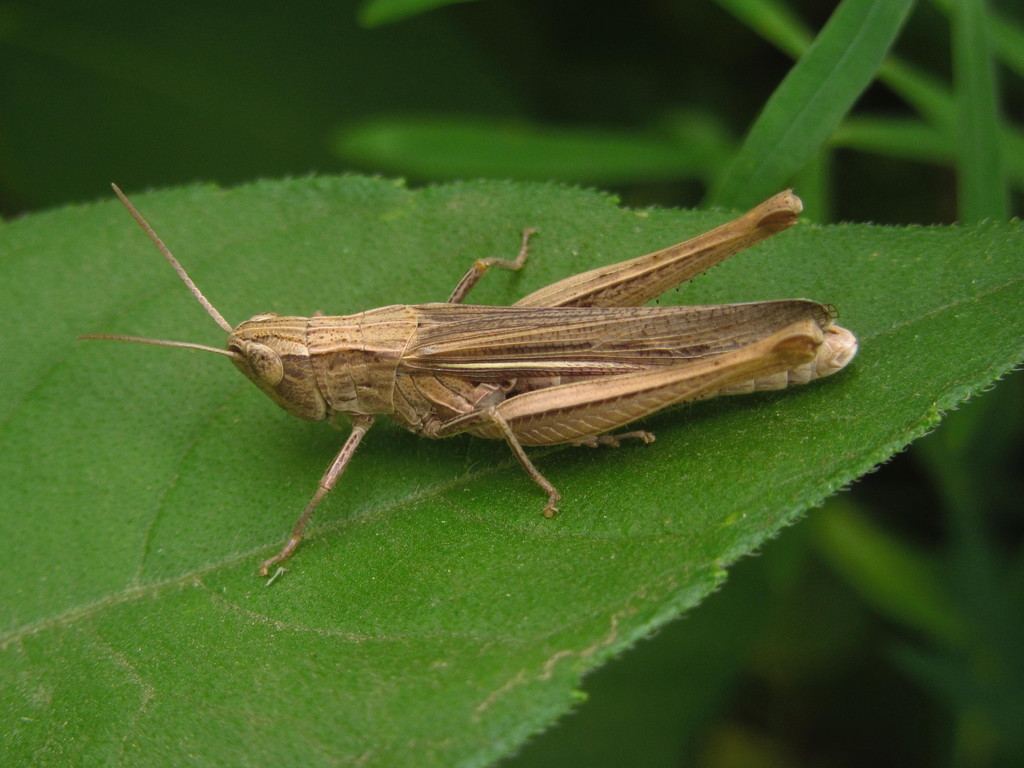
Steppe Grasshopper
Chorthippus dorsatusAlso known as Hay Grasshopper
Steppe grasshoppers thrive in open meadows, damp grasslands, and unplowed steppes across Eurasia, relying on their mottled greenish-brown bodies for camouflage. Males court potential mates during warm afternoons by stridulating, rubbing specialized pegs on their hind legs against front wing veins to emit a rhythmic chattering sound. Females deposit egg pods beneath the soil surface in late summer, where the eggs overwinter before hatching the following spring.
GrasslandHerbivoreAcoustic
 1 / 7
1 / 7—observations
—countries
—peak records
Least ConcernConservation statusIUCN Red List categoriesLCNTVUENCREWEXLeast ConcernRed List categories, explained →
Diet & prey
- Grasses
- Sedges
- Herbaceous plants
Predators
- Insectivorous birds
- Wolf spiders
- Small mammals
ThreatsIntensive agricultural land conversion and heavy pesticide use
HabitatsSteppes, damp meadows, pastures, and grassy roadside margins
Life span1 year (single annual generation)
Classification
- FamilyAcrididae
- SpeciesChorthippus dorsatus
Range data is not available yet.
Interaction riskLow
- Low
- Moderate
- High
- Very high
- Why interaction risk is low
- Safe to observe at a normal distance.
Responsible observation
- Listen for Calls: Track males in sunny weather when their stridulation songs are most active.
- Approach Gently: Move slowly through tall grass to avoid startling them into deep cover.
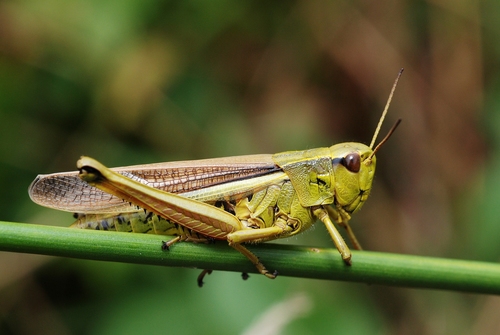
Habitat Companion (c) Gilles San Martin, some rights reserved (CC BY-SA), uploaded by Gilles San Martin · cc-by-sa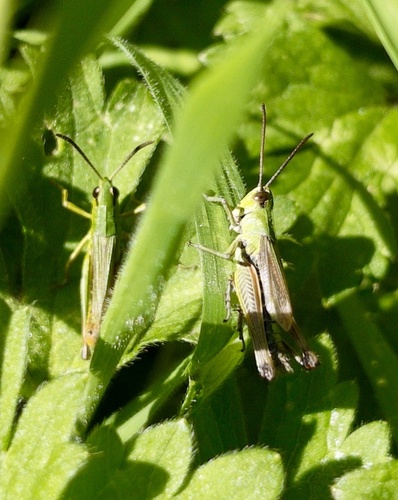
Close Relative (c) Kieran Roy Powell, some rights reserved (CC BY) · cc-by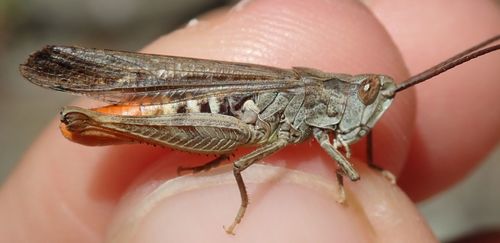
Close Relative (c) Benoit NABHOLZ, some rights reserved (CC BY-SA), uploaded by Benoit NABHOLZ · cc-by-sa
Help improve the field guideSomething wrong?
Checking your Fauna account…Report a name, category, or profile issue for review.