
Insect · GBIF taxon 1707057
Great Crested Grasshopper
Tropidolophus formosusAlso known as Crested Grasshopper, High-crested Grasshopper
Great crested grasshoppers stand out among North American orthopterans with an immense, razorback pronotal crest that resembles a serrated green sail or leaf. When flushed from arid scrub or gravelly roadsides, they flash vibrant orange-red hindwings and produce a faint fluttering crackle before dropping swiftly back into cover. Adults spend hot days climbing stiff stems of desert globemallow and evening primrose, relying on remarkable camouflage to blend seamlessly into dense foliage.
DiurnalHerbivoreDesert
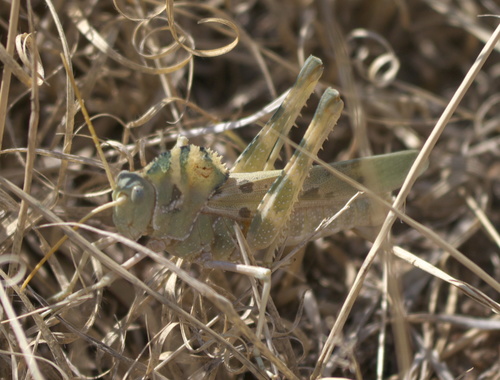
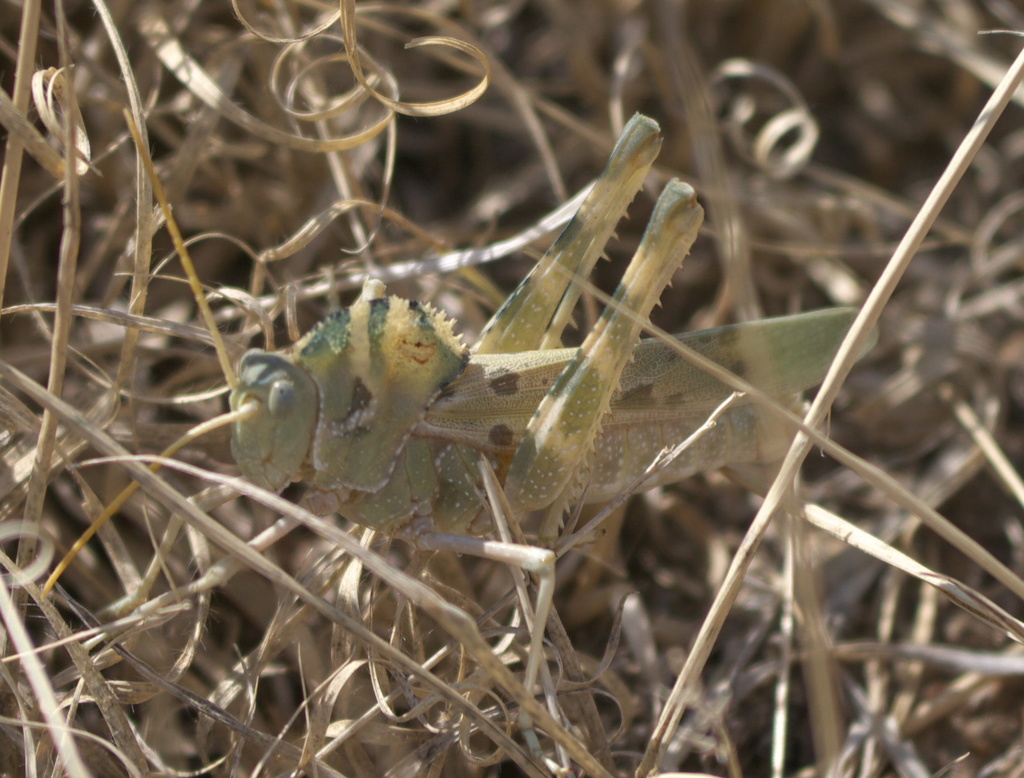
—observations
—countries
—peak records
Not EvaluatedConservation statusIUCN Red List categoriesLCNTVUENCREWEXNot Evaluated — not placed on the risk ladderRed List categories, explained →
Diet & prey
- Globemallow foliage
- Evening primrose
- Desert herbs
Predators
- Greater Roadrunner
- Loggerhead Shrike
- Northern Grasshopper Mouse
ThreatsPesticide application, overgrazing, and severe drought
HabitatsArid grasslands, desert scrub, and shortgrass prairie
Life span2–3 months as adult (single annual generation)
Classification
- FamilyAcrididae
- SpeciesTropidolophus formosus
Range data is not available yet.
Interaction riskLow
- Low
- Moderate
- High
- Very high
- Why interaction risk is low
- Safe to observe at a normal distance.
Responsible observation
- Approaching: Walk slowly along sunny desert margins and watch for sudden fluttering bursts of red hindwings.
- Basking Habits: Scan low-growing globemallow stems during early morning hours when adults warm themselves in direct sunlight.
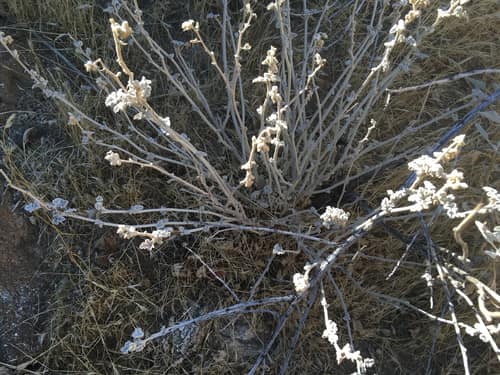
Host Plant (c) W. Terry Hunefeld, some rights reserved (CC BY), uploaded by W. Terry Hunefeld · cc-by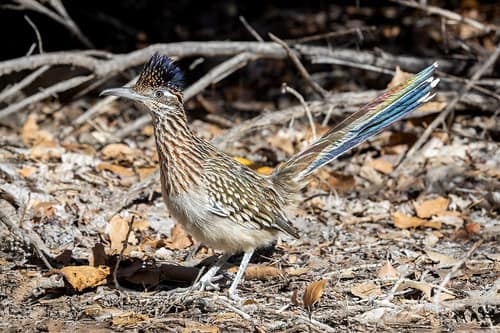
Predator Polinova / CC BY-SA 4.0 · cc-by-sa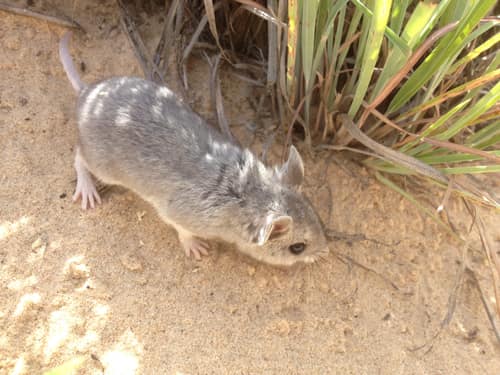
Predator (c) Logan Ediger, some rights reserved (CC BY), uploaded by Logan Ediger · cc-by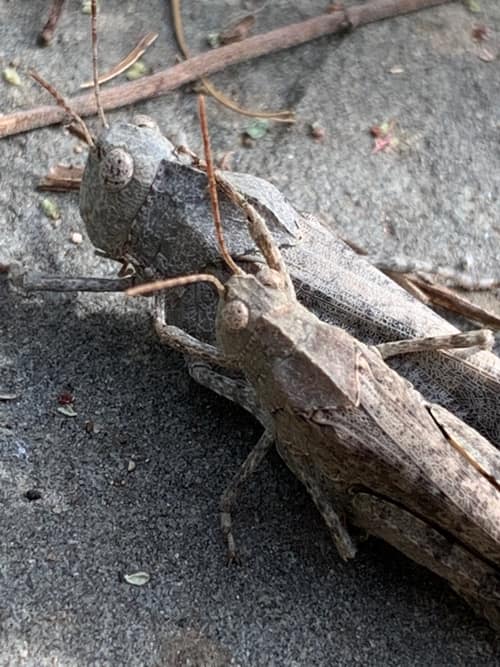
Same Family (c) Healthy Yards, some rights reserved (CC BY), uploaded by Healthy Yards · cc-by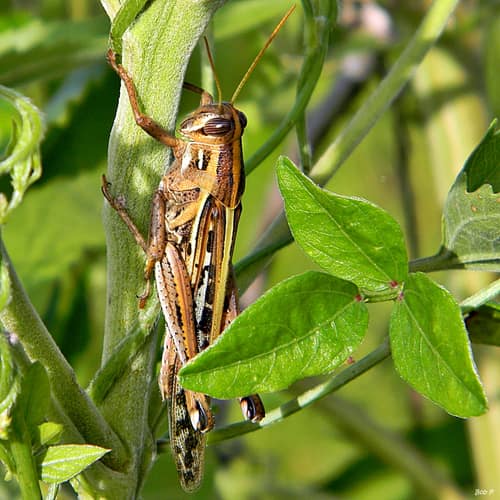
Same Family Bob Peterson from North Palm Beach, Florida, Planet Earth! / CC BY-SA 2.0 · cc-by-sa
Help improve the field guideSomething wrong?
Checking your Fauna account…Report a name, category, or profile issue for review.