
Insect · GBIF taxon 1699194
Migratory Grasshopper
Melanoplus sanguinipesAlso known as Lesser Migratory Grasshopper, Red-legged Grasshopper
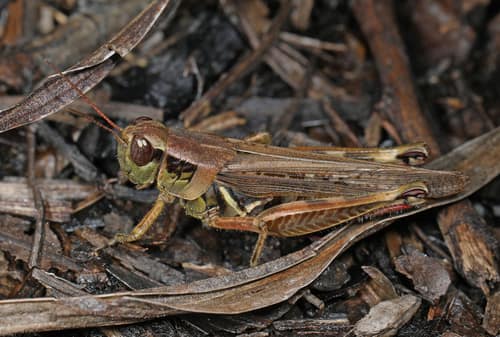
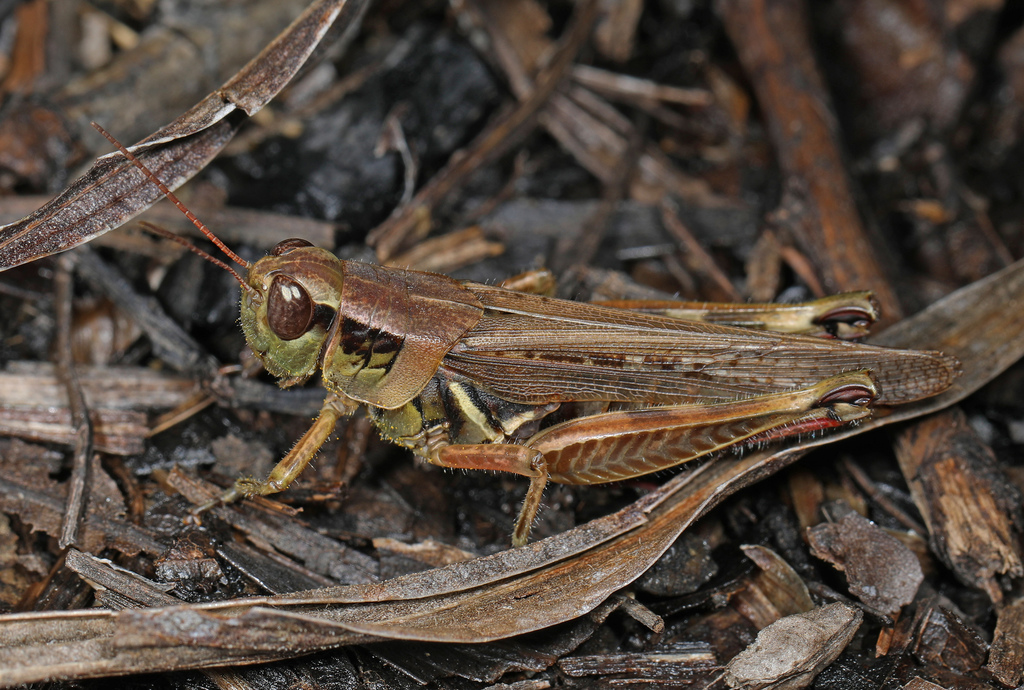
Migratory grasshoppers are highly adaptable herbivores capable of forming extensive, localized aggregations when population density spikes. Adults undertake sustained low-altitude flights spanning dozens of kilometers to seek out fresh forage across rangelands and croplands. Females deposit tough, soil-bound egg pods in late summer that overwinter safely under the snow, ensuring synchronous emergence the following spring.
HerbivoreGrasshopperSwarming
 1 / 7
1 / 7—observations
—countries
—peak records
Least ConcernConservation statusIUCN Red List categoriesLCNTVUENCREWEXLeast ConcernRed List categories, explained →
Diet & prey
- Native Grasses
- Alfalfa
- Wheat
Predators
- American Kestrel
- Western Meadowlark
- Robber Fly
ThreatsInsecticide spraying, tilling of soil, and fungal entomopathogens
HabitatsGrasslands, prairie meadows, pastures, and agricultural fields
Life span3–5 months (adult stage); 1 year total life cycle
Size / weightNot available
Classification
- FamilyAcrididae
- SpeciesMelanoplus sanguinipes
Range data is not available yet.
Interaction riskLow
- Low
- Moderate
- High
- Very high
- Why interaction risk is low
- Safe to observe at a normal distance.
Responsible observation
- Spotting: Walk slowly through sunny grasslands during midsummer to flush adults into short hops.
- Identification: Examine the hind tibia, which are frequently vibrant red or bluish-green.
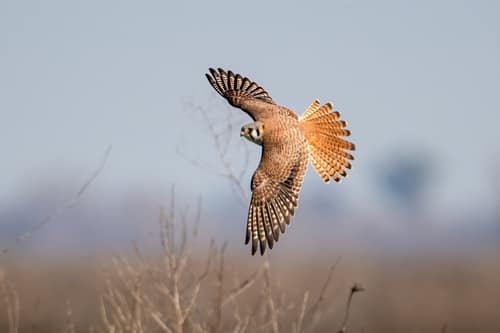
Predator (c) Jonathan Eisen, some rights reserved (CC BY), uploaded by Jonathan Eisen · cc-by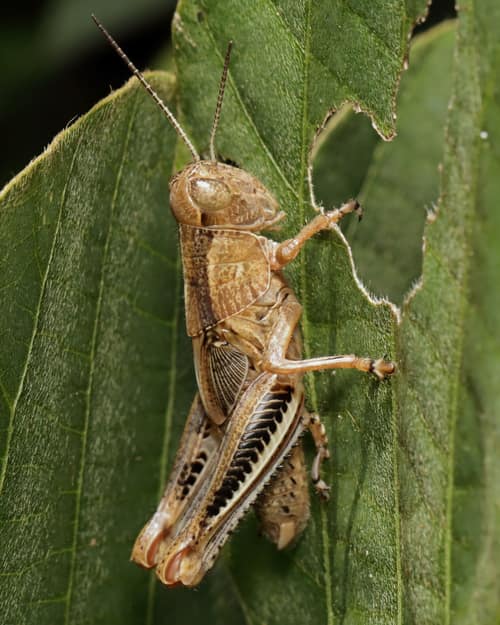
Close Relative no rights reserved, uploaded by Dennis White · cc0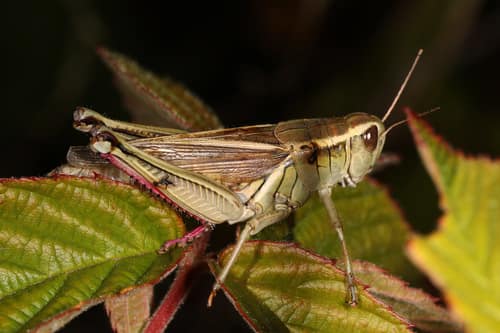
Close Relative "Two-striped Grasshopper - Melanoplus bivittata, Acadia National Park, Bar Harbor, Maine" by Judy Gallagher is licensed under CC BY 2.0. To view a copy of this license, visit https://creativecommons.org/licenses/by/2.0/. · cc-by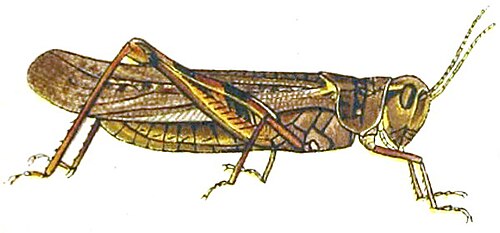
Extinct Relative Julius Bien / Public domain · cc0
Help improve the field guideSomething wrong?
Checking your Fauna account…Report a name, category, or profile issue for review.