
Insect · GBIF taxon 1699044
Differential Grasshopper
Melanoplus differentialisAlso known as Differential Locust
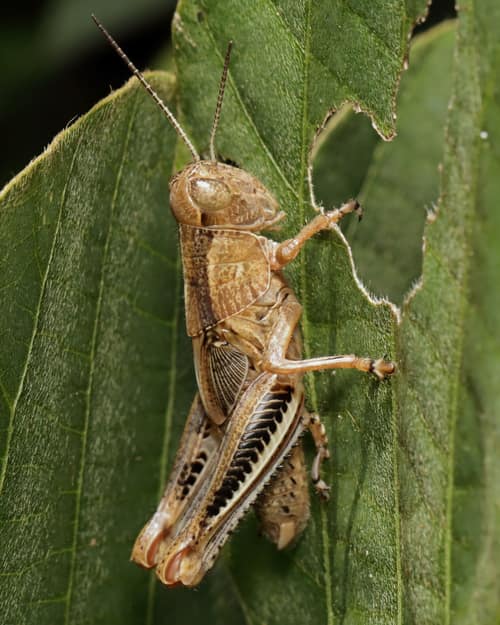
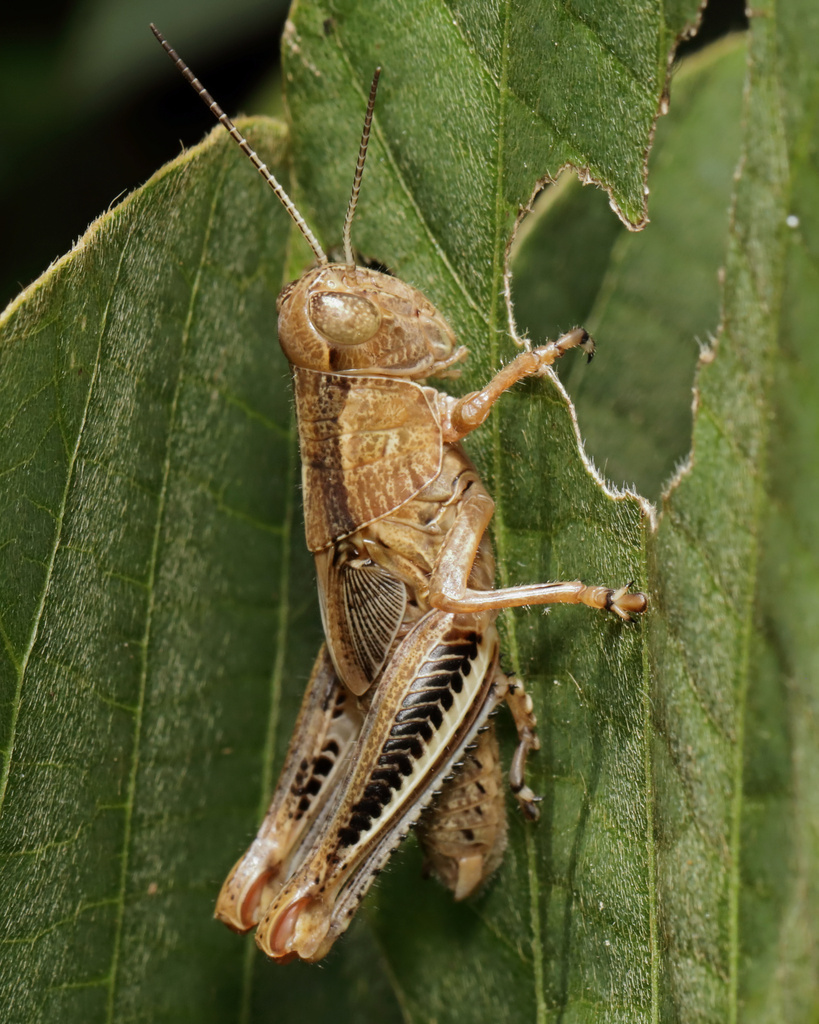
Differential Grasshoppers are large olive, brown, or yellowish insects marked by bold black chevrons on the hind femora. They thrive in weedy field margins and cropland, where dense late-summer populations can consume substantial vegetation.
hind-leg chevronsfield grasshoppercrop feeder
—observations
—countries
—peak records
Not EvaluatedConservation statusIUCN Red List categoriesLCNTVUENCREWEXNot Evaluated — not placed on the risk ladderRed List categories, explained →
Diet & prey
- Grasses, broadleaf weeds, garden plants, and agricultural crops including corn and small grains
Predators
- insect-eating birds
- small mammals
- robber flies
ThreatsBroad-spectrum insecticides, severe drought, prolonged flooding, and removal of uncultivated field edges
HabitatsGrassland, field margins, roadsides, vacant lots, gardens, and cropland across central North America
Life spanOne year, with eggs overwintering in soil and adults appearing during the warm season
Size / weightNot available
Classification
- OrderOrthoptera
- FamilyAcrididae
- GenusMelanoplus
- SpeciesMelanoplus differentialis
Range data is not available yet.
Interaction riskLow
- Low
- Moderate
- High
- Very high
- Why interaction risk is low
- Dense populations can damage crops, but pesticide responses should avoid unnecessary harm to other field insects.
Responsible observation
- Identify: Check the enlarged hind femur for repeated black V-shaped markings.
- Observe: Approach slowly in warm sunlight and watch the short flight before marking its landing point.
Keep collecting in Fauna
Found in Collections
Ecosystem chain Pro
Mystic Meadows
Differential Grasshopper is found in this collection. Identify it in Fauna to fill this slot and continue your progress.
Unlock to track progress
Help improve the field guideSomething wrong?
Checking your Fauna account…Report a name, category, or profile issue for review.